Drought-tolerant annual flowers after establishment still need a water plan

Drought Tolerant Annuals

Drought tolerant annuals can reduce supplemental watering after they are established, but the label does not mean a new transplant can be ignored. The useful shortlist starts with the actual site: sun exposure, drainage, climate, available space, and how much establishment care you can provide. Plants such as rose moss, globe amaranth, gazania, spider flower,
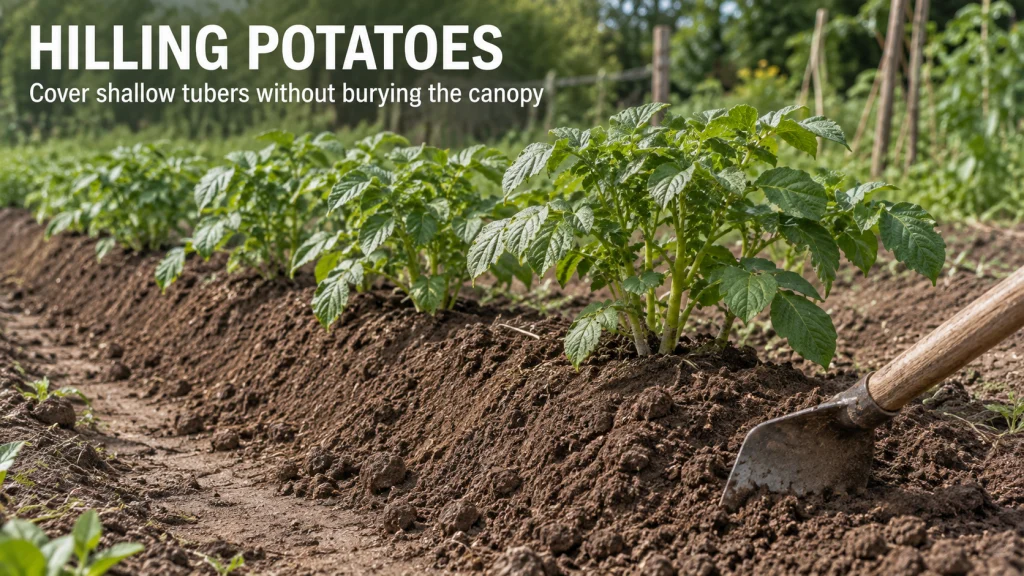
The mound protects more than it looks: hilling potatoes

Hilling Potatoes

Hilling potatoes is mainly a coverage job: keep shallow developing tubers protected from light while leaving enough active foliage above the soil to keep the plant working. A useful first cue is established stem growth, then later passes should depend on whether the ridge has settled, washed down, or allowed tubers to approach the surface.

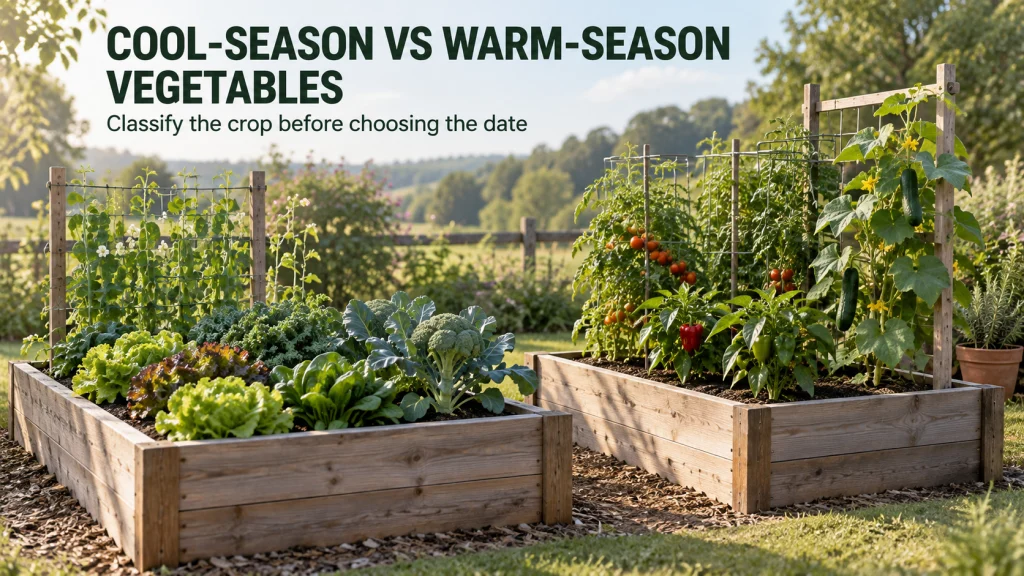
Cool-season vs warm-season vegetables before the calendar

Cool Season Vs Warm Season Vegetables

Cool-season and warm-season vegetables belong in different parts of a garden plan because they respond differently to cold, heat, and frost risk. Cool-season crops can use colder parts of the growing year, while warm-season crops need the frost risk to pass and enough warmth for active growth. That classification helps place crops on a planting

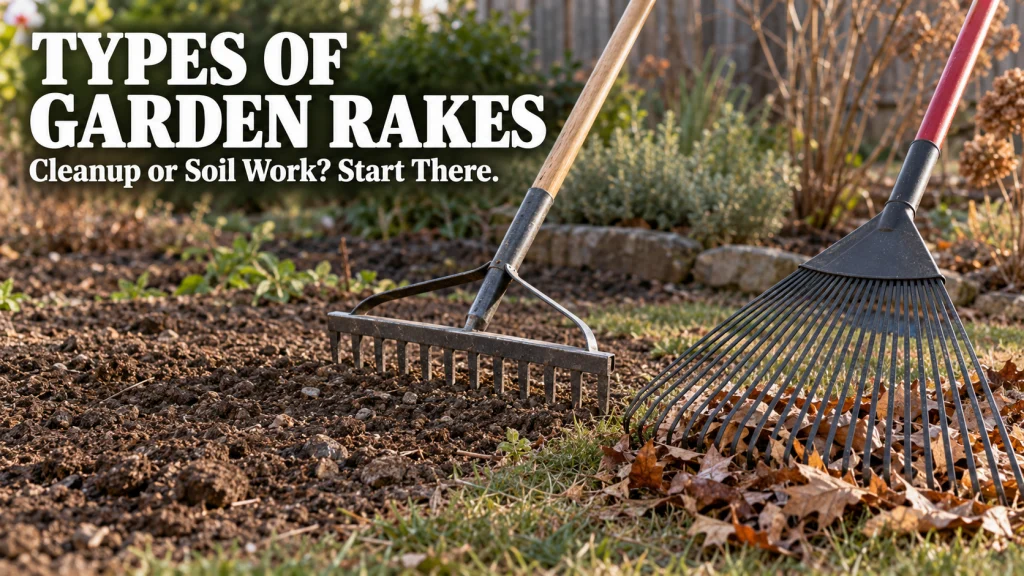
Types of garden rakes: split cleanup from ground-working jobs

Types Of Garden Rakes

The useful way to sort garden rakes is by what the head must do against the surface. Flexible heads are better suited to gathering light debris without aggressively digging into the ground, while rigid heads are built to move, level, or break up loose soil and heavier material. Head width, access, tine material, handle fit,

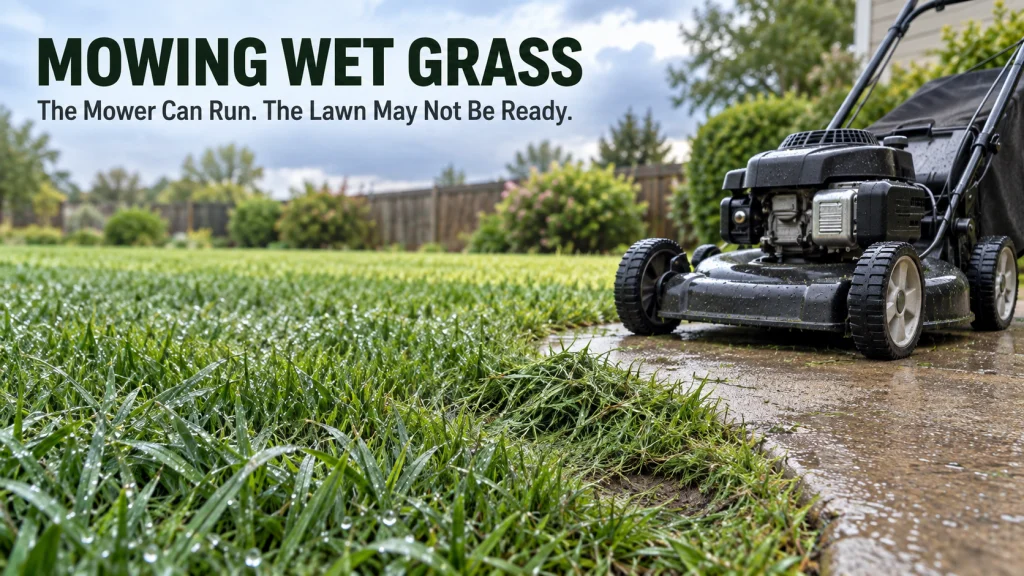
Mowing wet grass: the problem is more than an ugly cut

Mowing Wet Grass

Mowing wet grass is usually a poor trade when the blades are wet enough to clump, the soil is soft enough to rut, or the surface is slick enough to reduce traction. The mower may run normally while the lawn itself is not ready for traffic or a clean cut. Instead of using a fixed

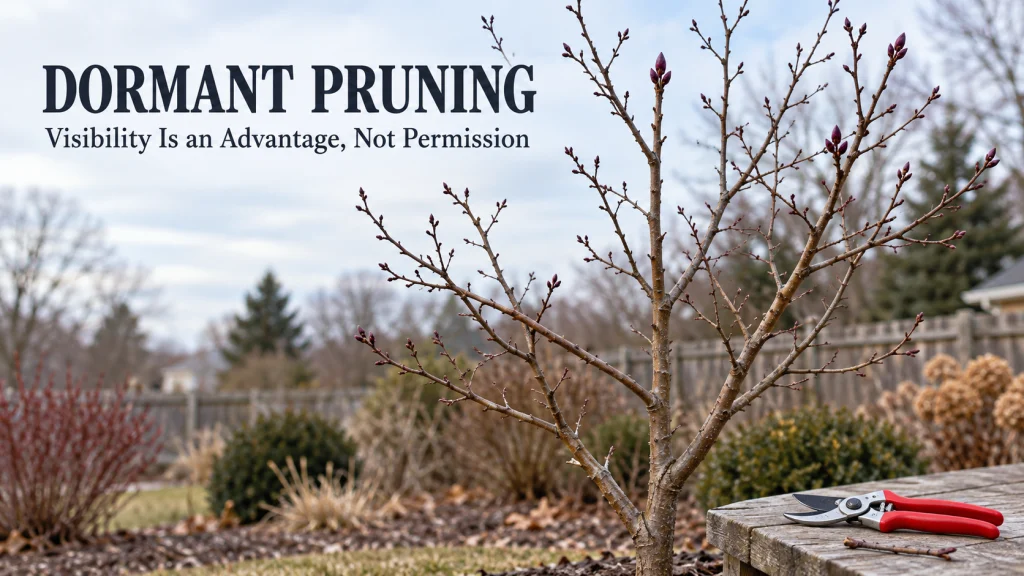
Dormant pruning: what winter visibility helps you see, and what it does not

Dormant Pruning

Dormant pruning can make the structure of deciduous trees and shrubs easier to judge because leaves are out of the way, but visibility alone does not make every winter cut a good cut. The useful decision is to separate branches that clearly need attention from plants whose flowering cycle, regional disease risk, cold conditions, or

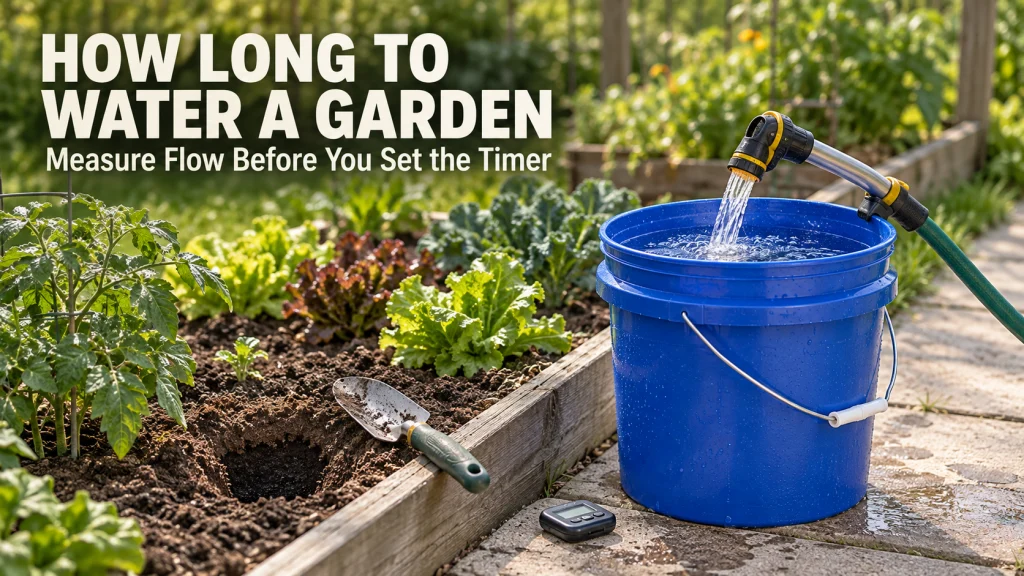
How long to water a garden when every hose delivers a different flow

How Long To Water Garden

Watering time only becomes useful after you know how much water the garden needs and how quickly your setup delivers it. A hose that runs for the same number of minutes can deliver a very different volume after changes in pressure, nozzle setting, hose length, or outlet restriction. Measure flow with the setup you actually

How to read a soil test without chasing the scariest number

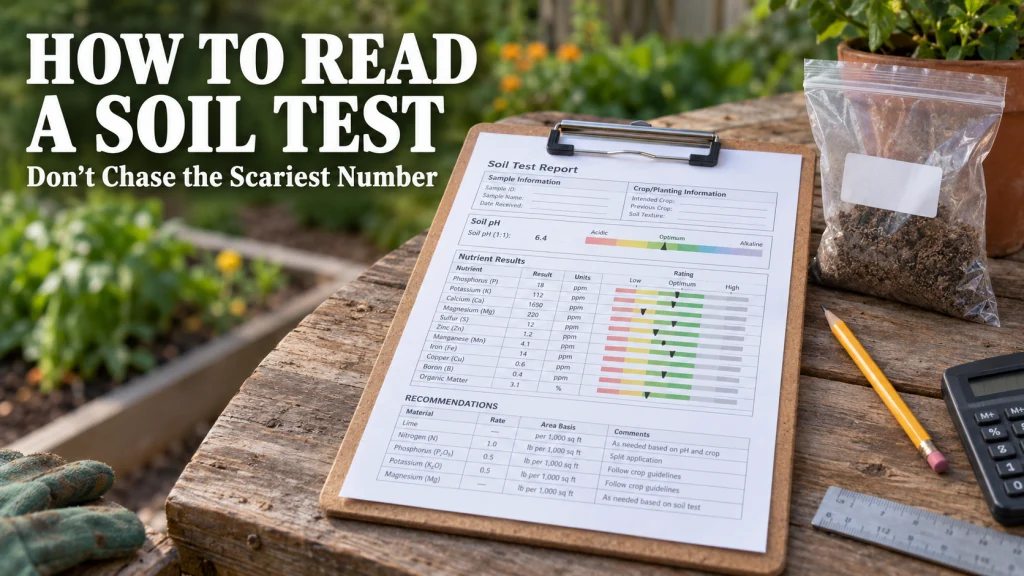
How To Read A Soil Test

A soil test report is useful only when its numbers stay attached to the laboratory method, rating scale, units, crop or planting type, and recommendation framework that produced them. A practical reading order is to identify those report details first, read soil pH before amendment guidance, interpret nutrient ratings on the laboratory’s own scale, and

Seed starting mix: Give germination what it needs, not a full-season soil recipe

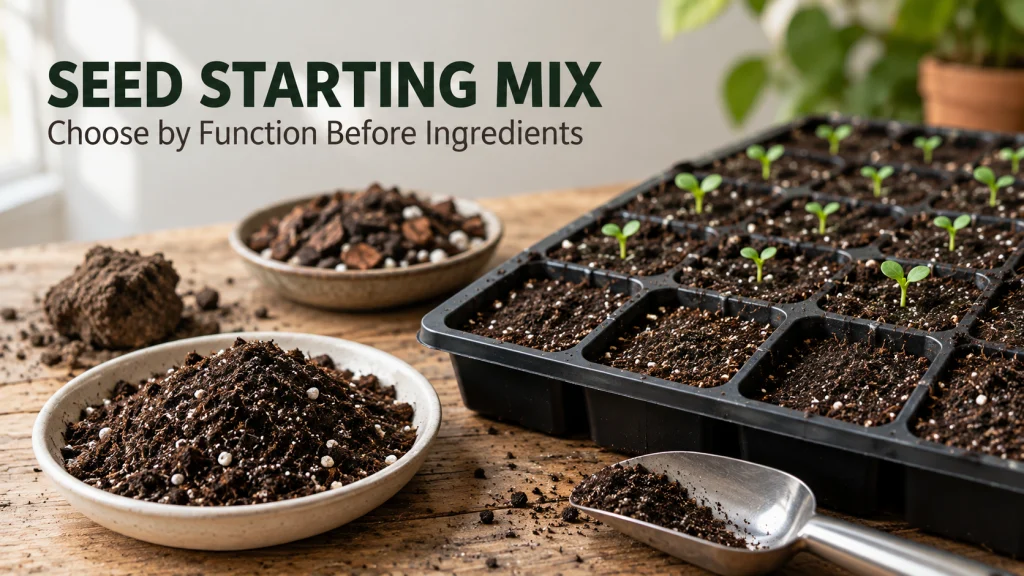
Seed Starting Mix

A useful seed starting mix is chosen for the work it has to do in a tray or cell: hold enough moisture for germination, drain excess water, preserve air space around new roots, and stay physically consistent enough for small seeds. Garden soil is usually a poor fit for that job in small containers because

What size raised bed do I need? Size reach, root depth and soil bill together

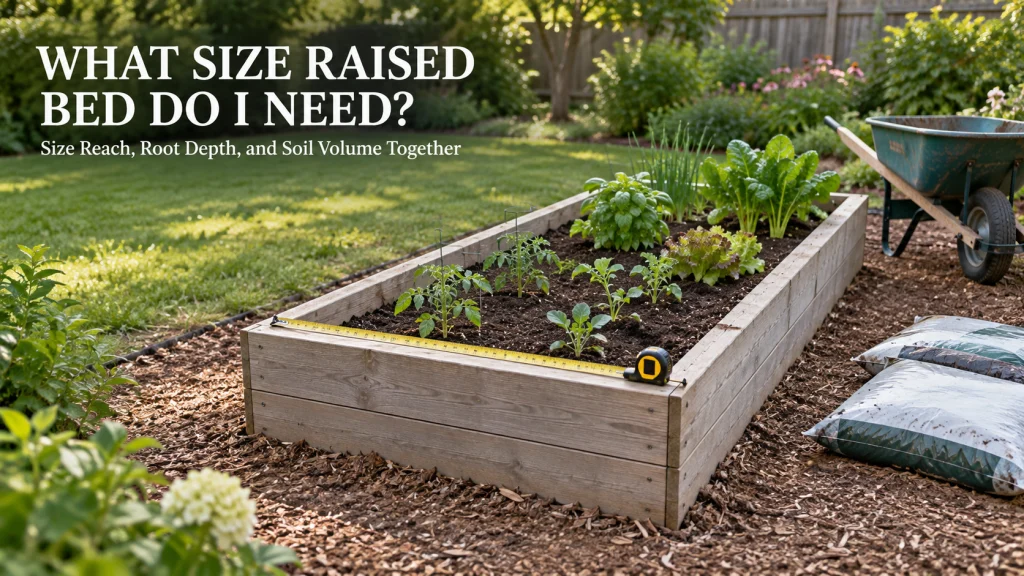
What Size Raised Bed Do I Need

A useful raised bed size is not just a footprint such as 4 by 8 feet. Width should come from how many sides you can reach, length should fit the site and work route, and wall height should be separated from the total rootable depth available to plants. Beds on usable soil can let roots

Heat tolerant annuals for the part of summer that breaks the plan

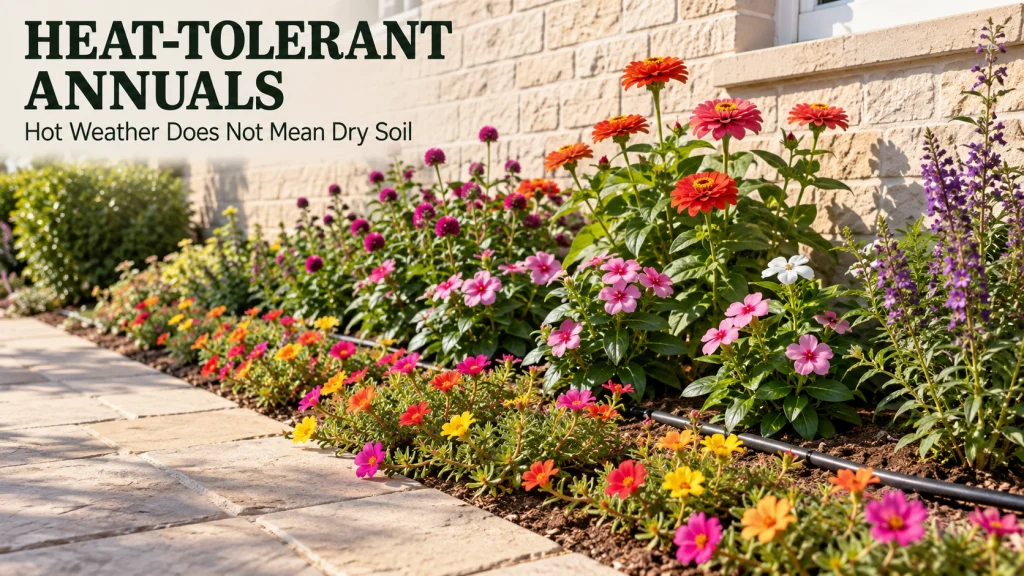
Heat Tolerant Annuals

Heat tolerant annuals are useful when summer warmth becomes the main reason a flower bed loses momentum, but heat tolerance is not the same as drought tolerance. The right shortlist starts with the actual site, especially sun intensity, soil drainage, available moisture, local summer conditions, mature plant habit, and the amount of grooming you want

When to pick zucchini before bigger becomes worse

When To Pick Zucchini

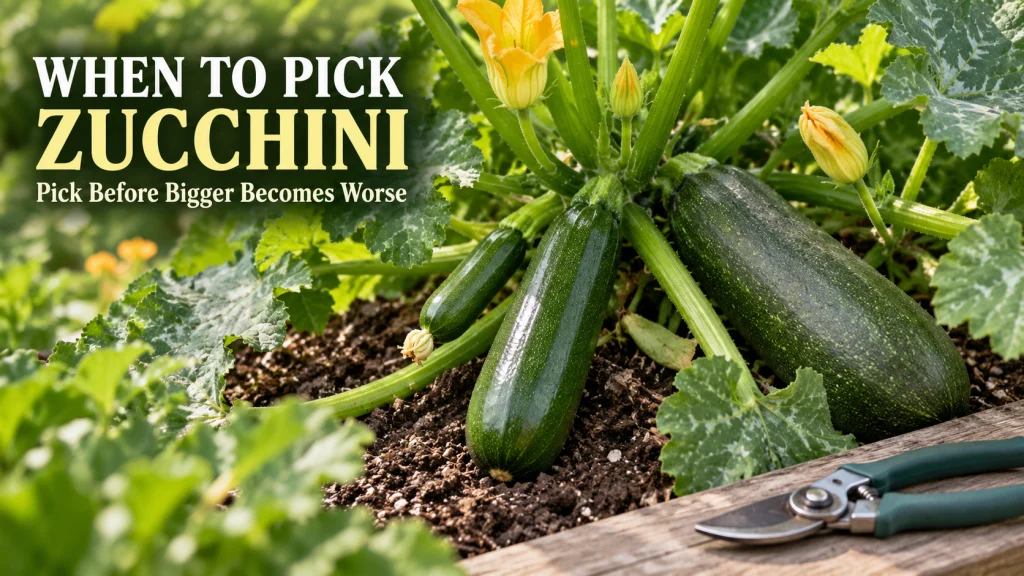
Zucchini is usually best harvested for eating quality before the fruit reaches its maximum possible size. For many common elongated types, a medium fruit is a useful starting target, but skin texture, seed development, cultivar, and the way you plan to use it matter more than one universal length. Once a plant starts producing heavily,

How big should my vegetable garden be? Size the workload first

How Big Should My Vegetable Garden Be

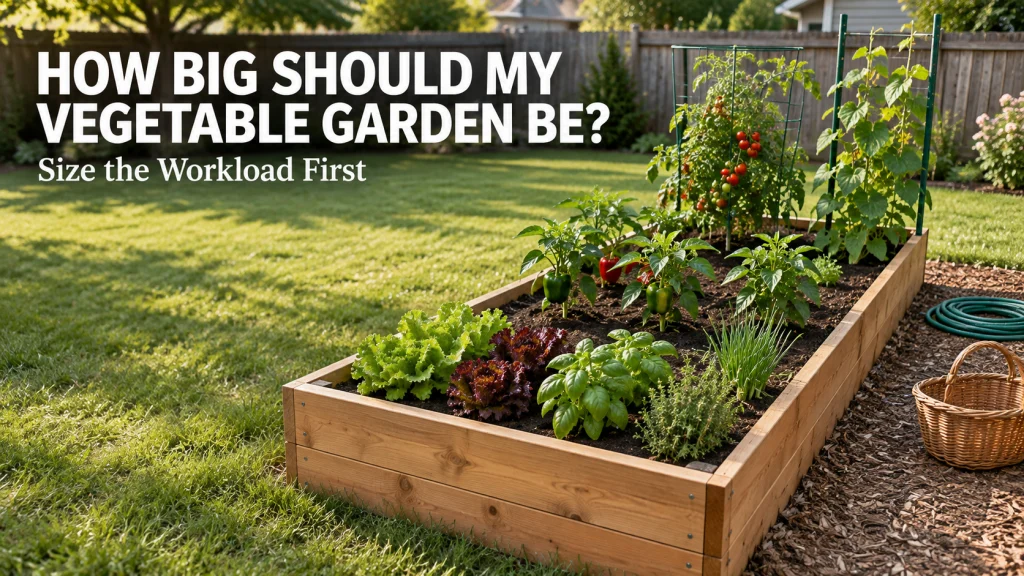
A vegetable garden should be sized around the work you can repeat, the crops you actually want to grow, and the access space needed to care for them. A modest first garden can be more productive and easier to learn from than a larger plot that becomes difficult to weed, water, support, and harvest. Crop

Weeding tools should match the root, not the weed label

Weeding Tools

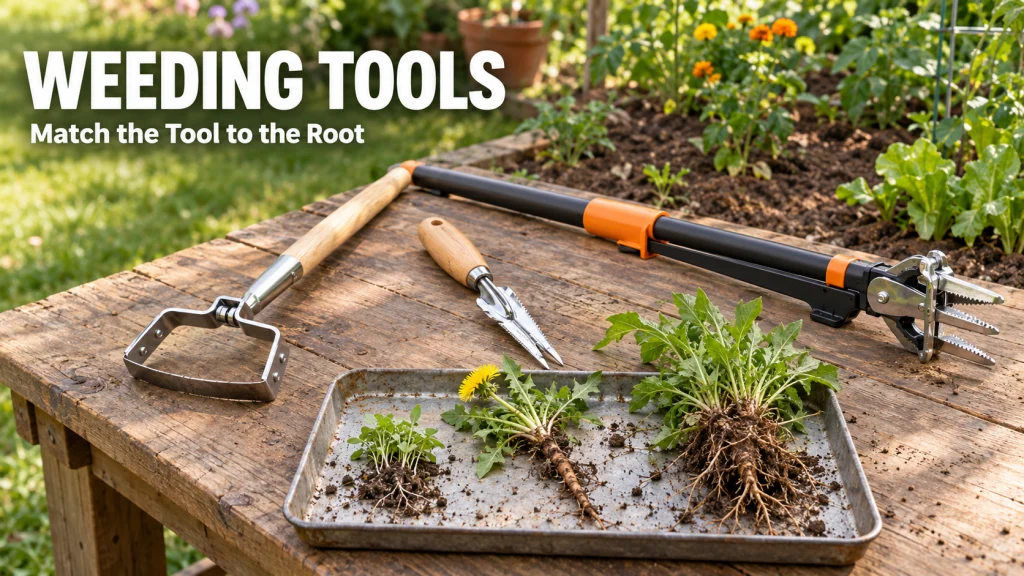
Weeding tools work best when the tool motion matches the weed in front of you, not when one tool is expected to handle every weed in the yard. Tiny seedlings usually call for shallow slicing, individual deep roots call for controlled extraction, and established crowns may need careful loosening or digging before they can be

How often to mow a lawn when growth refuses to follow a weekly schedule

How Often To Mow Lawn

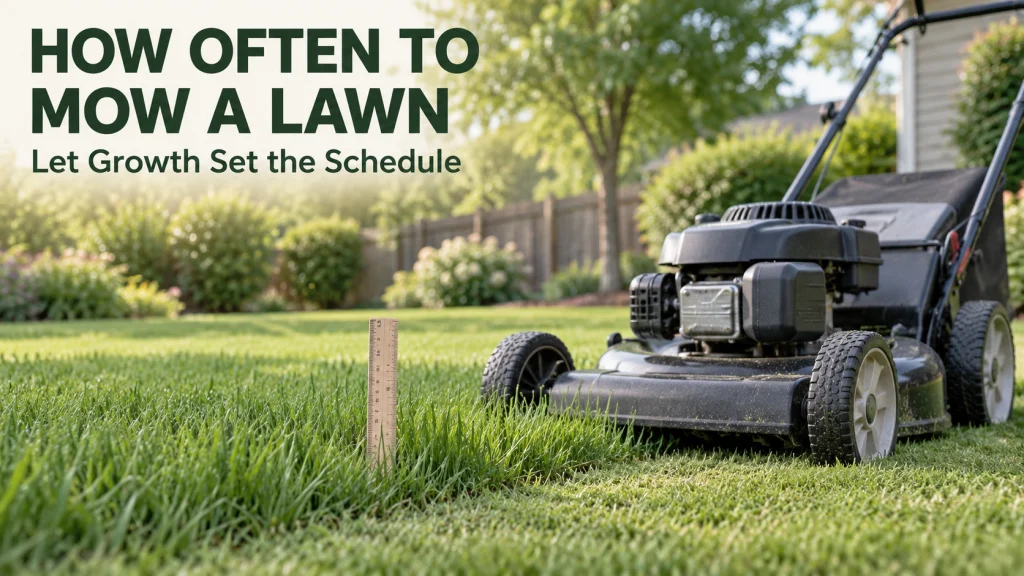
How often a lawn needs mowing is determined by how quickly the grass is growing toward its target height, not by a fixed weekly schedule. The useful trigger is the amount of leaf growth since the last cut, with the one-third rule setting an upper limit on how much to remove at once. Grass type,

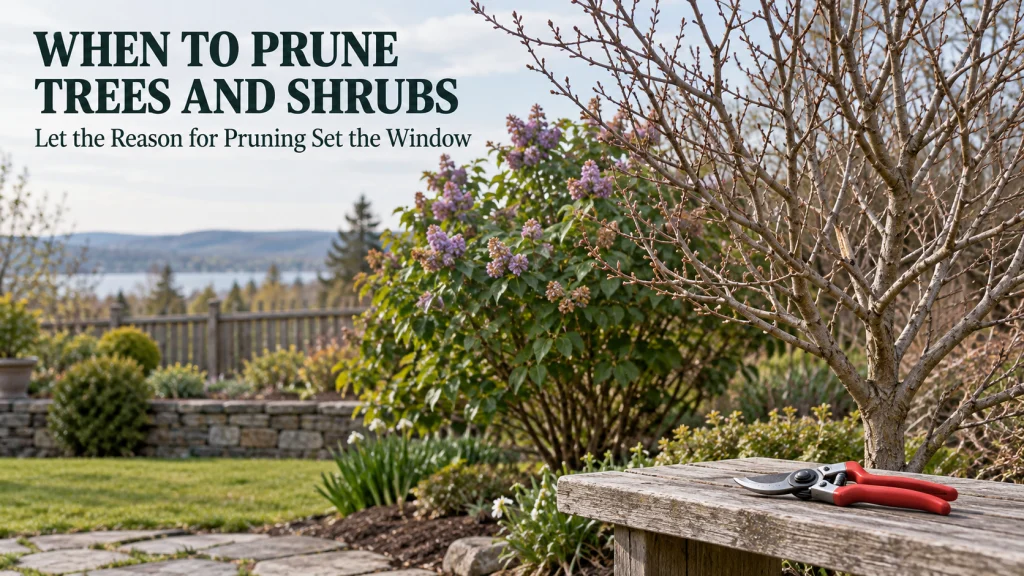
When to prune trees and shrubs: let the reason for pruning set the window

When To Prune Trees And Shrubs

Pruning timing works best when the reason for the cut comes before the season. Dead or broken small wood may need prompt attention, structural pruning often fits a dormant window, and spring-flowering shrubs may lose next season’s display if they are cut at the wrong point in their bloom cycle. Disease pressure, local pest activity,