Choose a hedge trimmer from the hedge, not the motor
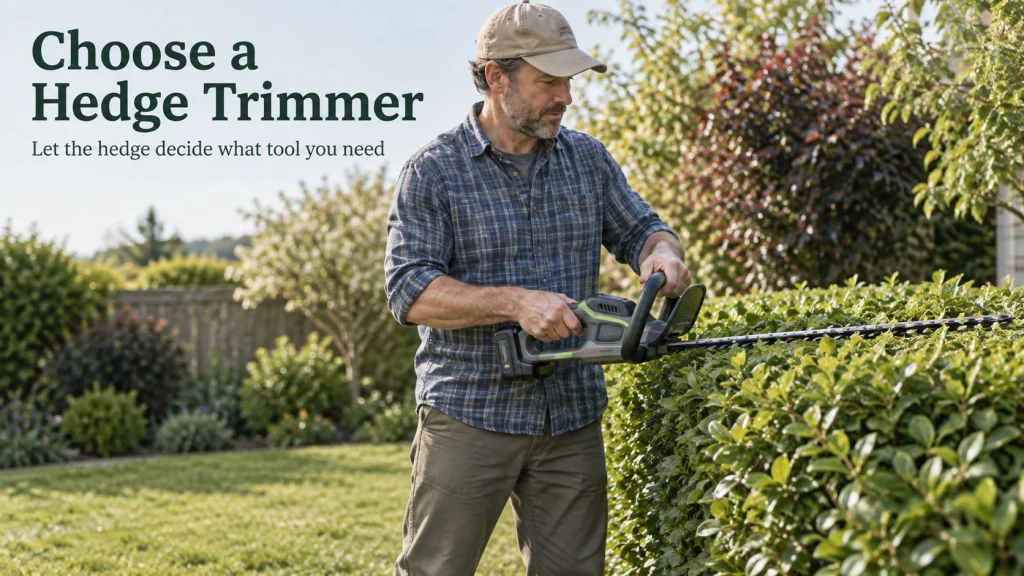
Hedge Trimmer

A hedge trimmer should match the hedge, the access around it, and the amount of trimming you actually do. A short low hedge may be easier to control with hand shears, while a long boundary hedge or a tall face can justify powered equipment for very different reasons. Blade length, reach, power source, and cutting
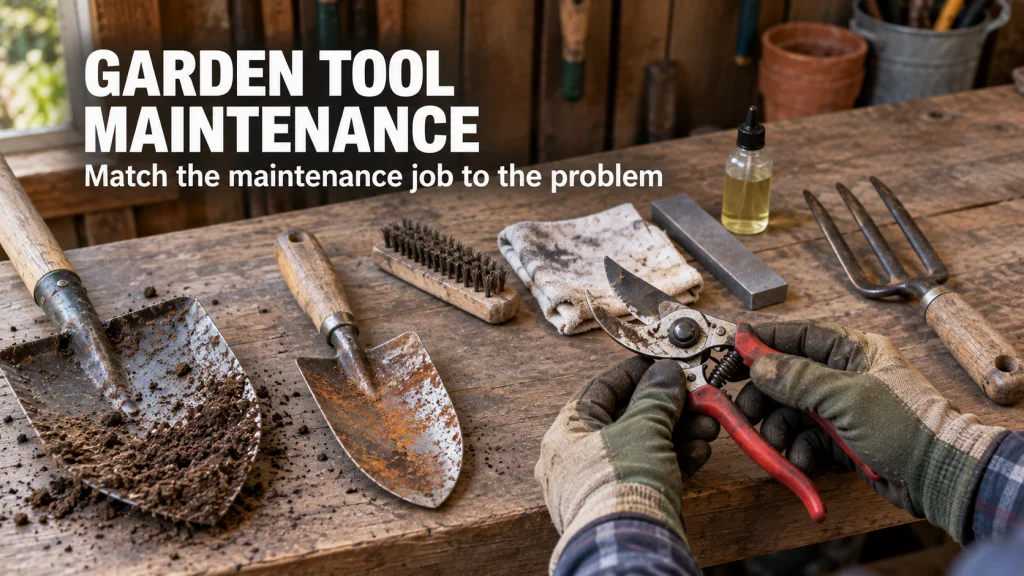

Garden tool maintenance is six different jobs hiding under one label

Garden Tool Maintenance

Garden tool maintenance works better when cleaning, disinfection, sharpening, rust control, handle care, and storage are treated as separate jobs instead of one end-of-season ritual. A tool can be clean but still need disinfection, sharp but still have damaging rust, or dry but poorly supported in storage. The practical sequence is to identify the problem

A wheelbarrow is useful only if it fits the route

Wheelbarrow

A wheelbarrow should be chosen around the route and the recurring load, not around the largest tray number on the label. Narrow gates, tight turns, side slopes, soft ground, unloading height, and storage space can all make a high-capacity hauler harder to use than a smaller one. Start by mapping where the load must travel,

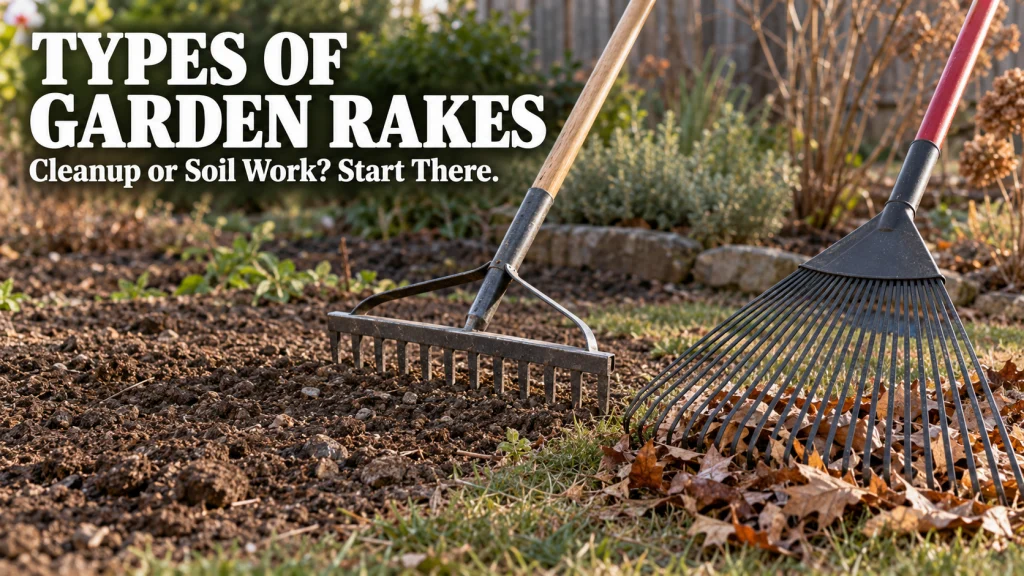
Types of garden rakes: split cleanup from ground-working jobs

Types Of Garden Rakes

The useful way to sort garden rakes is by what the head must do against the surface. Flexible heads are better suited to gathering light debris without aggressively digging into the ground, while rigid heads are built to move, level, or break up loose soil and heavier material. Head width, access, tine material, handle fit,

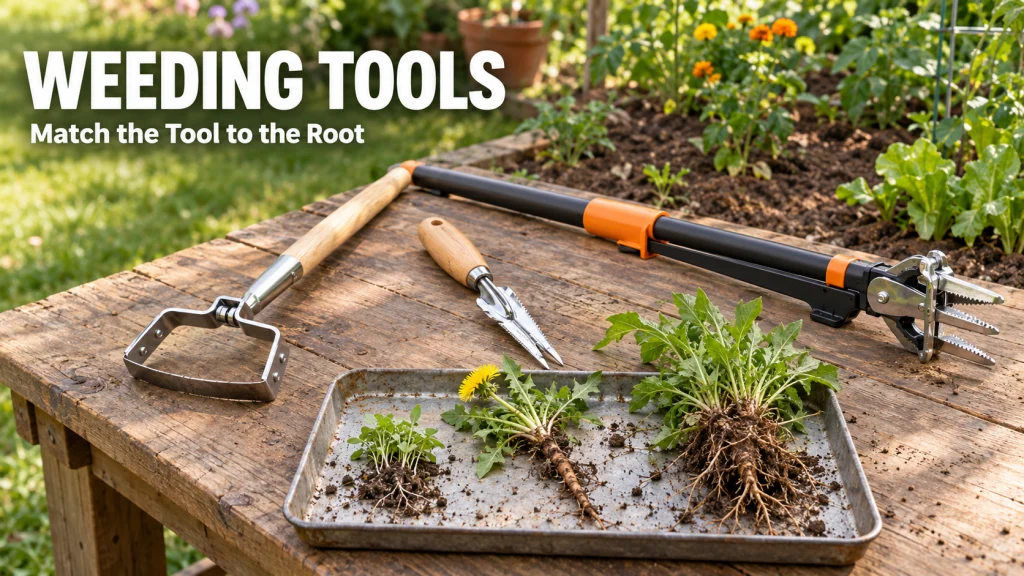
Weeding tools should match the root, not the weed label

Weeding Tools

Weeding tools work best when the tool motion matches the weed in front of you, not when one tool is expected to handle every weed in the yard. Tiny seedlings usually call for shallow slicing, individual deep roots call for controlled extraction, and established crowns may need careful loosening or digging before they can be

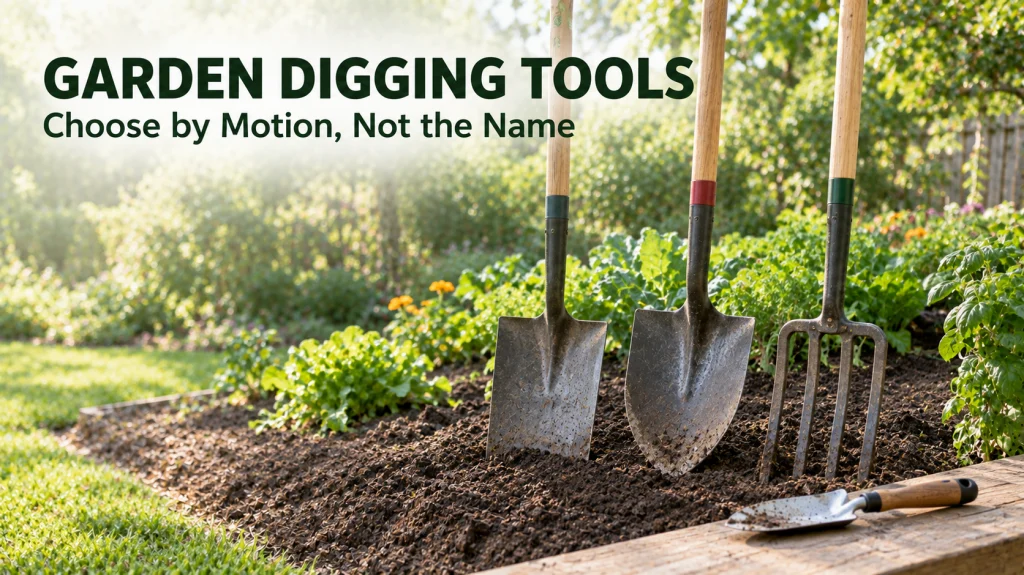
Garden digging tools make more sense when you read the blade

Garden Digging Tools

Garden digging tools make more sense when you start with the motion you need in the soil, not the name printed on the shelf tag. A straighter cutting edge suits slicing and edging, a curved bowl helps scoop and move loose material, sturdy tines loosen ground, and compact hand tools handle small planting work. The

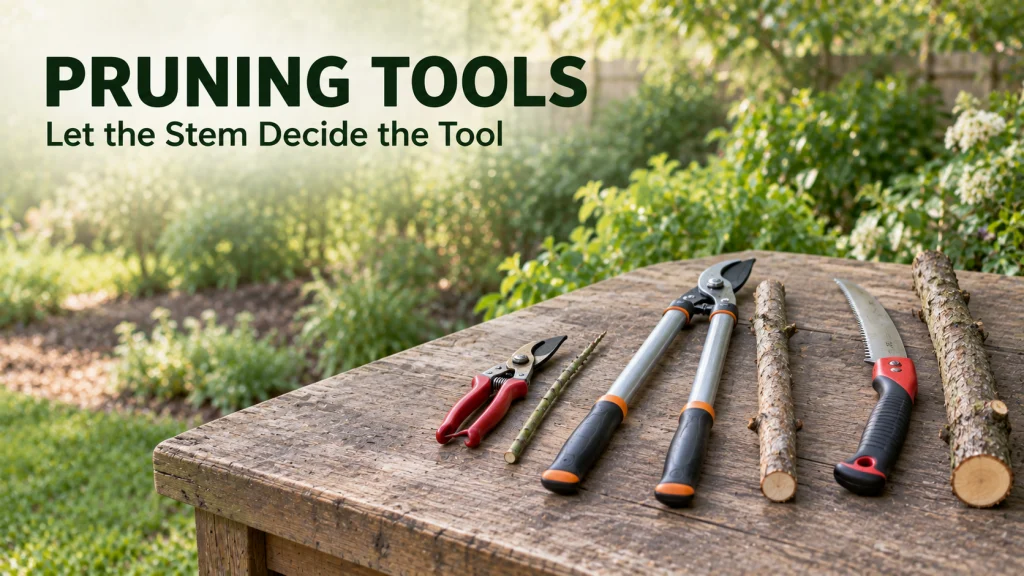
Pruning tools: let the stem decide how much tool you need

Pruning Tools

Pruning tools make more sense when the cut comes first and the tool comes second. Stem material, branch thickness, reach, and the amount of control you need usually matter more than handle length or an impressive feature list. Hand pruners cover small controlled cuts, loppers add leverage and reach, pruning saws take over when a

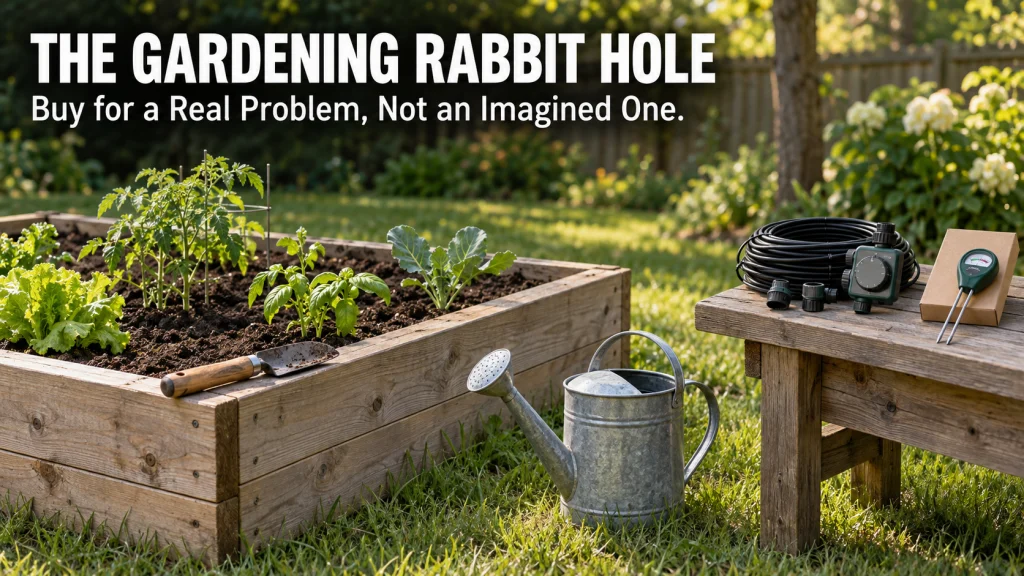
The gardening rabbit hole starts when every problem looks like it needs a product

Gardening Rabbit Hole

A useful garden setup can become complicated long before the plants or the site actually demand it. The better question is not whether another tool, amendment, bed accessory, or watering part could help, but whether it solves a constraint you can already name. A simple setup is not incomplete just because more specialized options exist.

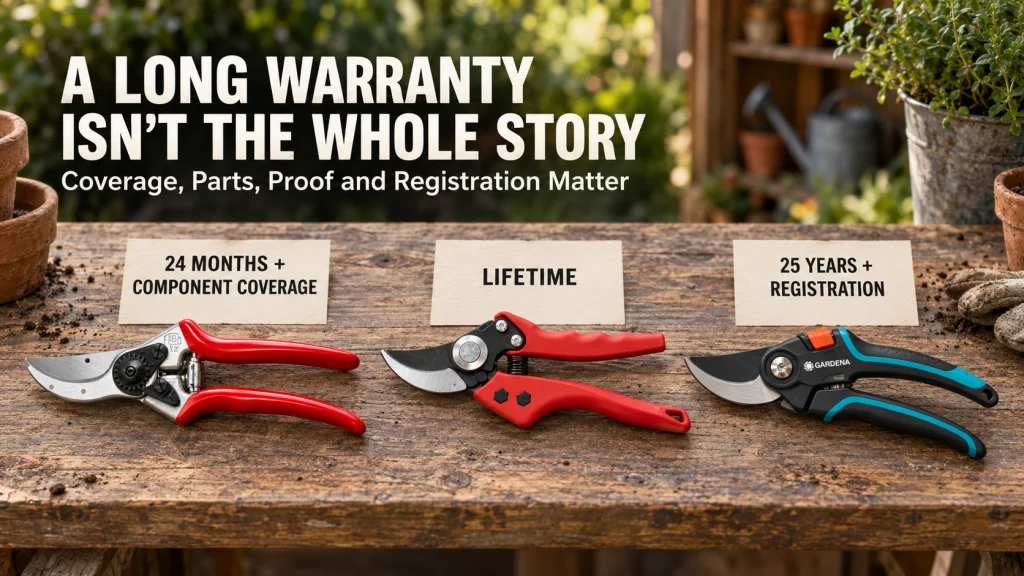
A ‘lifetime’ garden tool warranty can cover very different things

Garden Tool Warranty

A garden tool warranty can sound generous while covering a much narrower set of failures than the headline suggests. In the current U.S. sample below, lifetime, 25-year, and 24-month language changes meaning once you separate the tool body from wear parts, registration, proof of purchase, seller restrictions, and claim remedies. The useful comparison is not