Water sprouts and suckers: trace where vigorous shoots are coming from

Water Sprouts And Suckers

Vigorous upright shoots do not all mean the same thing, and removing every one on sight can hide the reason they appeared. The useful first step is to trace each shoot to a branch, trunk, root, basal crown, or graft area, then look at the plant’s recent stress and structure before deciding what to cut.
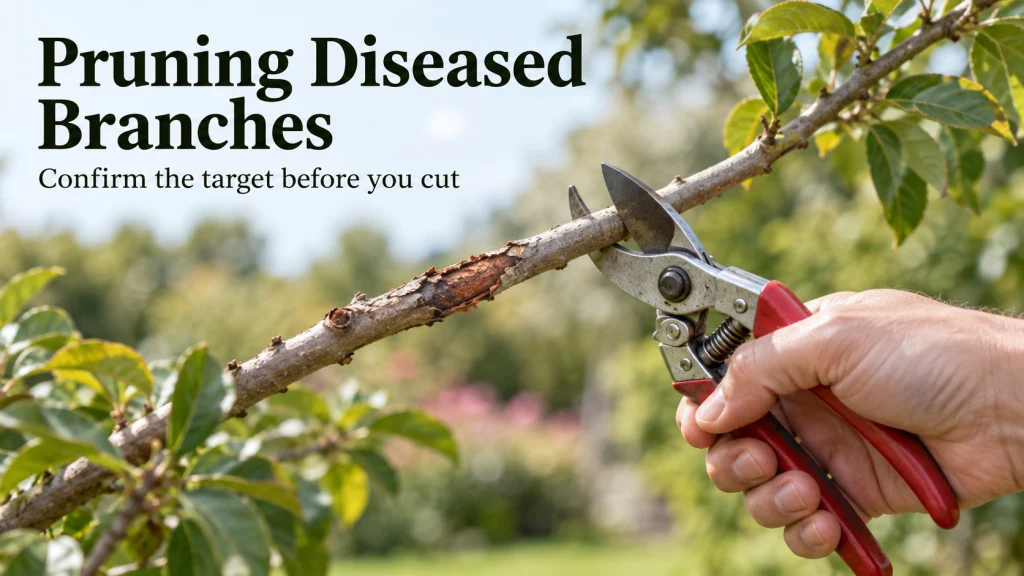
Pruning diseased branches: confirm the target before spreading the problem

Pruning Diseased Branches

Pruning diseased branches starts with confirming that the suspicious tissue is actually a pruning target, not simply cutting farther back because a branch looks unhealthy. Cankers, dieback, discoloration, storm injury, root stress, and normal seasonal changes can overlap in appearance, so the host plant and the suspected problem matter. When pruning is supported, the cut

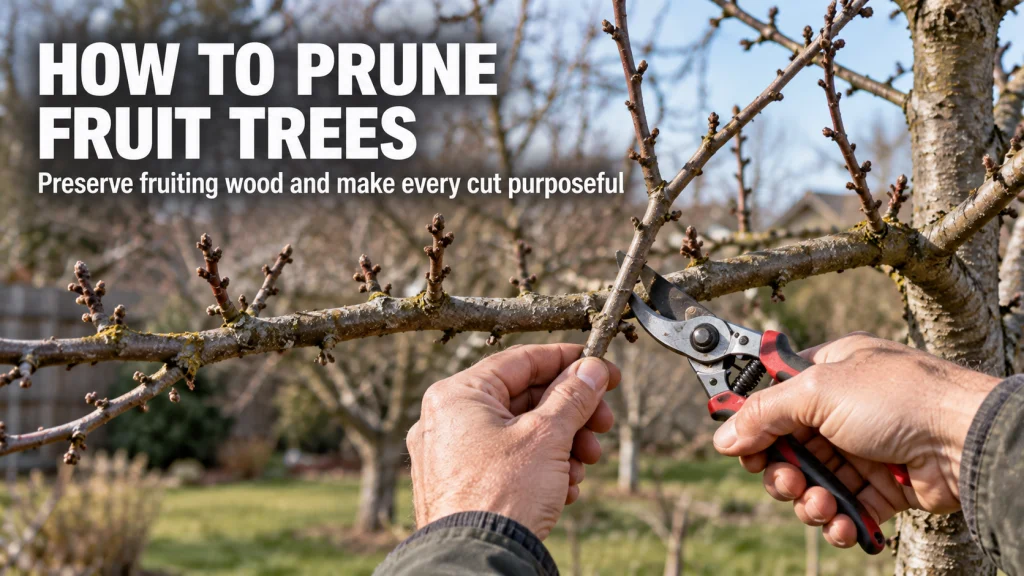
How to prune fruit trees without treating every branch as lost yield

How To Prune Fruit Trees

Pruning a home fruit tree is not just a matter of making the canopy smaller. The useful first step is to identify the tree, understand where it carries fruiting wood, and then remove obvious problems before changing permanent structure. Different fruit trees respond differently to heading, thinning, and timing, so a single cutting pattern does

Summer pruning: use it for a specific growth problem, not as a second winter

Summer Pruning

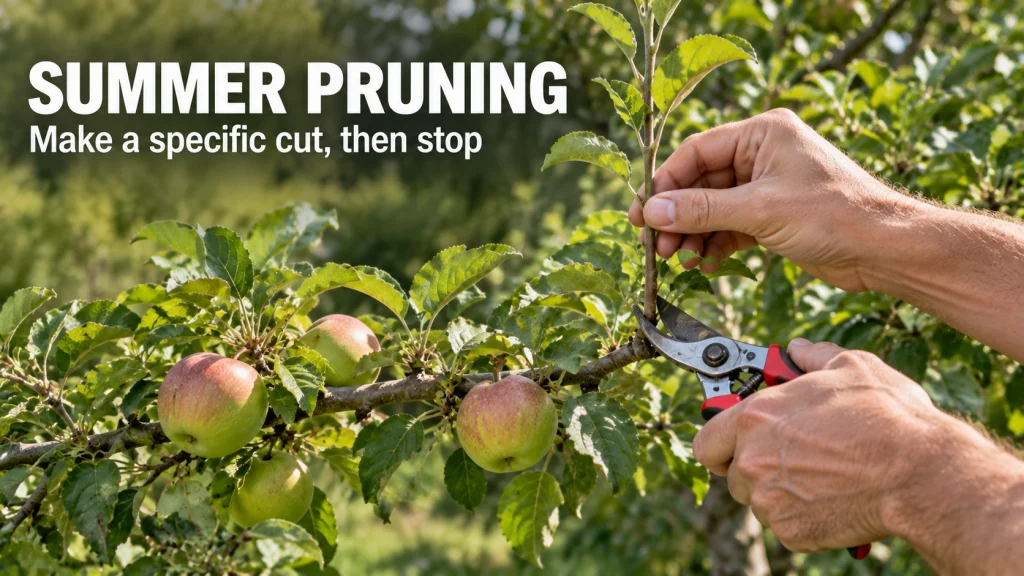
Summer pruning is most useful when an actively growing woody plant has a specific problem that can be corrected with a limited cut. The leaves make crowding, shade, water sprouts, suckers, and interfering shoots easier to see, but that same active canopy is also supporting the plant through heat, drought, flowering, and fruit development. The

Dormant pruning: what winter visibility helps you see, and what it does not

Dormant Pruning

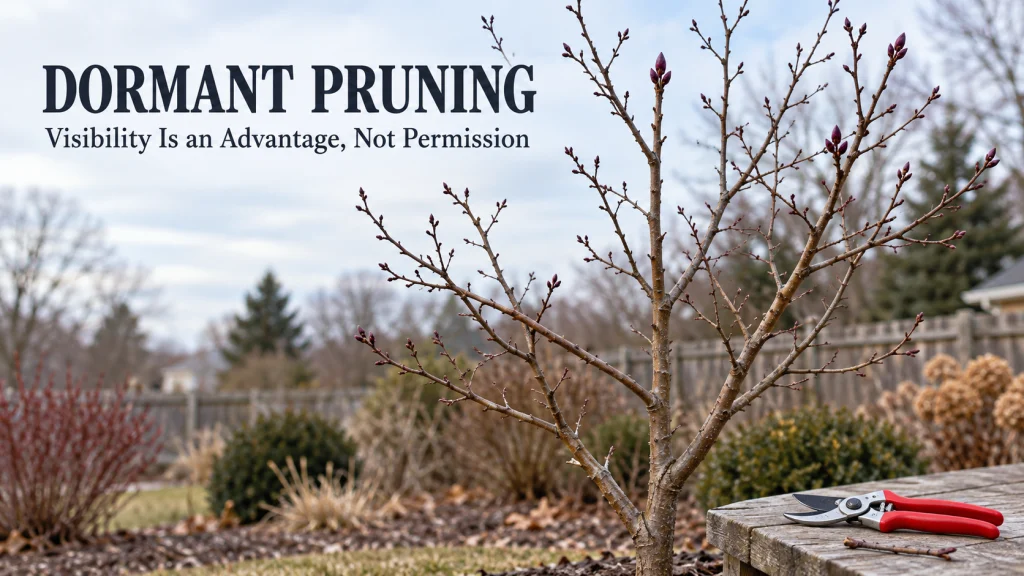
Dormant pruning can make the structure of deciduous trees and shrubs easier to judge because leaves are out of the way, but visibility alone does not make every winter cut a good cut. The useful decision is to separate branches that clearly need attention from plants whose flowering cycle, regional disease risk, cold conditions, or

When to prune trees and shrubs: let the reason for pruning set the window

When To Prune Trees And Shrubs

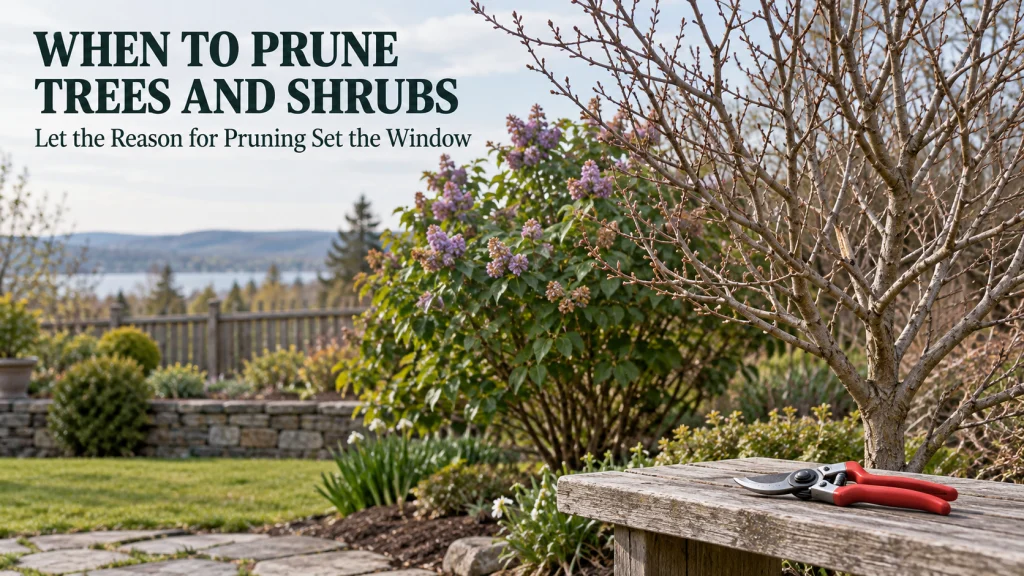
Pruning timing works best when the reason for the cut comes before the season. Dead or broken small wood may need prompt attention, structural pruning often fits a dormant window, and spring-flowering shrubs may lose next season’s display if they are cut at the wrong point in their bloom cycle. Disease pressure, local pest activity,

Thinning cuts vs heading cuts: same pruners, different plant response

Thinning Cuts Vs Heading Cuts

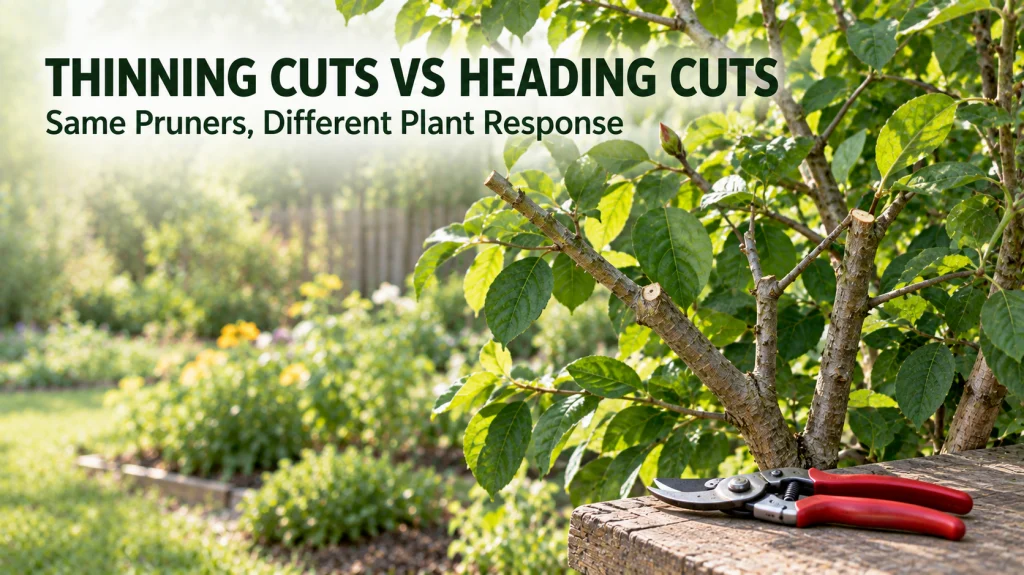
Choosing between thinning and heading is not just a vocabulary choice. A thinning cut removes a branch at its point of origin, while a heading cut shortens a stem and usually concentrates new growth near the cut. For most crowding and form problems, thinning is the cleaner choice because it removes selected growth without asking

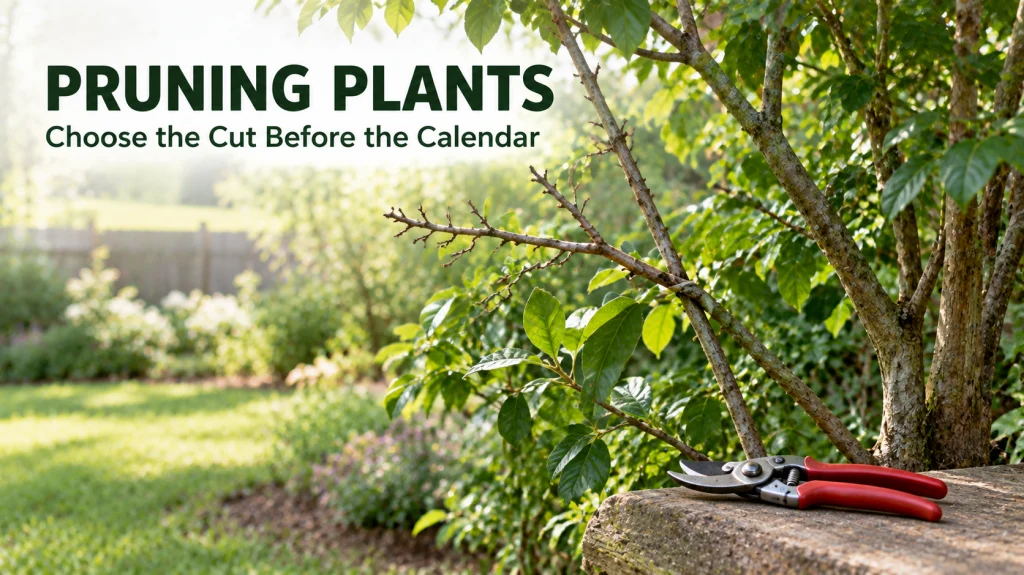
Pruning plants: choose the cut before you choose the calendar

Pruning Plants

Pruning plants is easier when you decide what the branch is doing before deciding when to cut it. A dead branch, vigorous shoot, flowering stem, and storm-broken limb can require different responses. The useful sequence is purpose first, cut type second, timing third, with disease risk and safety checked before wood is removed. That approach