The gardening rabbit hole starts when every problem looks like it needs a product
Gardening Rabbit Hole

A useful garden setup can become complicated long before the plants or the site actually demand it. The better question is not whether another tool, amendment, bed accessory, or watering part could help, but whether it solves a constraint you can already name. A simple setup is not incomplete just because more specialized options exist.
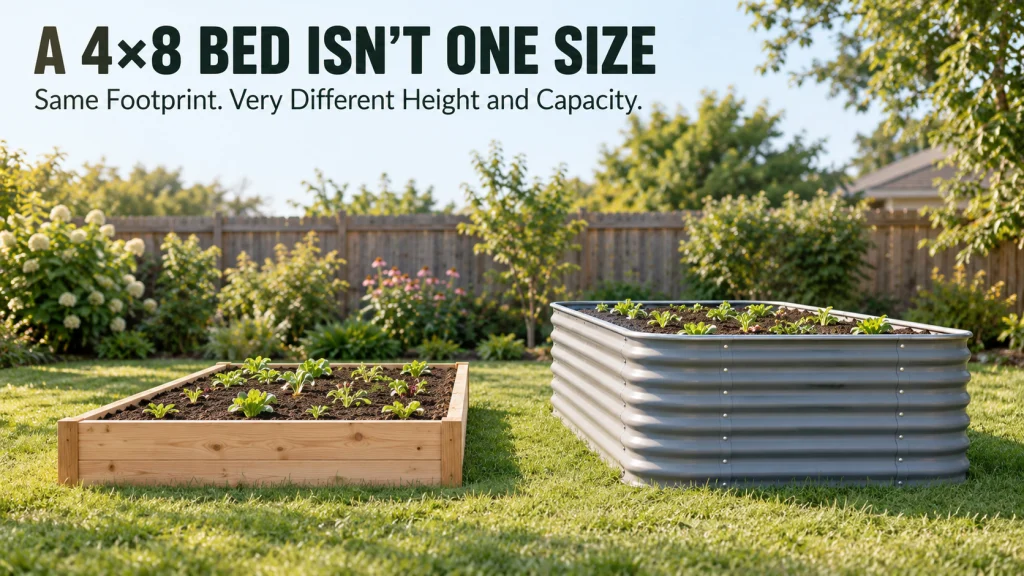
A 4×8 raised bed is not one product: current dimensions and soil capacity compared

4X8 Raised Bed Dimensions

A 4×8 label tells you the nominal footprint, but it does not tell you the bed height, wall construction, configuration, or published fill capacity. In a current same-footprint sample, published capacity ranges from 28 cubic feet for a 10.5-inch cedar bed to 69 cubic feet for a 26-inch modular metal configuration. That difference matters when

A ‘lifetime’ garden tool warranty can cover very different things

Garden Tool Warranty

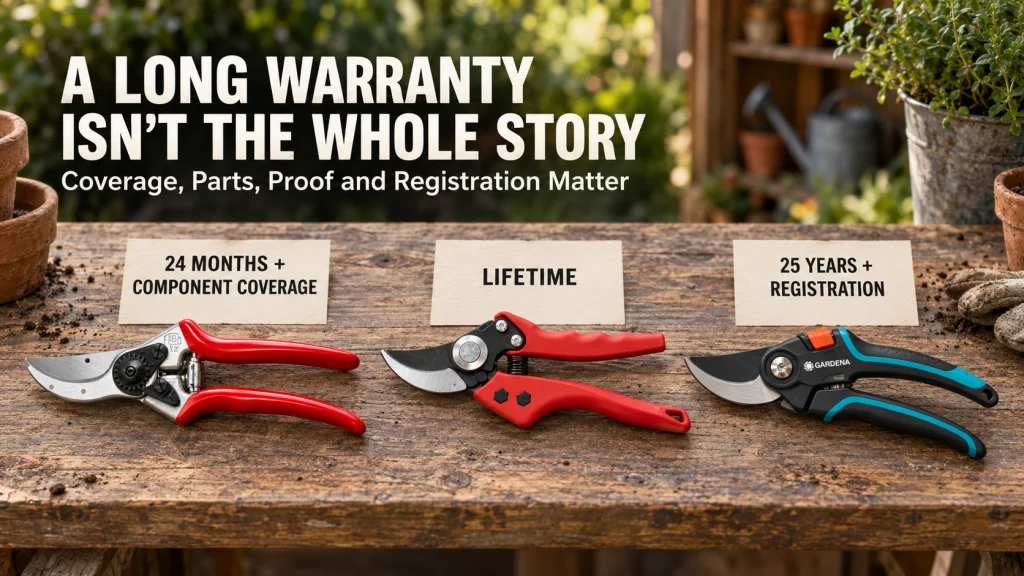
A garden tool warranty can sound generous while covering a much narrower set of failures than the headline suggests. In the current U.S. sample below, lifetime, 25-year, and 24-month language changes meaning once you separate the tool body from wear parts, registration, proof of purchase, seller restrictions, and claim remedies. The useful comparison is not

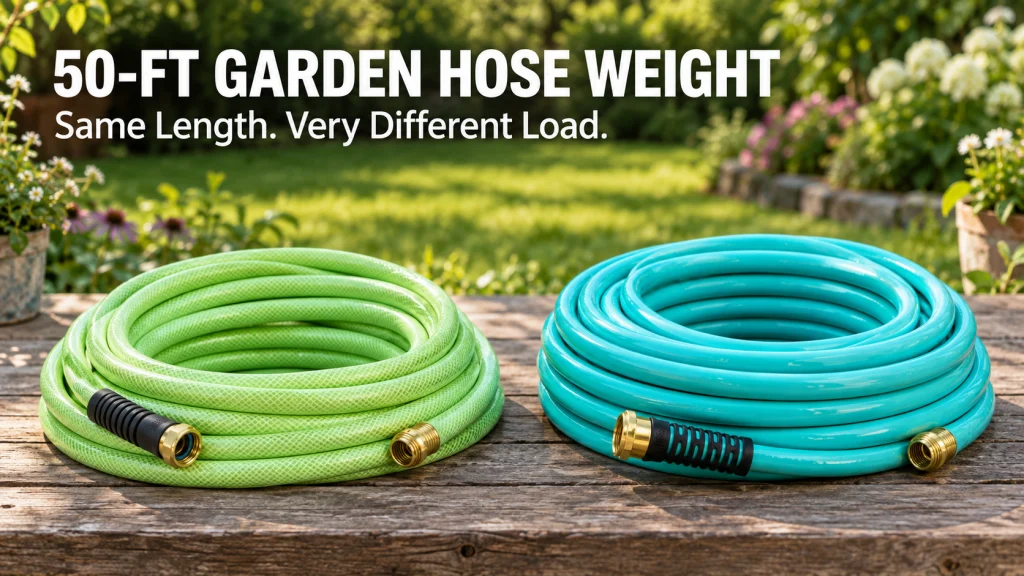
Same 50-foot label, very different load: a current garden hose weight dataset

Garden Hose Weight

A 50-foot label tells you reach, but it does not tell you how much hose you will actually drag, lift, or coil. In this frozen sample of current manufacturer-published specifications, manufacturer-published 50-foot product weights vary sharply. Diameter and construction matter, and manufacturer disclosure is not equally precise about what the listed weight includes. The practical

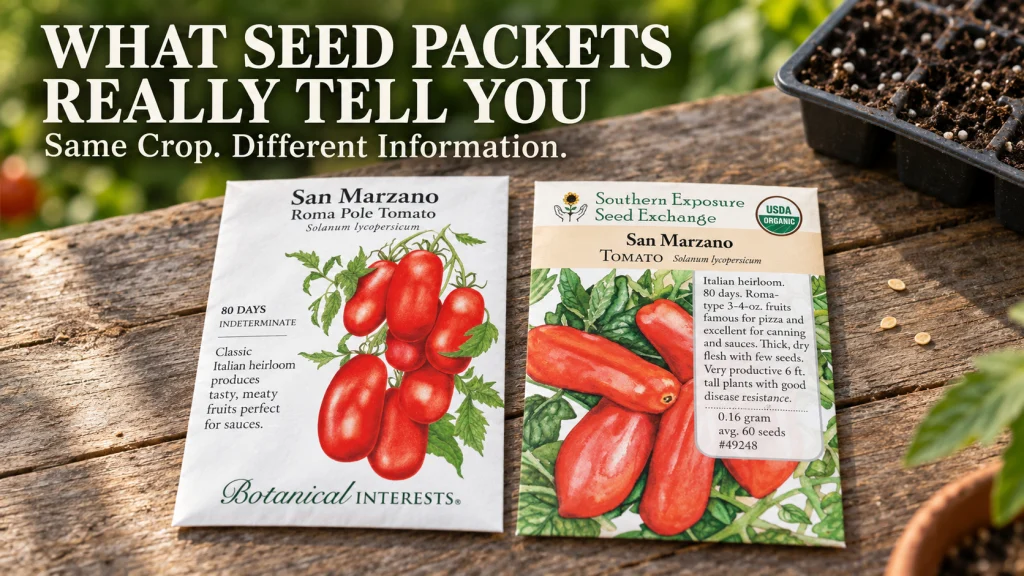
I compared what seed packets actually tell you before you plant

What Seed Packets Actually Tell You Before You Plant

I compared the disclosure fields shown for San Marzano type tomatoes and Genovese type basils across five U.S. seed companies, keeping packet evidence separate from information that appears only on official product pages. The strongest pattern was not that one company told gardeners everything and another told them nothing, but that the same useful field