Drip Irrigation Runtime Calculator
Estimate runtime using emitter flow, emitter count, and your chosen water amount.
DRIP RUNTIMEOpen calculator

Estimate runtime using emitter flow, emitter count, and your chosen water amount.
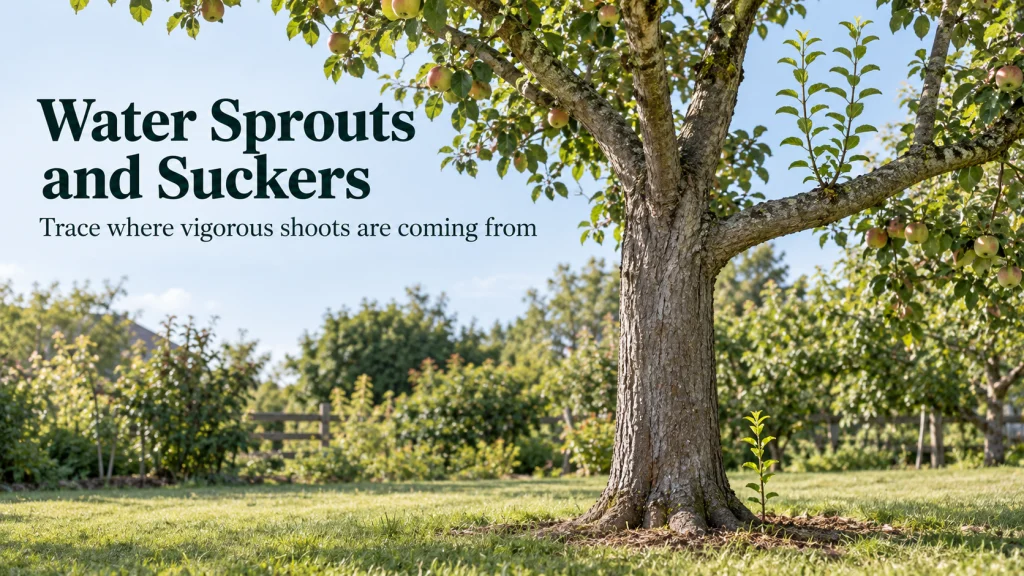
Vigorous upright shoots do not all mean the same thing, and removing every one on sight can hide the reason they appeared. The useful first step is to trace each shoot to a branch, trunk, root, basal crown, or graft area, then look at the plant’s recent stress and structure before deciding what to cut.
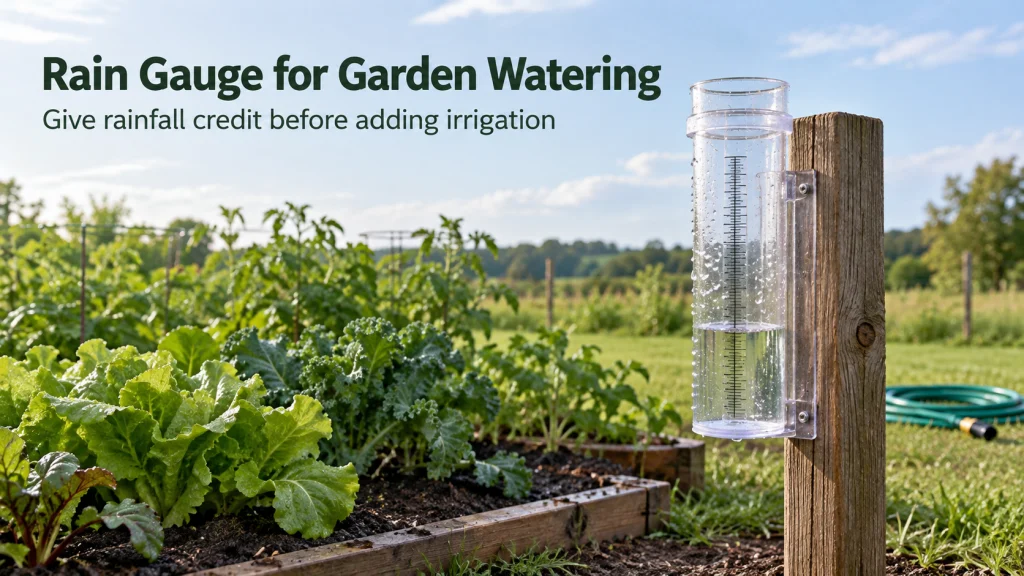
A rain gauge for garden watering is useful only when it measures rain that can realistically reach the growing area and when that number is checked against actual soil moisture. A gauge under a tree, beside a roof edge, or inside sprinkler spray can give a misleading reading even when the scale itself is easy
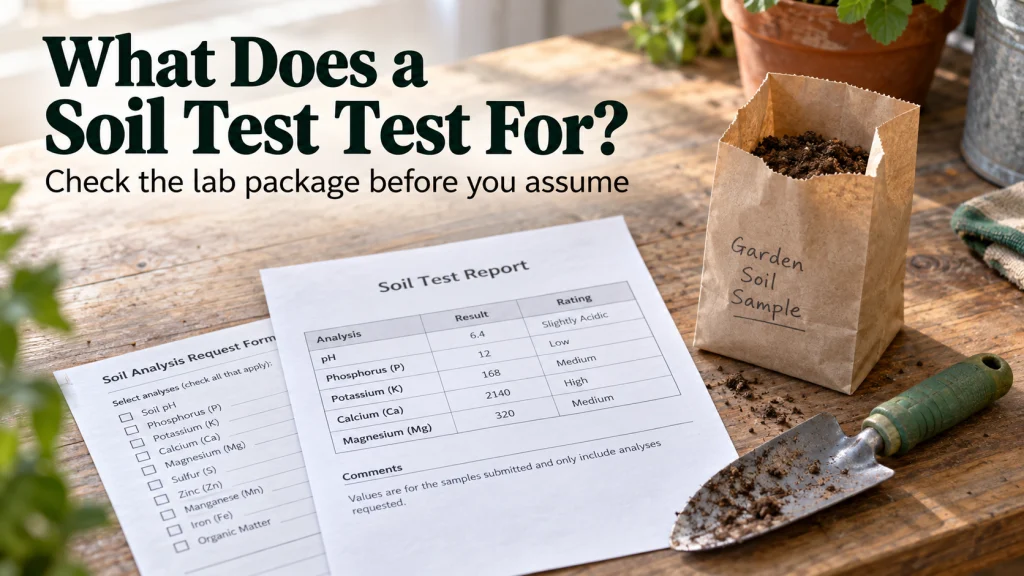
A garden soil test does not automatically measure every property of the soil. Routine packages commonly focus on pH and selected plant-available nutrients, while organic matter, soluble salts, texture, lead, other contaminants, or biological questions may require different options. The exact menu varies by laboratory, so the package description matters more than the generic label
Estimate watering minutes from measured catch-cup depth and target depth.
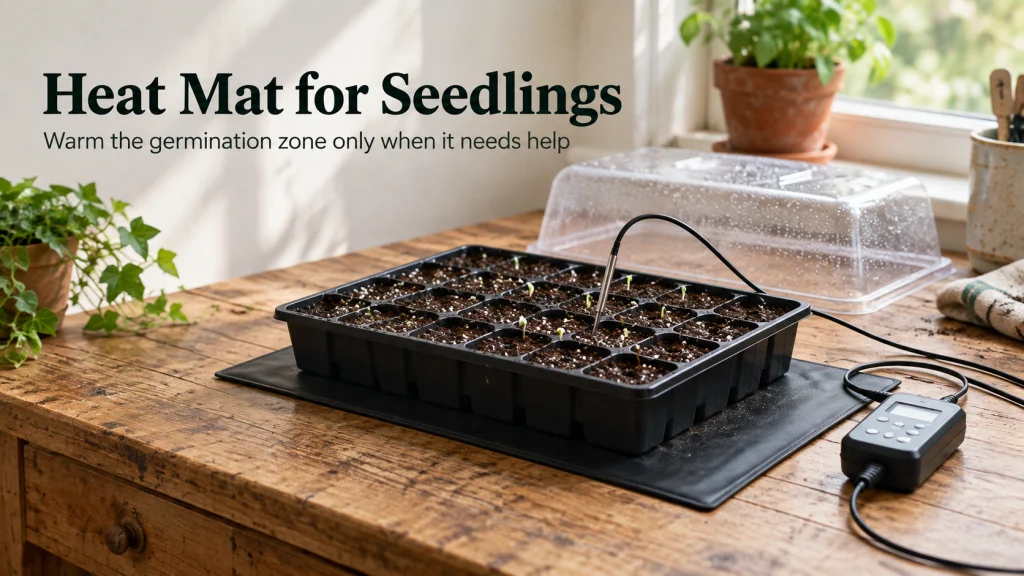
A heat mat for seedlings is useful when the seed-starting medium is cooler than the germination range needed by the seeds you are starting. It is not automatic equipment for every tray, because different crops tolerate or prefer different germination temperatures and a warm room may already provide enough heat. The practical decision is to
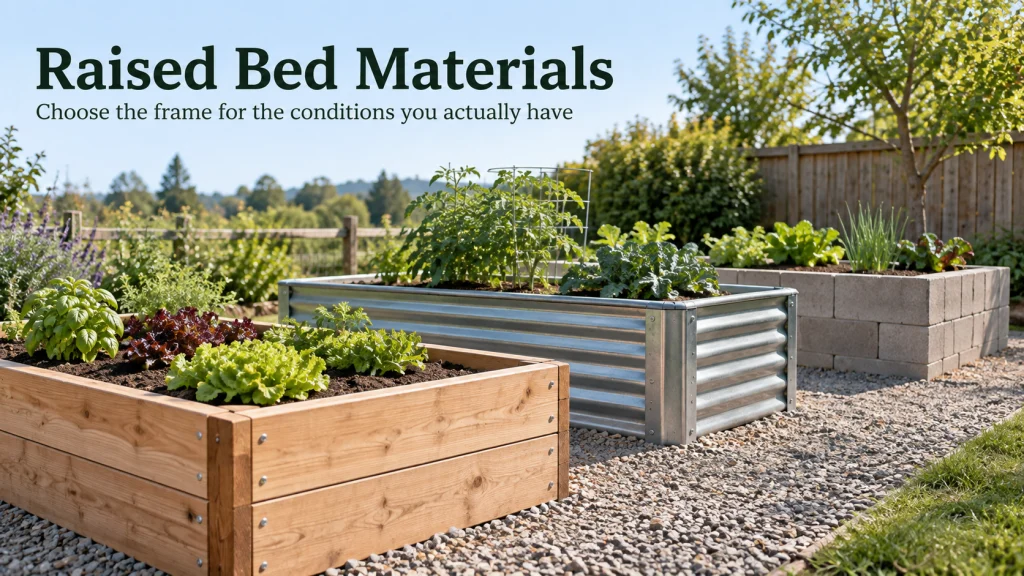
Raised garden bed materials are best chosen by site conditions, budget, maintenance tolerance, and how easily the frame can be repaired or replaced. Wood, metal, masonry, plastic, and composite systems can all work, but a material name alone does not prove lifespan, safety, or performance. The useful comparison starts with what touches wet soil, how
Calculate hose flow using collected water volume and measured time.
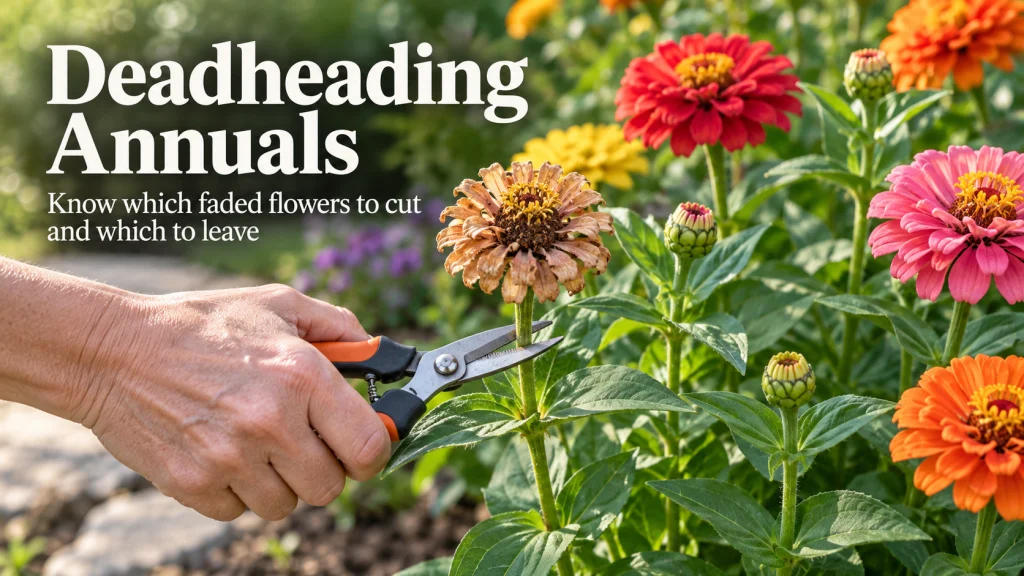
Deadheading annuals is useful when removing spent flowers helps a plant keep flowering, prevents unwanted seed set, or simply keeps the planting tidy. It is not a universal chore because some annuals are self-cleaning, some cultivars continue flowering without regular cleanup, and some plants are more useful when selected seed heads remain. The practical decision
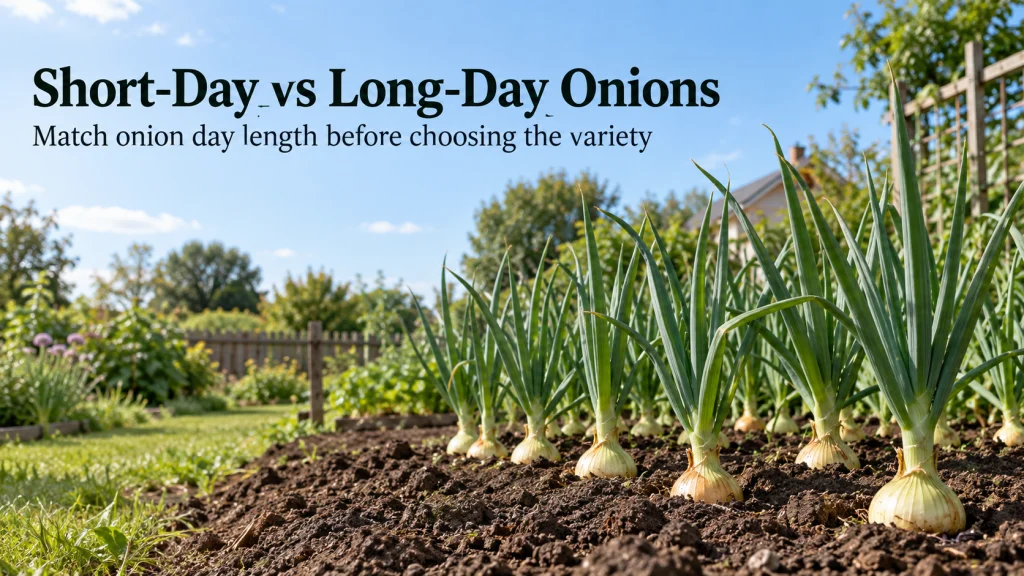
Choosing an onion for bulb production starts with day length, not bulb color, sweetness, or a catalog photo. Short-day, intermediate-day, and long-day onions begin bulbing under different photoperiod conditions, so the right class depends on how seasonal daylight behaves where the garden is located. Latitude is a useful first screen, but regional guidance and the
Translate a nutrient rate and fertilizer label percentages into product weight.

Plants per person tables are useful starting points, but household size alone cannot tell you how much of each vegetable belongs in a home garden. The better method is to begin with what the household actually eats, separate fresh use from preserving or storage goals, then account for harvest pattern, repeat sowings, and the space
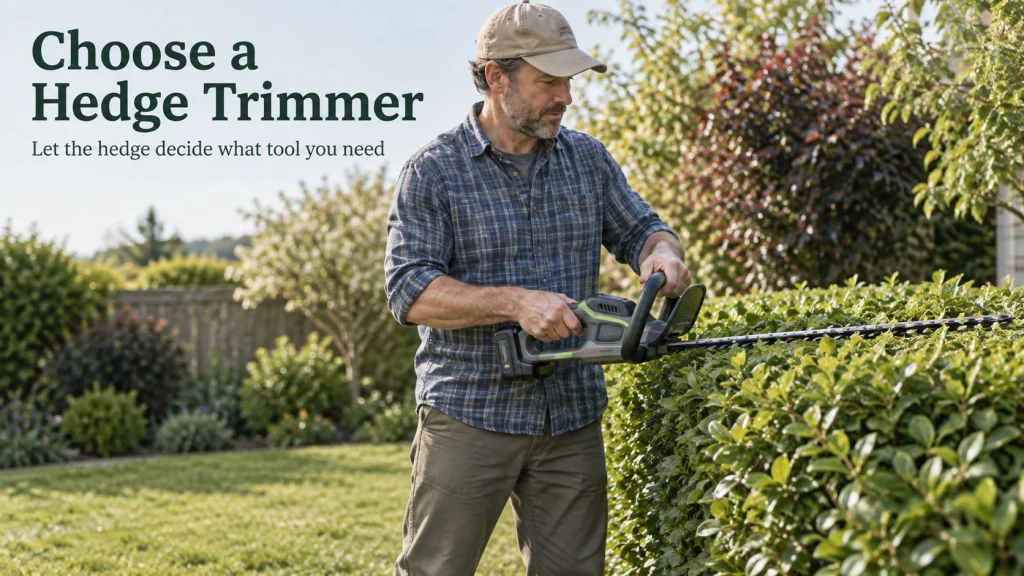
A hedge trimmer should match the hedge, the access around it, and the amount of trimming you actually do. A short low hedge may be easier to control with hand shears, while a long boundary hedge or a tall face can justify powered equipment for very different reasons. Blade length, reach, power source, and cutting
Calculate new mulch or top-up volume and optional bag counts.
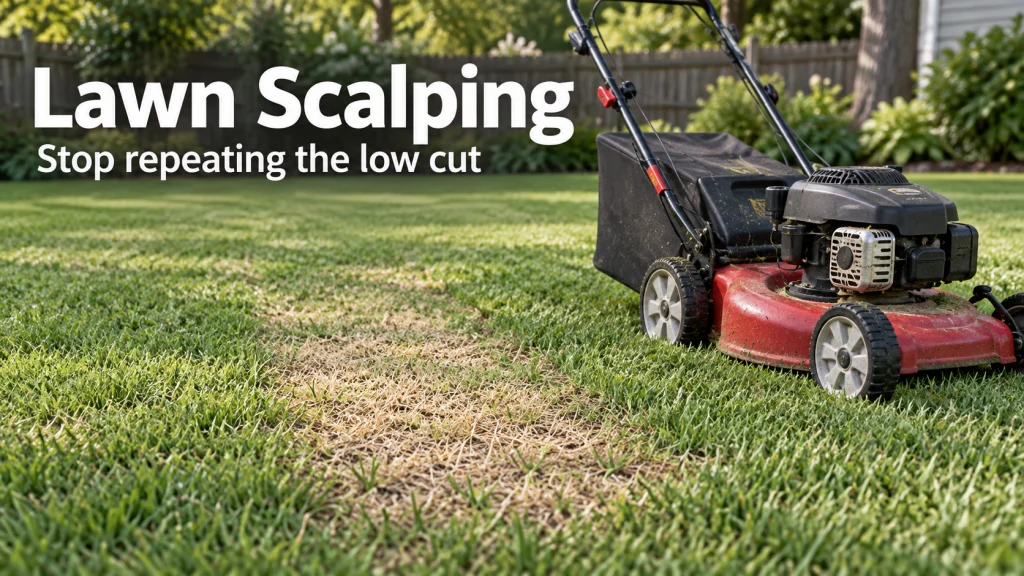
Lawn scalping is usually a mowing problem before it is a fertilizer, watering, or reseeding problem. A low deck setting, uneven ground, excessive thatch, or a mower that does not hold a consistent cutting height can expose pale stems, crowns, or soil. The practical fix is to stop repeating the damaging cut, return to a
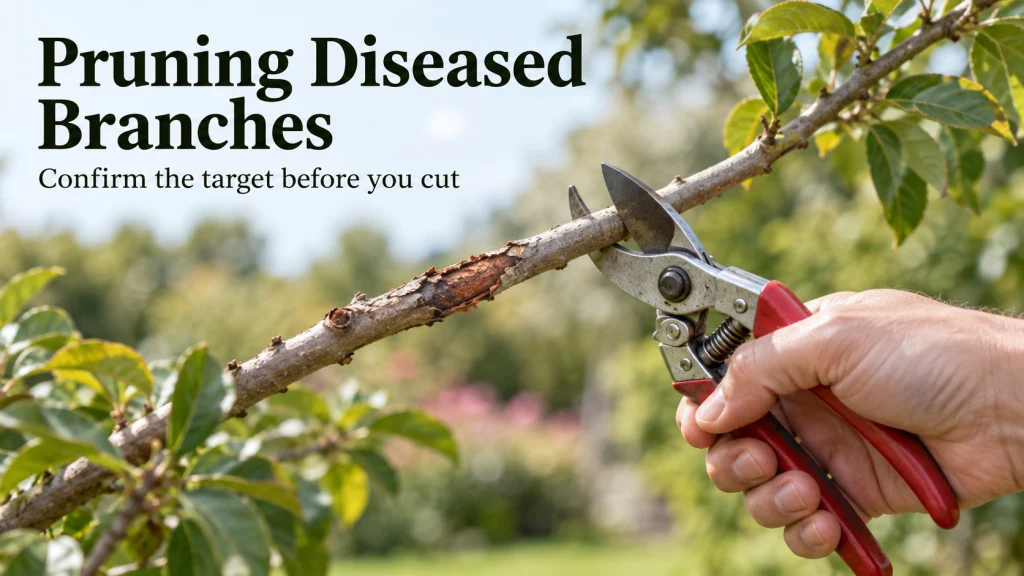
Pruning diseased branches starts with confirming that the suspicious tissue is actually a pruning target, not simply cutting farther back because a branch looks unhealthy. Cankers, dieback, discoloration, storm injury, root stress, and normal seasonal changes can overlap in appearance, so the host plant and the suspected problem matter. When pruning is supported, the cut