Raised bed materials: choose the frame for the years and conditions you actually need
Raised Bed Materials

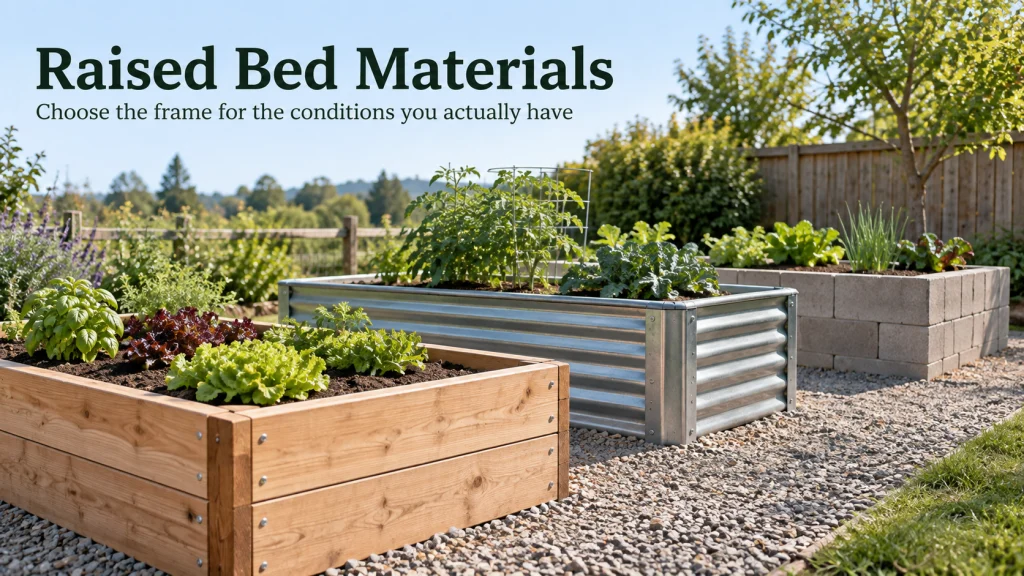
Raised garden bed materials are best chosen by site conditions, budget, maintenance tolerance, and how easily the frame can be repaired or replaced. Wood, metal, masonry, plastic, and composite systems can all work, but a material name alone does not prove lifespan, safety, or performance. The useful comparison starts with what touches wet soil, how
How much to plant per person when household size is not enough

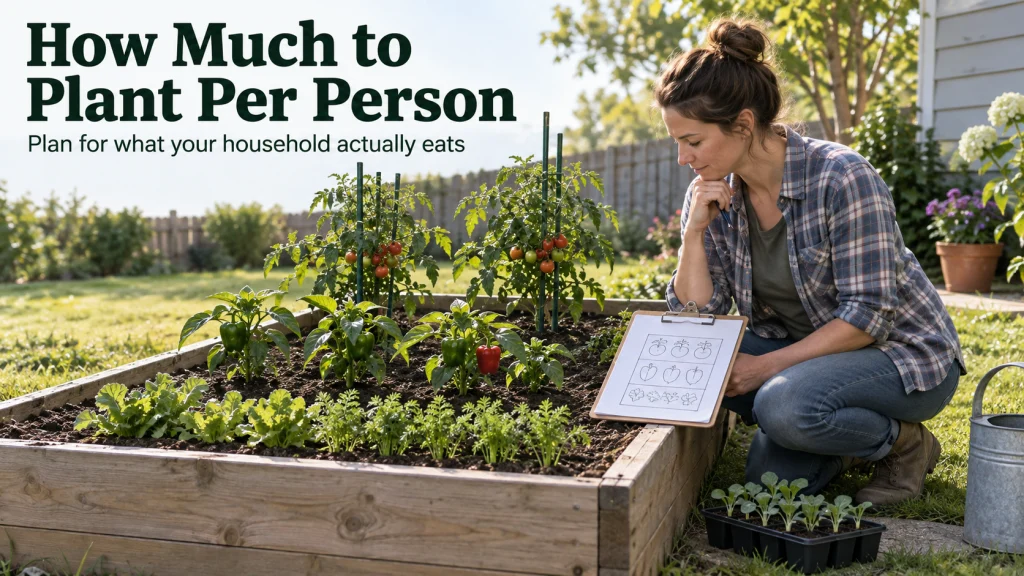
How Much To Plant Per Person

Plants per person tables are useful starting points, but household size alone cannot tell you how much of each vegetable belongs in a home garden. The better method is to begin with what the household actually eats, separate fresh use from preserving or storage goals, then account for harvest pattern, repeat sowings, and the space

Compost Application Calculator

GARDEN FIELD BOOK / CALCULATOR 08 ← All Garden Calculators Compost Application Calculator Enter your garden area and the compost depth you plan to apply. Calculate a new layer or a measured top-up, then compare cubic feet, cubic yards, liters and bag counts. The calculator does not choose a compost application depth for you. WORKED

When to test garden soil before the season gets busy

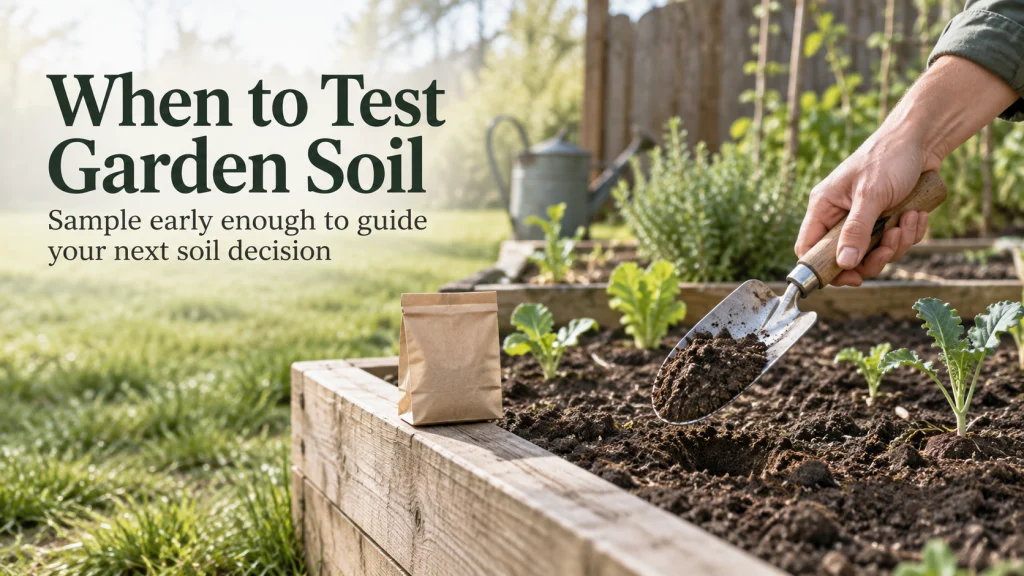
When To Test Garden Soil

Choosing when to test garden soil works better when you start with the decision the result needs to guide, not with a universal month on the calendar. The useful sampling window depends on the laboratory’s instructions, the condition of the soil, the amendment or planting decision ahead, and how much time you need to receive

How much soil for raised bed projects before the bag count gets expensive

How Much Soil For Raised Bed

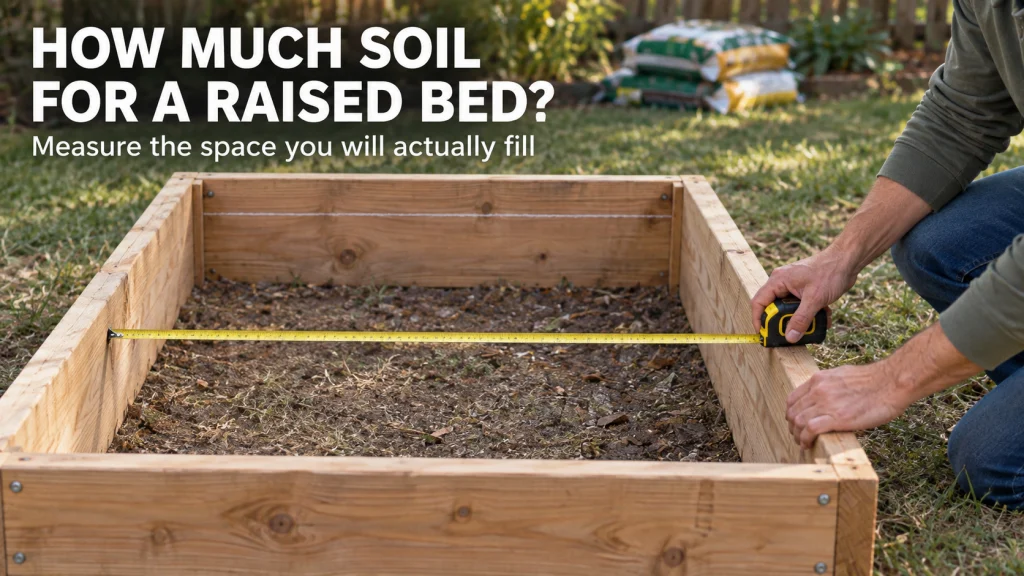
A raised bed soil order should start with the space you actually plan to fill, not the size printed on a kit or the outside dimensions of the frame. Measure the usable inside length and width, decide the intended fill depth, then calculate cubic feet before converting to cubic yards or bag counts. Freeboard, wall

Long blooming annual flowers: what long really means in your season

Long Blooming Annual Flowers

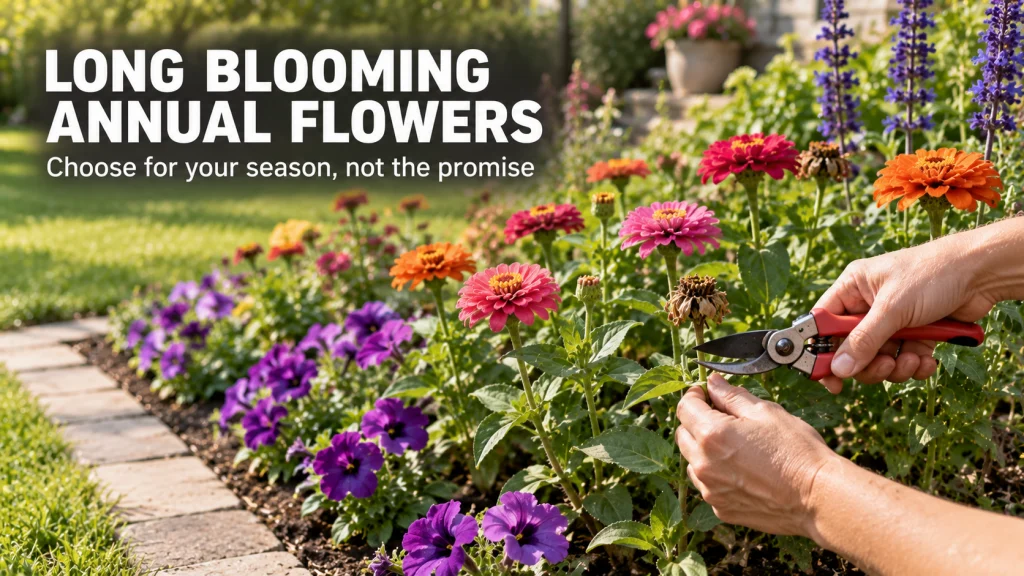
Long blooming annual flowers are not simply the plants with the boldest promise on a tag. A useful choice depends on whether a plant keeps producing flowers naturally, needs deadheading or trimming, tolerates the hottest part of the local season, and fits the light, moisture, and space actually available. The best shortlist starts with those

Succession Planting Planner

GARDEN FIELD BOOK / CAT12 / C12P4 ← All Garden Calculators SEEDS & SCHEDULING / PLAN YOUR ROUNDS Succession Planting Planner Turn your first sowing date, preferred spacing between rounds, and planting window into a practical date-by-date schedule. You choose the timing; the calculator handles the calendar. Up to 52 roundsCalendar & tableOptional bed-overlap check

The air is warm. Is the ground? Soil temperature for planting

Soil Temperature For Planting

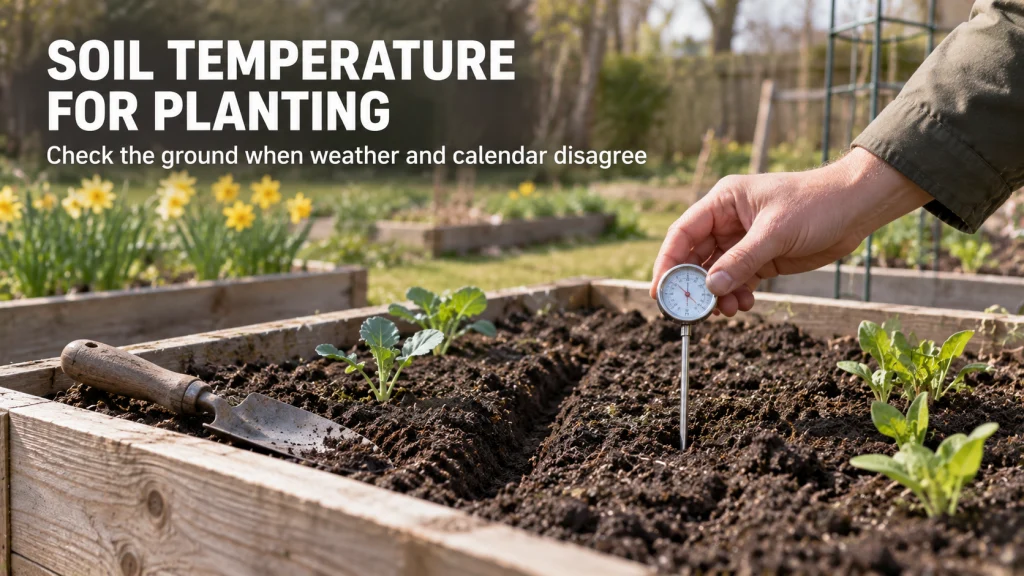
Soil temperature for planting is useful when the calendar, the forecast, and the ground are giving you different signals. Warm air can arrive while the root zone is still cool, so a planting decision should account for where a seed or transplant will actually meet the soil. The practical approach is to measure at a

How deep should a raised garden bed be? Count the soil below it too

How Deep Should A Raised Garden Bed Be

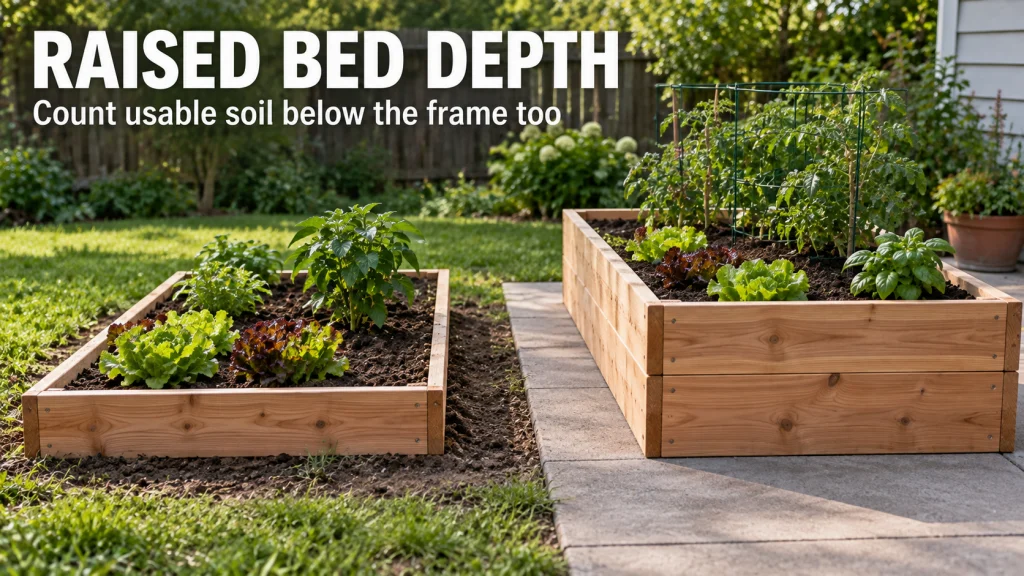
Raised bed depth is not just the height of the frame. An open-bottom bed over healthy, loosened soil may give roots usable space below the boards, while a bed on concrete or another hard surface must provide its full root zone inside the bed. Crop needs, the condition of the soil underneath, room left for

Cool-season vs warm-season vegetables before the calendar

Cool Season Vs Warm Season Vegetables

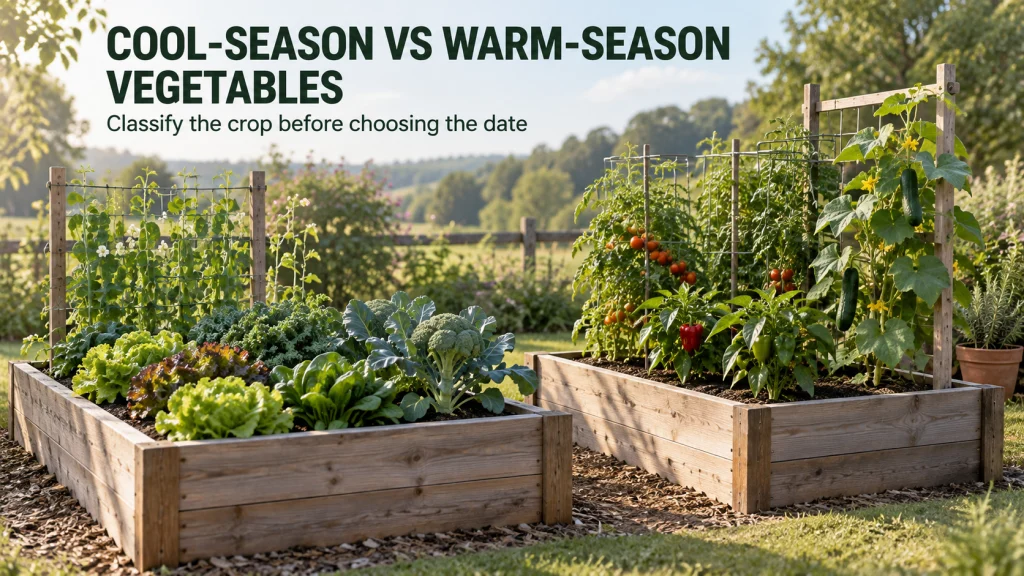
Cool-season and warm-season vegetables belong in different parts of a garden plan because they respond differently to cold, heat, and frost risk. Cool-season crops can use colder parts of the growing year, while warm-season crops need the frost risk to pass and enough warmth for active growth. That classification helps place crops on a planting

What size raised bed do I need? Size reach, root depth and soil bill together

What Size Raised Bed Do I Need

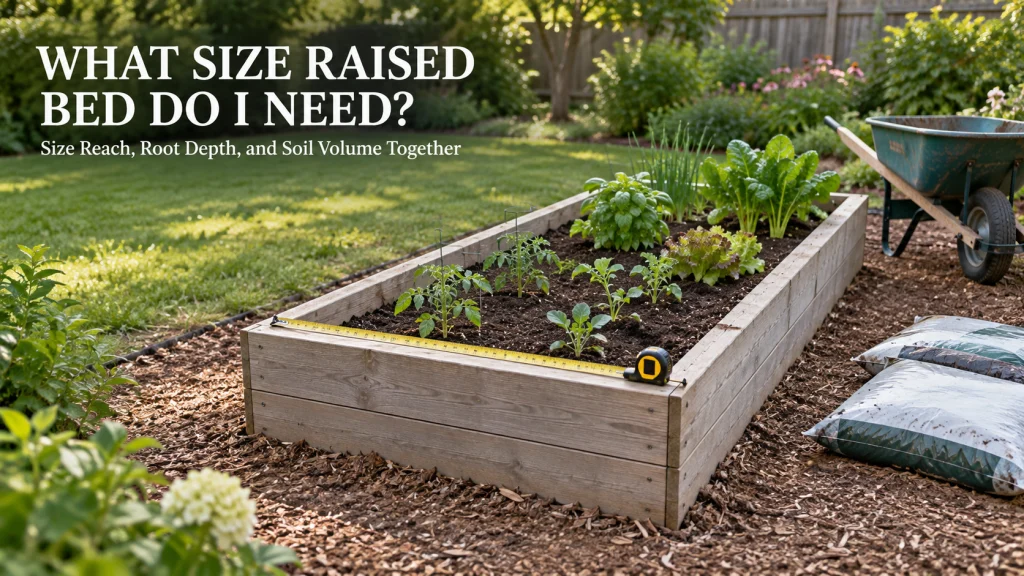
A useful raised bed size is not just a footprint such as 4 by 8 feet. Width should come from how many sides you can reach, length should fit the site and work route, and wall height should be separated from the total rootable depth available to plants. Beds on usable soil can let roots

How big should my vegetable garden be? Size the workload first

How Big Should My Vegetable Garden Be

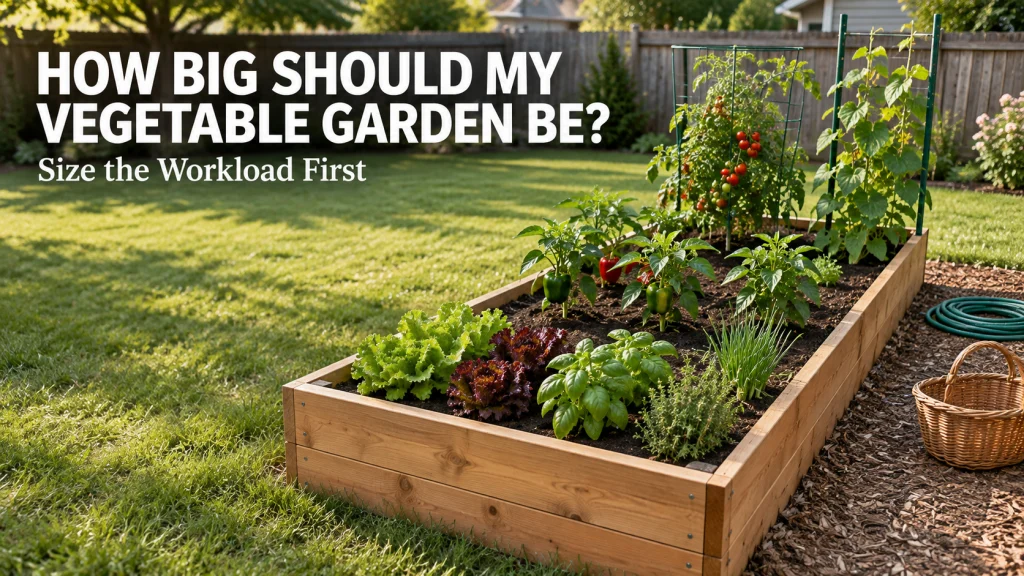
A vegetable garden should be sized around the work you can repeat, the crops you actually want to grow, and the access space needed to care for them. A modest first garden can be more productive and easier to learn from than a larger plot that becomes difficult to weed, water, support, and harvest. Crop