Long blooming annual flowers are not simply the plants with the boldest promise on a tag. A useful choice depends on whether a plant keeps producing flowers naturally, needs deadheading or trimming, tolerates the hottest part of the local season, and fits the light, moisture, and space actually available. The best shortlist starts with those constraints, then compares bloom behavior and recurring maintenance. That approach gives a better chance of steady seasonal color without pretending that any annual can guarantee nonstop flowers everywhere.
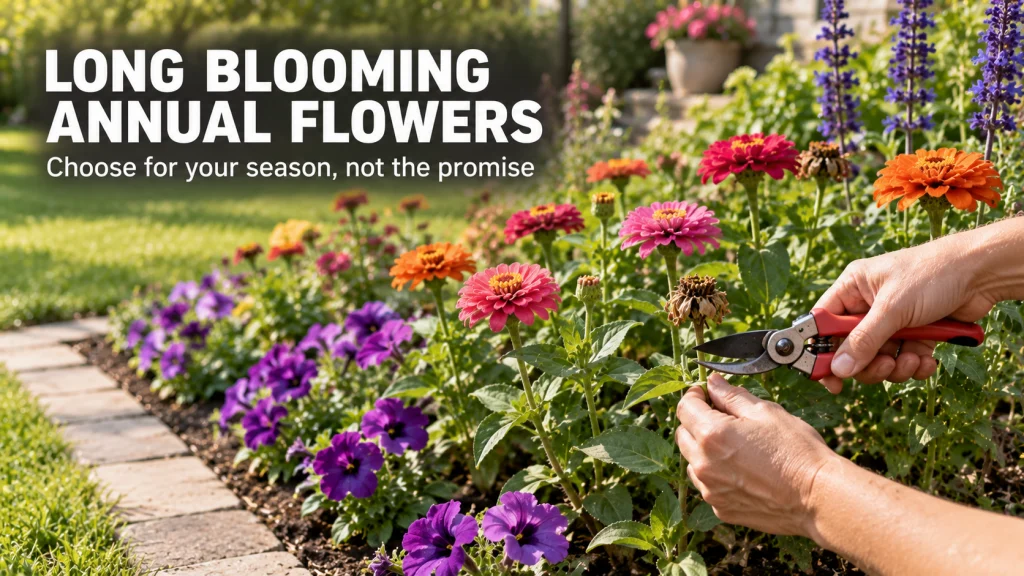
A long season can come from very different plant behavior
Long blooming annual flowers do not all keep going for the same reason. One may shed spent blooms on its own and keep setting buds with little grooming, while another may look excellent only if faded flowers are removed and leggy growth is cut back. A third may flower heavily in mild weather, slow when summer heat arrives, and recover as conditions moderate. The label describes an outcome, but it does not explain the trait or maintenance that produces that outcome.
I would treat season-long color as a match between plant behavior and the garden rather than as a fixed number of blooming weeks. The useful questions are whether the plant fits the site, whether its preferred temperature range lines up with the local season, and whether its maintenance needs fit the gardener’s routine. A plant that flowers for a long period only with frequent grooming is still a valid choice, but it belongs on a different shortlist from a self-cleaning plant. Once that distinction is clear, comparing annuals becomes much more practical.

These 6-inch pruning snips have non-stick blades designed to resist resin buildup. The listing includes two garden scissors for small trimming and deadheading tasks. They fit recurring grooming when continued flowering depends on removing spent growth.
Check On AmazonIf you click this link and buy, we earn a commission at no additional cost to you.
Define the site and the job before making a flower list
Start with what the planting needs to do. A front border viewed every day may need steady color and a tidy habit, while a cutting patch can tolerate plants that need regular harvesting or deadheading because that work is already part of the plan. A container near a doorway has a smaller root zone and can dry faster than an in-ground bed, so a plant that looks easy on a list may create more watering work there. The same annual can therefore be a strong fit in one use and a poor fit in another.
Write down the conditions that cannot be negotiated before choosing names. Useful filters include the amount of direct sun, how quickly the soil or container dries, the space available at mature size, the hottest part of the season, and how often someone is willing to groom plants. For broader decisions about where annuals fit among other ornamental choices, the site’s flower gardening guidance gives the larger context without changing this article’s bloom-duration focus. A short list built from real constraints is more useful than a long list built from color alone.
- Choose the planting job first: border color, container display, cutting, or gap filling.
- Record sun and moisture conditions where the plants will actually grow.
- Estimate mature width and height so neighboring plants are not forced into crowding.
- Decide how much deadheading, trimming, and watering fits the normal routine.
These filters do not identify one universal winner, and that is the point. They remove plants that would need the garden to behave differently before they could perform well. That leaves a smaller group worth comparing for bloom behavior. It also keeps the decision centered on the site instead of on a marketing phrase.

This 25-foot retractable tape measure uses a manual-locking blade and fraction markings. It provides a practical way to check bed dimensions and available planting space. That makes mature height and spread easier to compare with the actual site before choosing annuals.
Check On AmazonIf you click this link and buy, we earn a commission at no additional cost to you.
Set the non-negotiable light, moisture, climate, and space filters
Most flowering annuals produce their best display when their light requirement is met, and plants that prefer sun generally flower less freely when placed in too much shade. The reverse also matters because shade-tolerant annuals can struggle in intense exposure that is hotter and drier than they prefer. Moisture is another filter, especially in containers and exposed beds where roots can dry quickly. A long bloom period on paper means little if the plant spends much of the season recovering from a site mismatch.
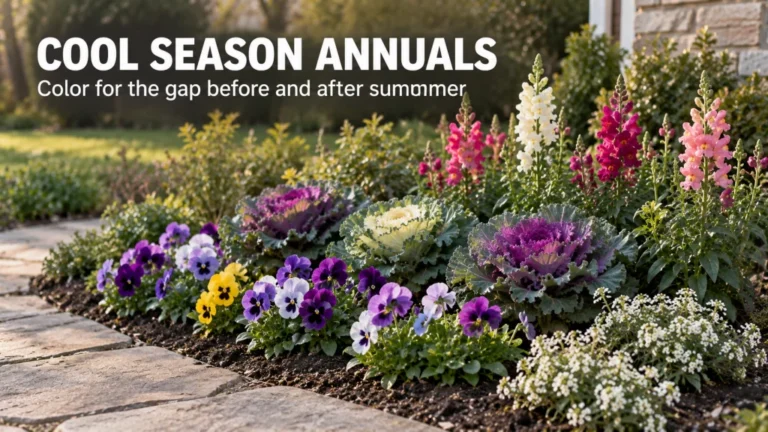
Climate also changes what a long season means. Cool-season annuals can look strong early and then decline when heat builds, while warm-season annuals may become more reliable after conditions settle into summer. Mature size belongs in the same screening step because crowding can reduce airflow, hide lower growth, and make routine grooming harder. I would remove any candidate that fails one of these basic filters before comparing flower color, bloom count, or maintenance claims.

This soil moisture meter is designed for indoor and outdoor use and requires no battery. It lets a gardener check root-zone moisture instead of relying only on a fixed watering schedule. That is useful when screening annuals for beds or containers that dry at different rates.
Check On AmazonIf you click this link and buy, we earn a commission at no additional cost to you.
Remove candidates that fit the label but not the actual garden
A plant can match the phrase on a tag and still fail the actual site. A full-sun annual is a poor candidate for a bed that receives only a short window of direct light, and a cool-season type may not serve a border meant to carry color through the hottest part of summer. Mature size can disqualify a plant just as quickly when the available space is narrow or close to a walkway. The useful question is not whether the label sounds appealing, but whether the plant can meet the job without forcing the site to compensate for it.
This is where a shortlist often becomes smaller and more realistic. Compare each candidate against the conditions already recorded, and remove it when light, seasonal timing, moisture pattern, or mature dimensions conflict with the planting space. Do that before considering flower color or a broad promise about season-long performance. Early elimination prevents the common mistake of trying to correct a basic mismatch later with extra inputs or repeated intervention.

This garden sunlight calculator distinguishes full sun, partial sun, partial shade, and full shade. It can help document the light conditions a planting site actually receives. That makes it easier to remove annual candidates whose light requirements do not match the garden.
Check On AmazonIf you click this link and buy, we earn a commission at no additional cost to you.
Compare the traits that actually affect bloom duration
Bloom duration comes from several traits that should be separated instead of blended into one label. Some annuals are relatively self-cleaning, so old flowers fall away without regular deadheading, while others respond to removal of spent flowers with a stronger repeat display. Pinching or trimming can also encourage branching in suitable plants, which can create more flowering points later. None of those traits cancels the effects of heat, water stress, or poor light, so they belong in the comparison rather than replacing site fit.
The table below turns those differences into a selection check. It is not a ranking because the useful trait depends on the job and the gardener’s tolerance for recurring work. A plant that needs deadheading may be ideal in a cutting bed where flowers are already being removed, while the same workload may be annoying in a large street-facing border. The strongest choice is the one whose flowering behavior and maintenance pattern match the real use.
| Trait to verify | Why it matters for a long display | Better fit when | Reason to skip |
|---|---|---|---|
| Self-cleaning habit | Spent blooms drop without routine removal on types documented for that behavior. | You want steady color with less grooming. | You prefer seedheads or need a specific flower form that is not self-cleaning. |
| Response to deadheading | Removing faded flowers can encourage continued flowering on annuals that respond to the practice. | Regular grooming or cutting already fits the routine. | You know the maintenance will be skipped for long stretches. |
| Heat response | Warm-season and cool-season annuals can behave differently as summer conditions intensify. | The plant’s preferred conditions overlap the local display window. | The plant is likely to stall during the period when you most want flowers. |
| Mature habit | Branching, spread, and height affect crowding, airflow, and grooming access. | The mature plant fits the bed or container without constant correction. | It would block paths, crowd neighbors, or require repeated reshaping. |
Use the table as a sequence rather than as a scorecard. First verify the plant’s site requirements, then confirm whether its repeat bloom depends on deadheading, trimming, or a particular temperature pattern. After that, check whether its mature habit fits the available space. This order keeps an attractive flower from surviving the shortlist only because one trait sounds impressive.
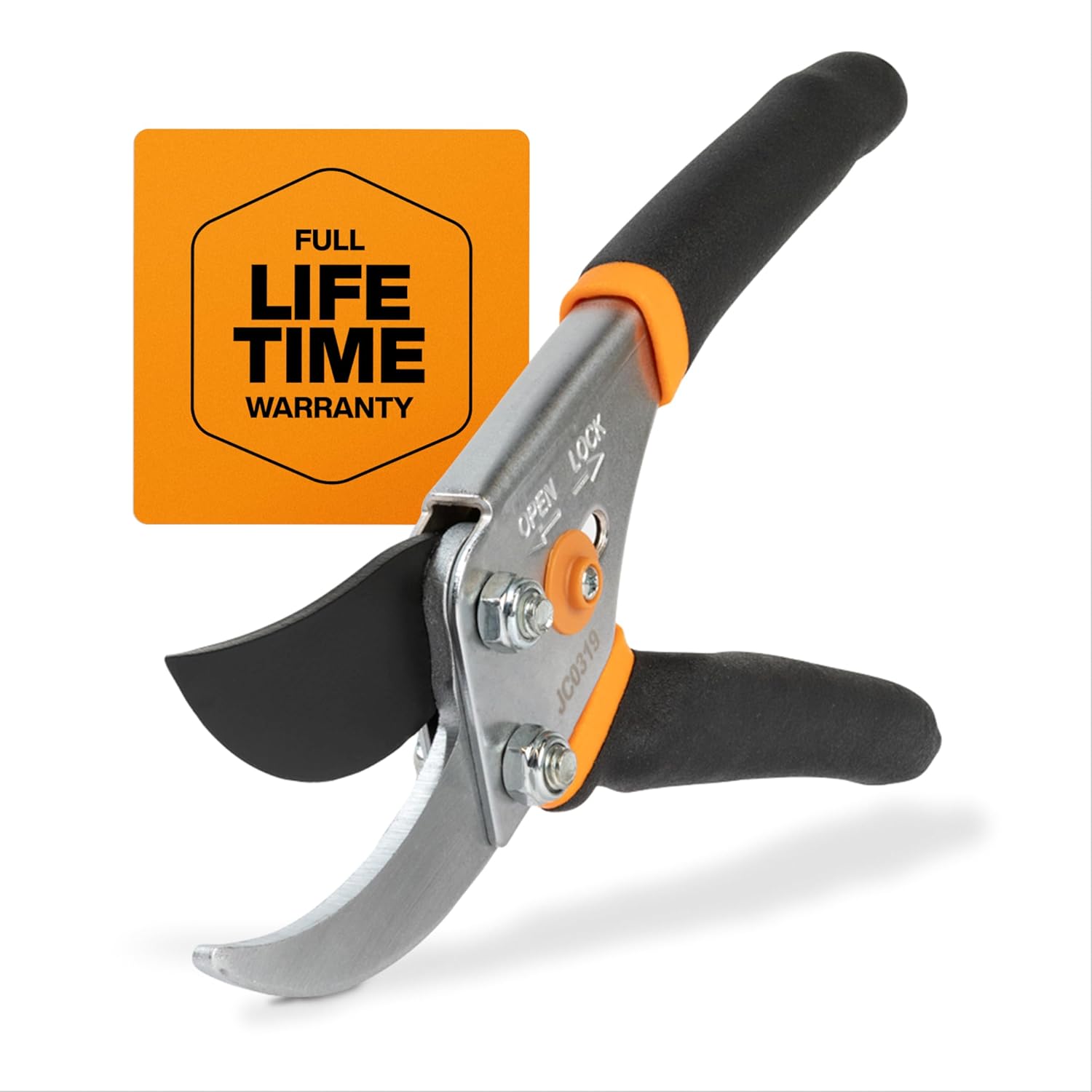
These bypass pruning shears have a 5/8-inch cut capacity, a self-cleaning sap groove, and a non-slip grip. Their steel blades use a low-friction coating for routine garden cutting. They suit trimming tasks when continued flowering depends on deadheading or cutting back suitable plants.
Check On AmazonIf you click this link and buy, we earn a commission at no additional cost to you.
Separate establishment needs from long-term tolerance
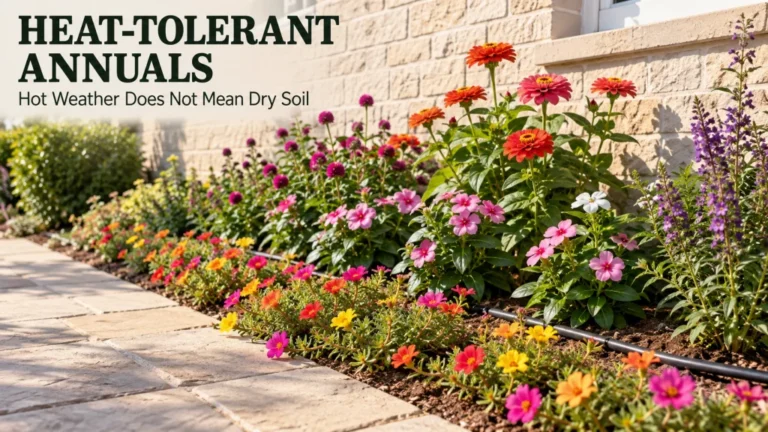
A plant described as drought tolerant can still need regular moisture while roots establish. Extension guidance on drought-tolerant annuals makes that distinction clearly, which matters because early stress can reduce growth before the plant has a chance to show its later-season strengths. The same logic applies to heat-tolerant annuals: tolerance does not mean a newly planted specimen can be ignored in hot, dry soil. Long performance starts with getting the plant established under conditions it can actually use.
After establishment, the maintenance question changes from keeping a new plant alive to maintaining enough growth for continued flowering. Soil moisture, container volume, weather, and plant size can all change how quickly the root zone dries, so a fixed watering schedule is not a reliable bloom-duration strategy. I would watch the plant and root-zone conditions rather than assume that a tolerance label removes the need to check moisture. That keeps the article focused on bloom selection while respecting the difference between plant capability and neglect.

This 15-inch metal watering wand offers 10 spray patterns and thumb flow control. It is designed for watering hanging baskets, shrubs, and other garden plants from a hose. The adjustable flow is useful during establishment when new annuals need regular moisture without treating drought tolerance as immediate.
Check On AmazonIf you click this link and buy, we earn a commission at no additional cost to you.
Check bloom window, mature habit, and recurring grooming before buying
A long flowering period is only useful if it overlaps the weeks when the space actually needs color. Check whether the exact type is described as cool-season, warm-season, or sensitive to prolonged heat, then compare that behavior with the local display window. Next, use the tag or seed information to confirm mature height and spread rather than judging size from a young plant at purchase time. These checks turn a vague promise of long bloom into a practical fit decision before the plant reaches the garden.
Then translate the plant’s care pattern into recurring work. If continued flowering depends on deadheading, pinching, or periodic trimming, decide whether that task fits the location and normal routine before buying. A high-visibility container near a doorway may justify more frequent attention than a large border that is checked less often. The issue is not whether grooming is good or bad, but whether the required frequency matches how the planting will actually be maintained.
Choose from a blooms-all-summer list first, then try to make the site and maintenance routine fit the plant.
Verify the local display window, site conditions, mature habit, and recurring grooming first, then keep only the annuals that fit all four.
This check is especially useful when two plants look equally attractive at purchase time. The better choice is often the one that still fits after height, spread, summer conditions, and grooming are considered. That is a more durable decision than choosing by bloom color alone. It also makes the likely maintenance burden visible before the plants are in the ground.
Treat resistance and low-maintenance labels as conditional, not guaranteed
Low-maintenance and resistance claims belong near the end of the decision, after site and season fit are already clear. Terms such as deer resistant, disease resistant, or problem resistant describe tendencies under stated conditions, not immunity from browsing, disease, or stress. Pressure can vary by location, weather, species, and cultivar, so a broad label should not carry more weight than exact plant information. For a bloom-duration choice, these claims are useful only when they help distinguish between candidates that already fit the garden.
I would verify what the label actually refers to before using it as a tiebreaker. A cultivar may be selected for a particular resistance trait without being lower maintenance in every other respect, and a plant promoted as easy care may still require routine attention in a demanding site. That keeps resistance and maintenance language in proportion instead of turning it into a promise of effortless flowering. The strongest shortlist still comes from matching documented plant behavior to the conditions and workload the gardener can provide.
Use broader annual flower guidance when the decision goes beyond bloom duration
Bloom duration is only one part of choosing annuals. Once the shortlist is narrow, the broader annual flower gardening guidance can help with plant-family decisions that go beyond this page, such as how annuals fit a bed, border, or seasonal planting plan. That keeps the current decision focused instead of turning one search for long color into a complete annual-growing manual. It also helps separate a bloom-duration question from other care questions that need their own evidence and context.
The handoff matters when the remaining choice is no longer about how long the plant can flower. If the real issue becomes cool-season timing, planting method, or a detailed deadheading routine, use guidance that owns that decision rather than stretching a bloom-selection article into every possible task. This approach keeps each recommendation easier to verify and easier to use. It also reduces the temptation to generalize one species or cultivar’s behavior across unrelated annuals.
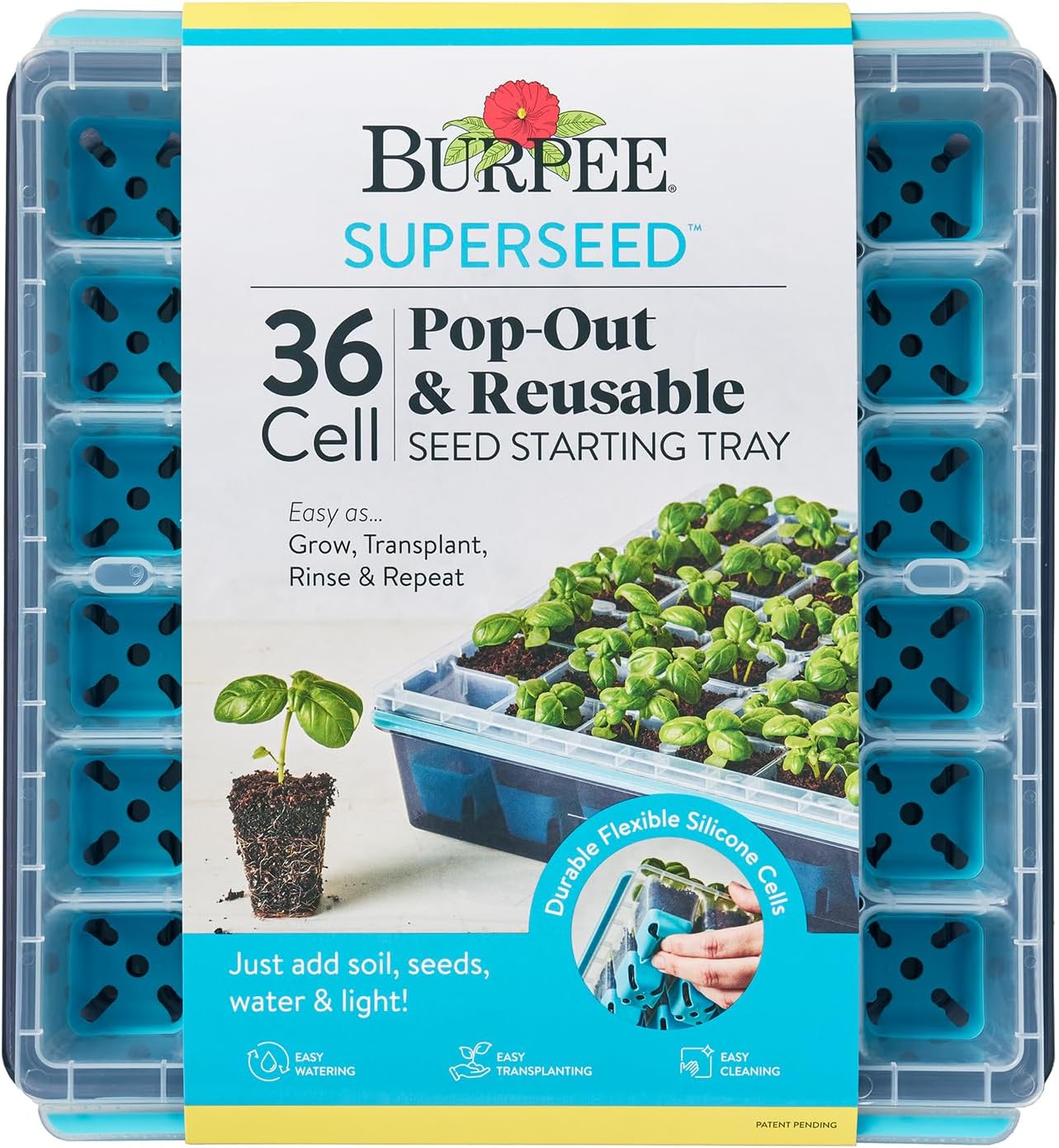
This reusable seed-starting tray has 36 cells and is designed for indoor seedlings. It provides a dedicated setup for starting annual flowers when planting method becomes part of the decision. The tray fits a broader annual-growing workflow beyond bloom-duration screening alone.
Check On AmazonIf you click this link and buy, we earn a commission at no additional cost to you.
Build the final shortlist from the strongest constraints first
Consider a sunny in-ground border where the goal is color through the hottest part of the local growing season, with moderate watering available but little interest in routine deadheading. The first filter removes cool-season annuals that are likely to fade in sustained summer heat, then removes plants that need more moisture than the site can reliably provide. The next filter favors documented self-cleaning or low-grooming behavior, followed by mature sizes that fit the border without repeated cutting back. Only after those steps would I compare flower color and form among the remaining candidates.
A different site can produce a different answer without either answer being wrong. In a cutting patch, repeated flower removal is already part of the use, so an annual that responds well to deadheading or cutting can stay on the shortlist even if it would be too much work in a front border. In a container, root volume and drying rate move higher on the list of constraints, and mature spread matters because neighboring plants share limited space. The same decision method adapts without pretending that one flower list fits every U.S. garden.
Key point: Start with the conditions that can disqualify a plant, then compare the traits that can improve the display. A candidate that fails the site, season, or maintenance test should not be rescued by a pretty flower photo. A candidate that passes those filters deserves a closer look at exact species or cultivar behavior. That sequence turns a generic list into a useful shortlist.
Final Thoughts: Choose for your season, not the promise
The most useful long blooming annuals are the ones whose flowering behavior lines up with the garden’s real conditions. Start with light, moisture, climate, mature space, and the maintenance you are genuinely willing to repeat. Then compare whether the plant is self-cleaning, responds to deadheading or trimming, and stays productive through the part of the season that matters most. That sequence is more reliable than treating blooms all summer as a universal plant trait.
Before buying, verify the exact plant label or reliable horticultural information for the species or cultivar in front of you. If a candidate only works after several site compromises, remove it from the shortlist instead of planning to compensate later. A smaller group of well-matched annuals is easier to care for and easier to judge through the season. Long color comes from fit plus plant behavior, not from the label alone.

This set includes 300 white 4-inch waterproof plastic plant labels and a marker pen. The labels provide space to identify seedlings and garden plants by name. That can help keep exact species or cultivar information attached to plants selected for a long-season display.
Check On AmazonIf you click this link and buy, we earn a commission at no additional cost to you.
FAQs
🌼 What annual flowers bloom for the longest time?
There is no single longest-blooming annual for every garden. The useful choice is a species or cultivar that matches your light, moisture, temperature pattern, and maintenance routine, then continues flowering under those conditions.
☀️ Do annuals that bloom all summer need full sun?
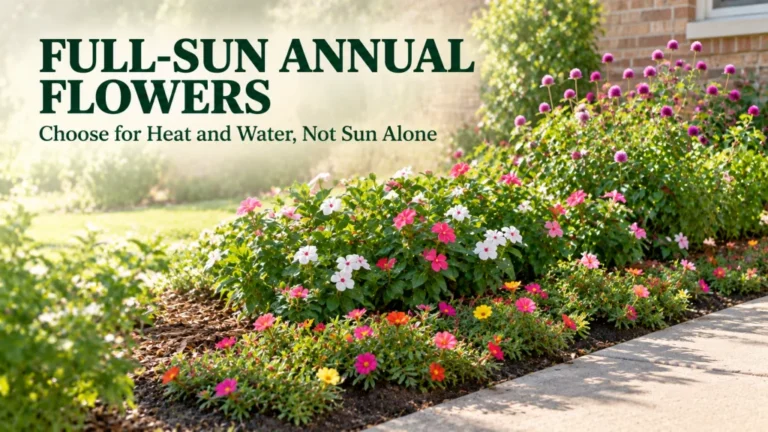
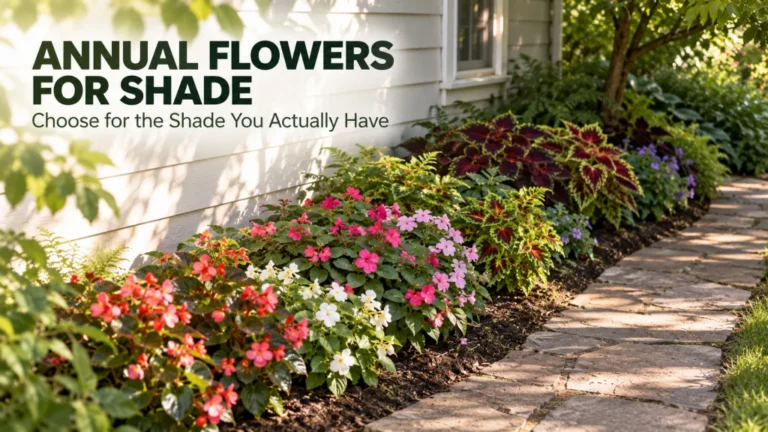
Many popular summer annuals flower best in full sun, but shade-tolerant annuals are available for lower-light sites. Match the plant to the light you actually have instead of moving a sun-loving plant into shade and expecting the same bloom level.
✂️ Do I have to deadhead long blooming annuals?
Not always. Some annuals are relatively self-cleaning, while others benefit from removing spent blooms, so check the behavior of the exact species or cultivar rather than assuming one rule applies to all annuals.
🔥 Why do some annuals stop flowering in hot weather?
Some annuals are better adapted to cool conditions and can decline as summer heat intensifies, while warm-season types may perform better then. Water stress, poor site fit, and the plant’s own temperature preference can all affect flowering, so heat alone should not be treated as the only cause.
💧 Are drought-tolerant annuals low maintenance from the day I plant them?
No. Drought-tolerant annuals still need enough moisture to establish their roots, and they may need supplemental water during extended dry periods even after establishment.
References and Sources
Annual flowering behavior should be read as condition-specific guidance. A source can describe a species or care practice, but it cannot guarantee the same display in every yard. Local heat, rainfall, soil, exposure, and cultivar can change performance. Use the references below to verify the general principles, then match the exact plant to local conditions.
Plant labels can add cultivar-specific details that broad references cannot supply. Local Extension guidance can help when regional climate or a recurring problem changes the decision. When a label and a general list disagree, prefer the source that is specific to the exact plant and condition. That keeps bloom-duration claims tied to evidence rather than to a blanket promise.
- Illinois Extension, Caring for Annuals: Supports the distinctions between deadheading, self-cleaning annuals, pinching, and continued flowering.
- UConn Home Garden Education Center, Annuals: Supports cool-season and warm-season differences, watering needs, deadheading, and self-cleaning behavior.
- Iowa State University Extension, Drought-Tolerant Annuals: Supports the distinction between establishment watering and later drought tolerance.
- Purdue Extension, Growing Annual Flowers: Supports site selection, seasonal differences among annuals, and the role of pinching in continued flowering.