How much to plant per person when household size is not enough
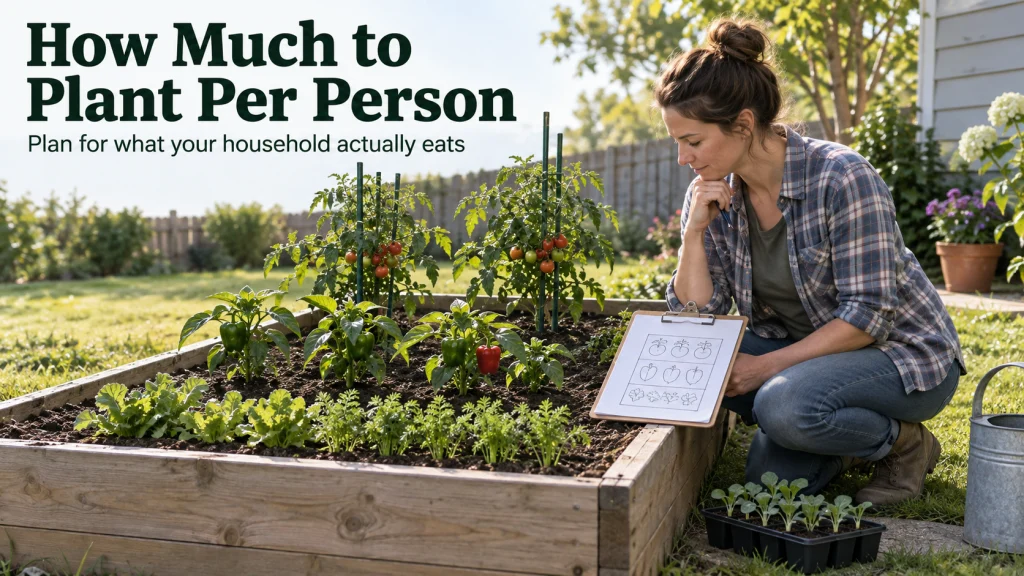
How Much To Plant Per Person

Plants per person tables are useful starting points, but household size alone cannot tell you how much of each vegetable belongs in a home garden. The better method is to begin with what the household actually eats, separate fresh use from preserving or storage goals, then account for harvest pattern, repeat sowings, and the space
What vegetables to grow when every crop has to earn space

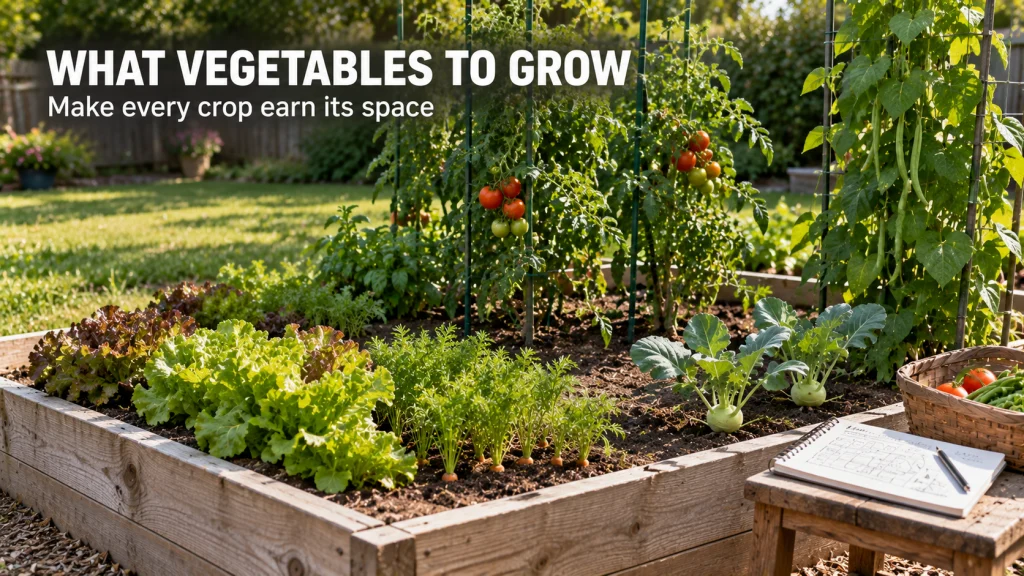
What Vegetables To Grow

Choosing what vegetables to grow is easier when every crop has to justify the space it will occupy. Start with food your household will actually use, then filter the list by local season, mature footprint, support needs, time to production, care burden, and how you expect to use the harvest. The right shortlist changes with

The air is warm. Is the ground? Soil temperature for planting

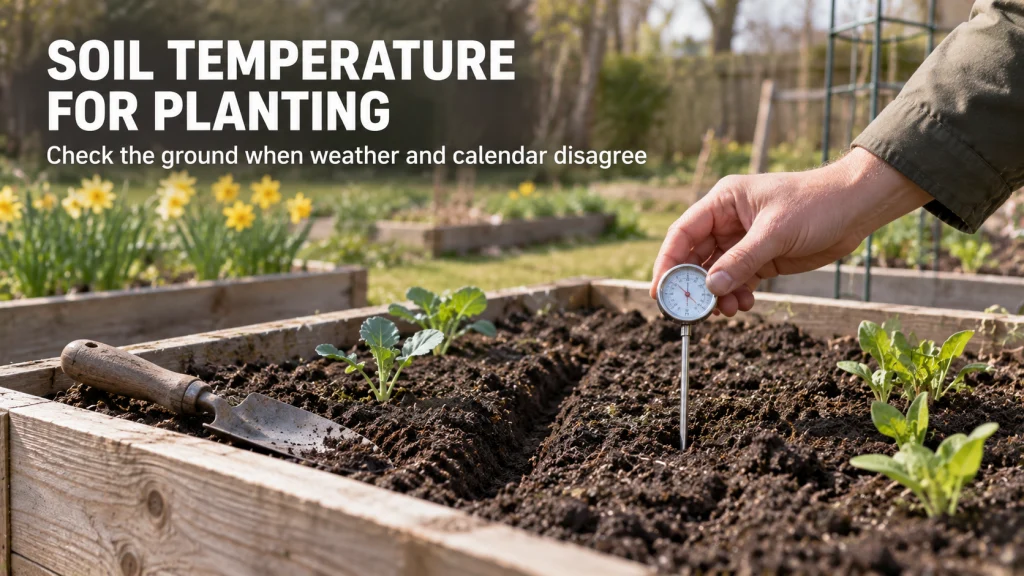
Soil Temperature For Planting

Soil temperature for planting is useful when the calendar, the forecast, and the ground are giving you different signals. Warm air can arrive while the root zone is still cool, so a planting decision should account for where a seed or transplant will actually meet the soil. The practical approach is to measure at a

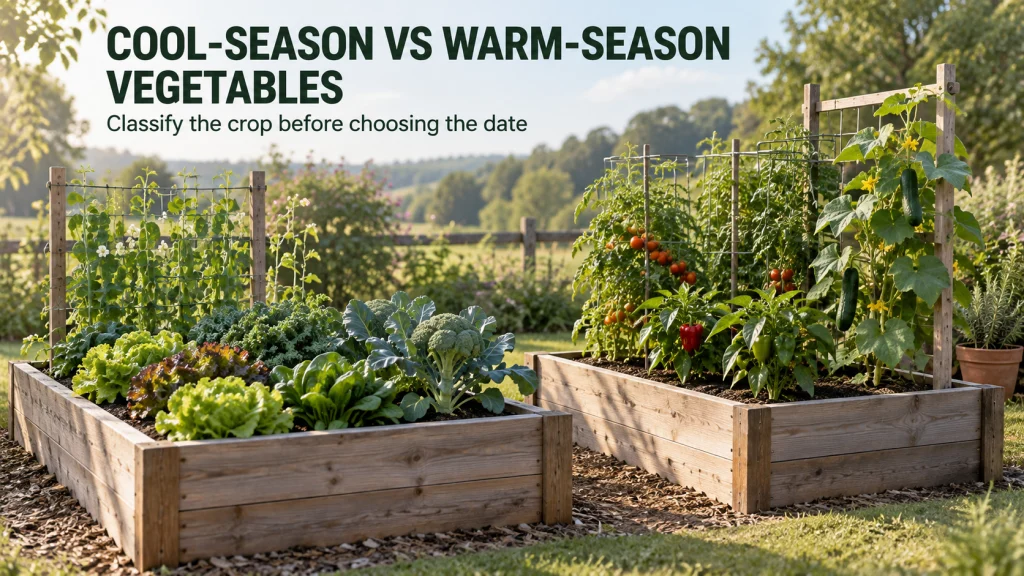
Cool-season vs warm-season vegetables before the calendar

Cool Season Vs Warm Season Vegetables

Cool-season and warm-season vegetables belong in different parts of a garden plan because they respond differently to cold, heat, and frost risk. Cool-season crops can use colder parts of the growing year, while warm-season crops need the frost risk to pass and enough warmth for active growth. That classification helps place crops on a planting

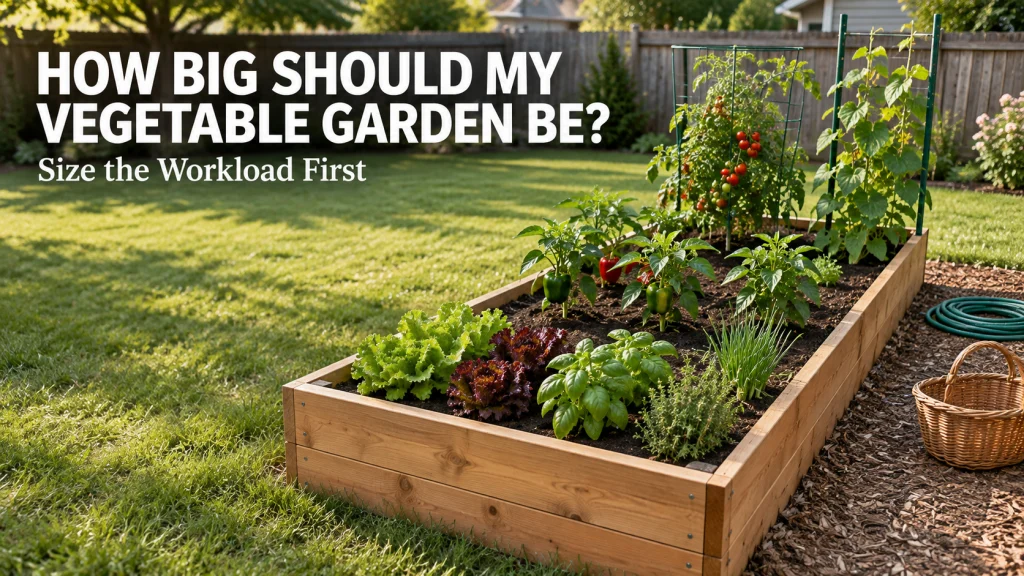
How big should my vegetable garden be? Size the workload first

How Big Should My Vegetable Garden Be

A vegetable garden should be sized around the work you can repeat, the crops you actually want to grow, and the access space needed to care for them. A modest first garden can be more productive and easier to learn from than a larger plot that becomes difficult to weed, water, support, and harvest. Crop

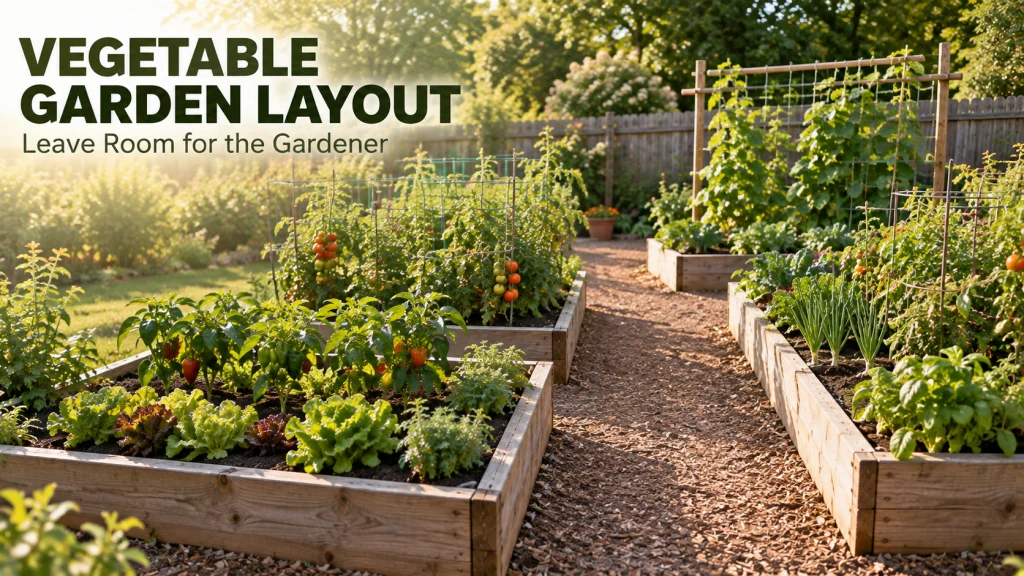
A vegetable garden layout that still works in midsummer

Vegetable Garden Layout

A useful vegetable garden layout starts by subtracting the space needed for walking, reaching, turning, harvesting, and carrying tools before crops are placed. Rows, wide rows, blocks, and multiple plots can all work, but each trades planting density against access and maintenance in a different way. Tall crops and trellises should be positioned with their

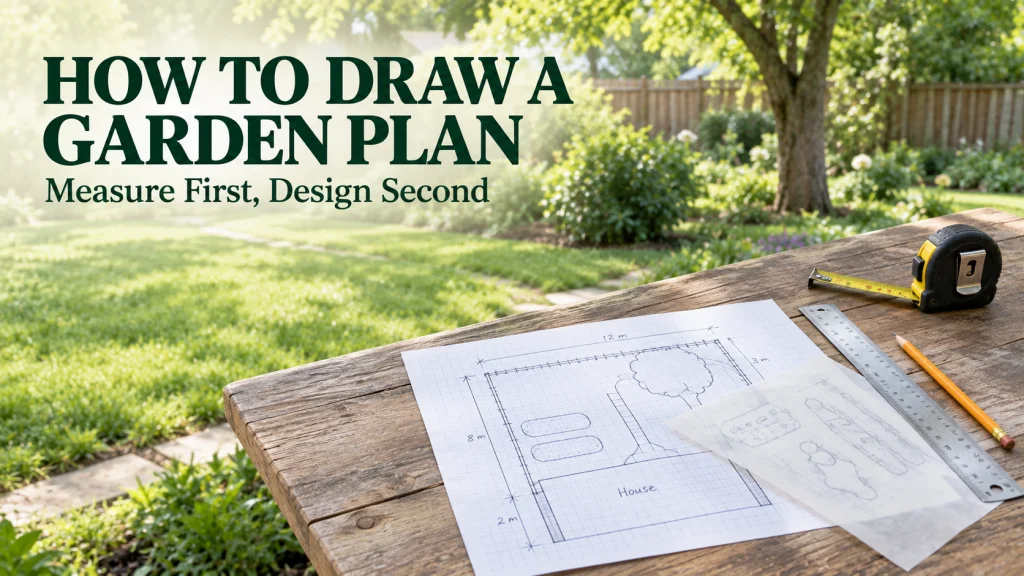
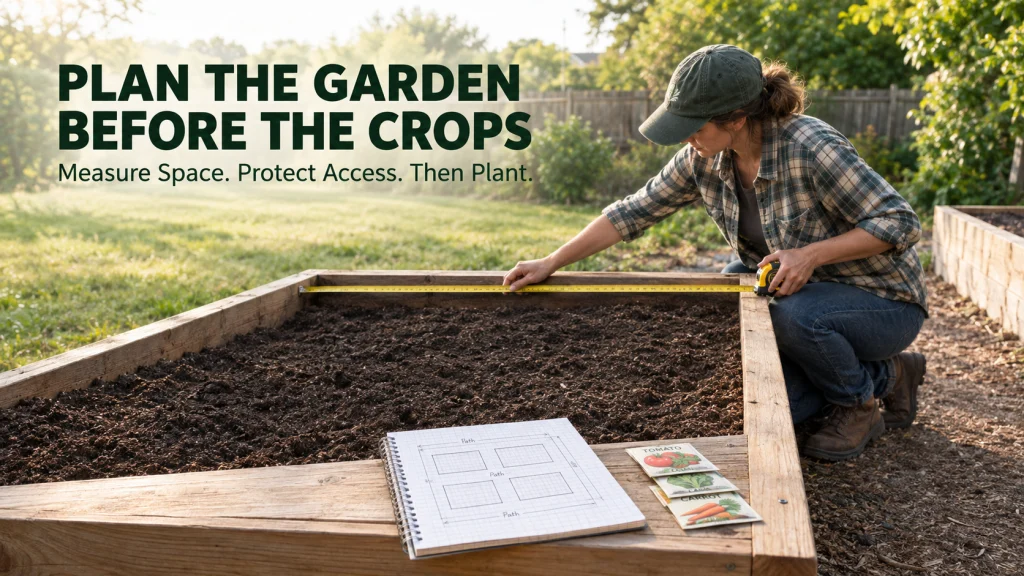
Measure first when you draw a garden plan

How To Draw A Garden Plan

A useful garden plan starts with measurements, fixed reference points, and a base map that reflects the space you actually have. The goal is not artistic perfection, but a dependable drawing that shows boundaries, buildings, trees, paths, and other features before planting ideas are added. Irregular edges can be handled with repeatable measurements, while a

Garden planning that makes the space earn its place

Garden Planning

A useful garden plan starts with fixed facts about the space, then adds crops, timing, spacing, access, and workload in that order. The goal is not to make every seed packet fit, but to make the garden workable through planting, maintenance, harvest, and seasonal change. Local climate, crop requirements, soil conditions, and the amount of