Latitude comes before variety: short-day vs long-day onions
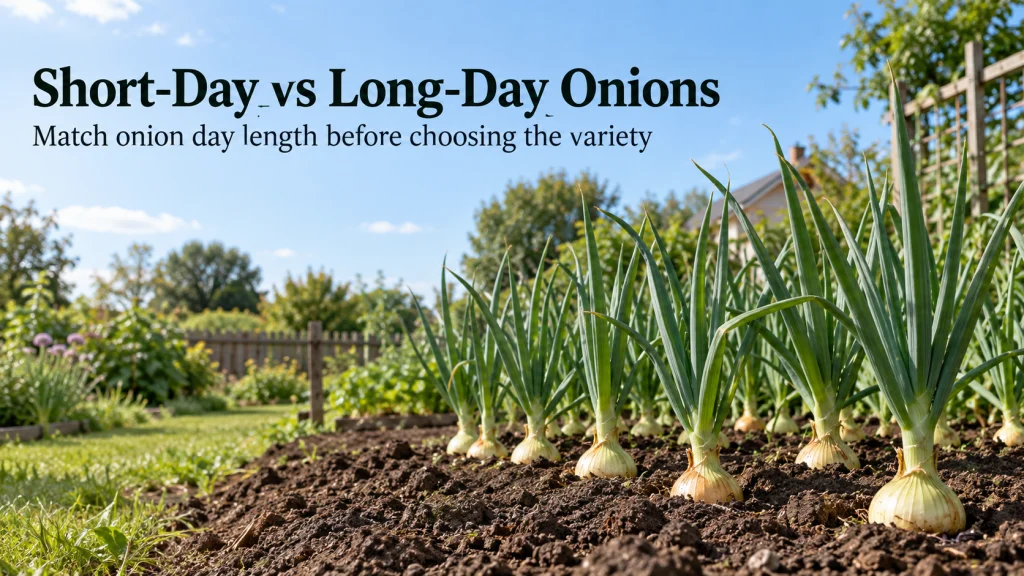
Short Day Vs Long Day Onions

Choosing an onion for bulb production starts with day length, not bulb color, sweetness, or a catalog photo. Short-day, intermediate-day, and long-day onions begin bulbing under different photoperiod conditions, so the right class depends on how seasonal daylight behaves where the garden is located. Latitude is a useful first screen, but regional guidance and the
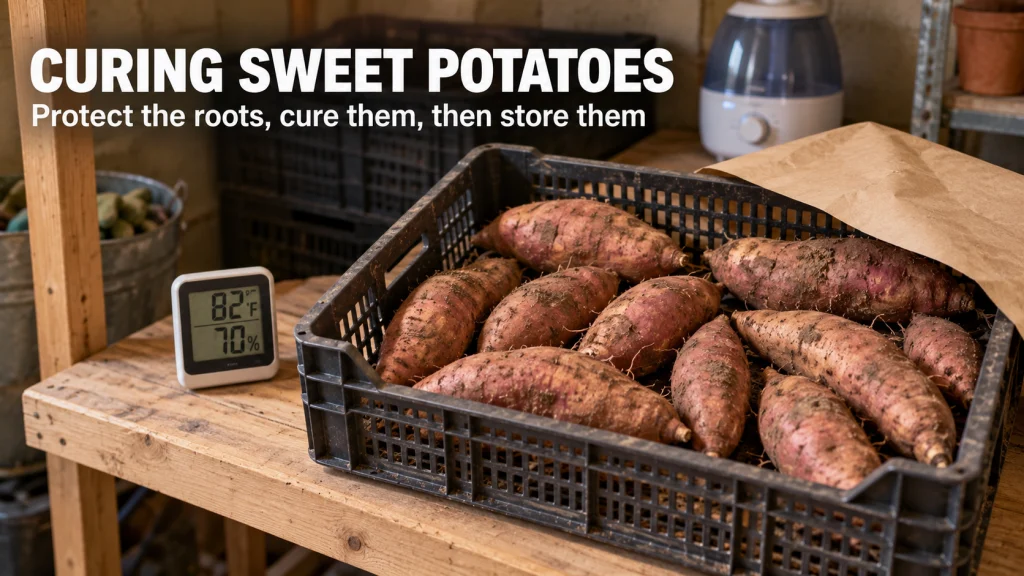
The harvest is not finished yet: curing sweet potatoes

Curing Sweet Potatoes

Curing sweet potatoes is the post-harvest step that helps sound roots heal minor harvest wounds and develop better storage quality before they are moved to cooler conditions. The key is to handle freshly dug roots gently, keep them warm and humid with ventilation for the curing period, and avoid treating curing and storage as the

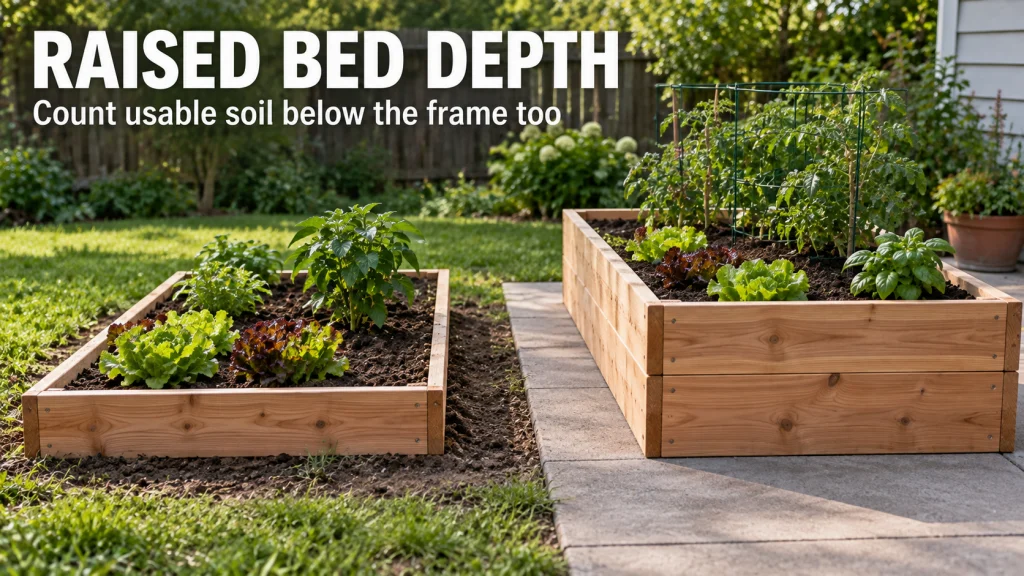
How deep should a raised garden bed be? Count the soil below it too

How Deep Should A Raised Garden Bed Be

Raised bed depth is not just the height of the frame. An open-bottom bed over healthy, loosened soil may give roots usable space below the boards, while a bed on concrete or another hard surface must provide its full root zone inside the bed. Crop needs, the condition of the soil underneath, room left for

The mound protects more than it looks: hilling potatoes

Hilling Potatoes

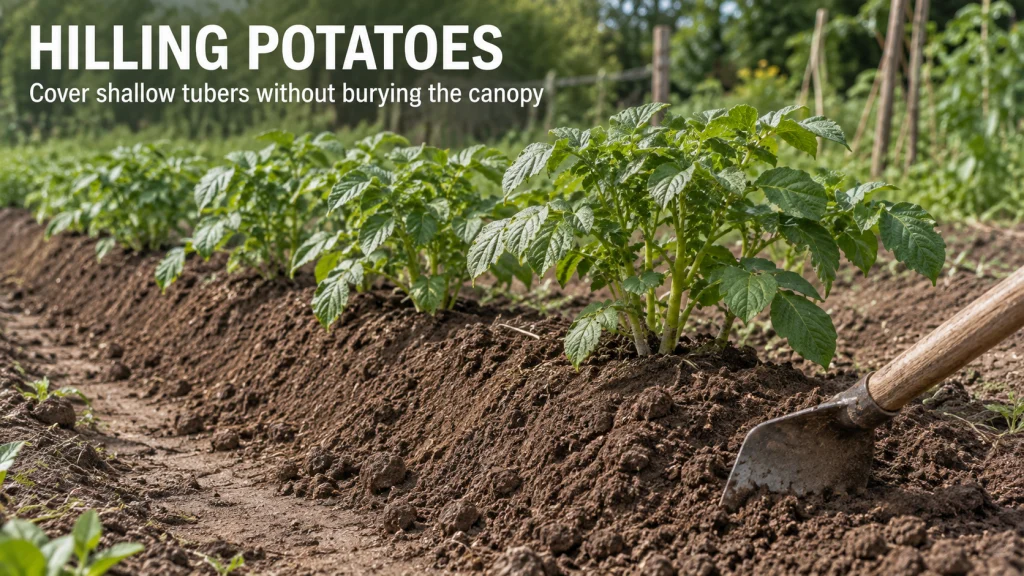
Hilling potatoes is mainly a coverage job: keep shallow developing tubers protected from light while leaving enough active foliage above the soil to keep the plant working. A useful first cue is established stem growth, then later passes should depend on whether the ridge has settled, washed down, or allowed tubers to approach the surface.

Cool-season vs warm-season vegetables before the calendar

Cool Season Vs Warm Season Vegetables

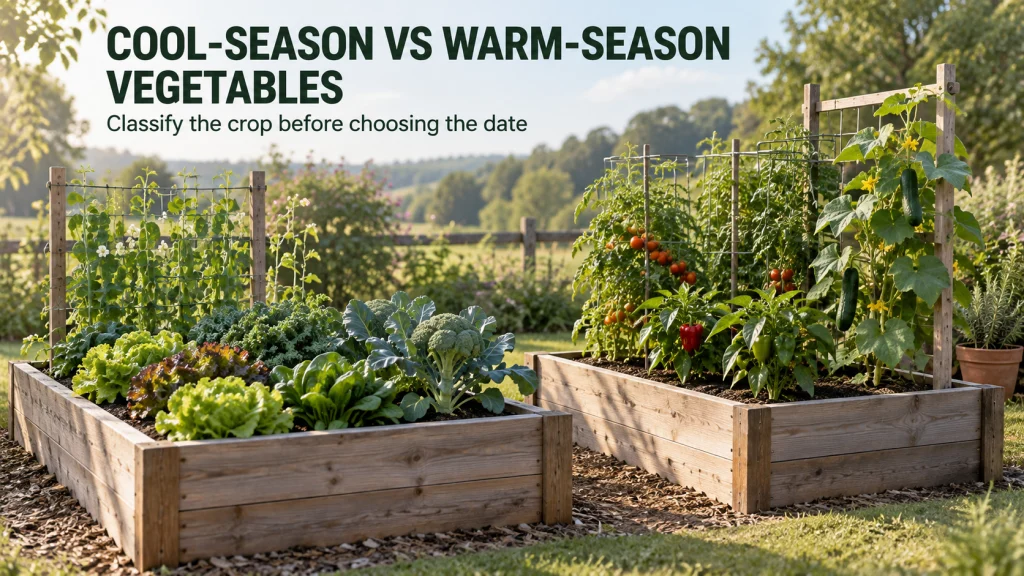
Cool-season and warm-season vegetables belong in different parts of a garden plan because they respond differently to cold, heat, and frost risk. Cool-season crops can use colder parts of the growing year, while warm-season crops need the frost risk to pass and enough warmth for active growth. That classification helps place crops on a planting

What size raised bed do I need? Size reach, root depth and soil bill together

What Size Raised Bed Do I Need

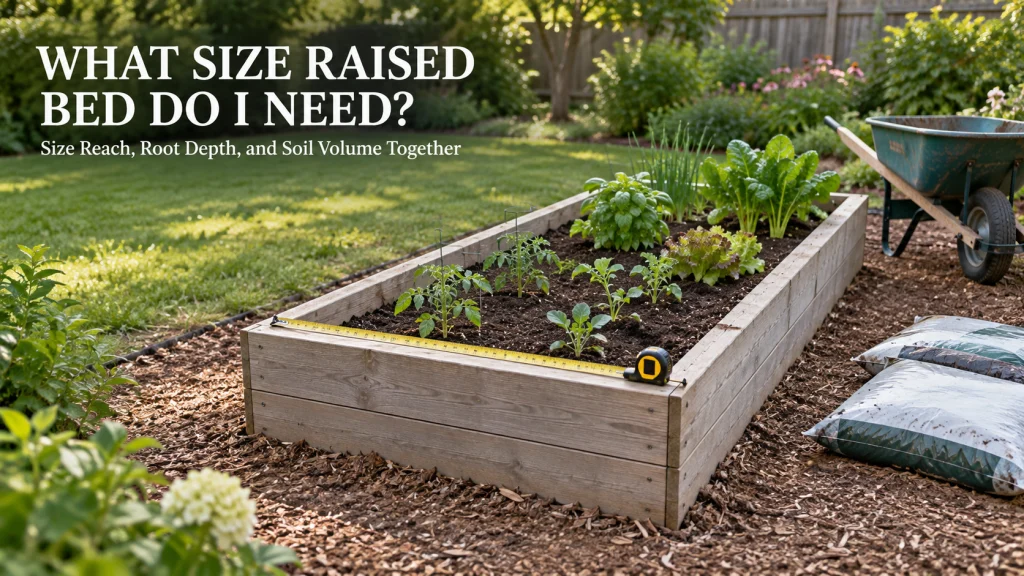
A useful raised bed size is not just a footprint such as 4 by 8 feet. Width should come from how many sides you can reach, length should fit the site and work route, and wall height should be separated from the total rootable depth available to plants. Beds on usable soil can let roots

Raised bed vs container garden: open bottom or closed root zone

Raised Bed Vs Container Garden

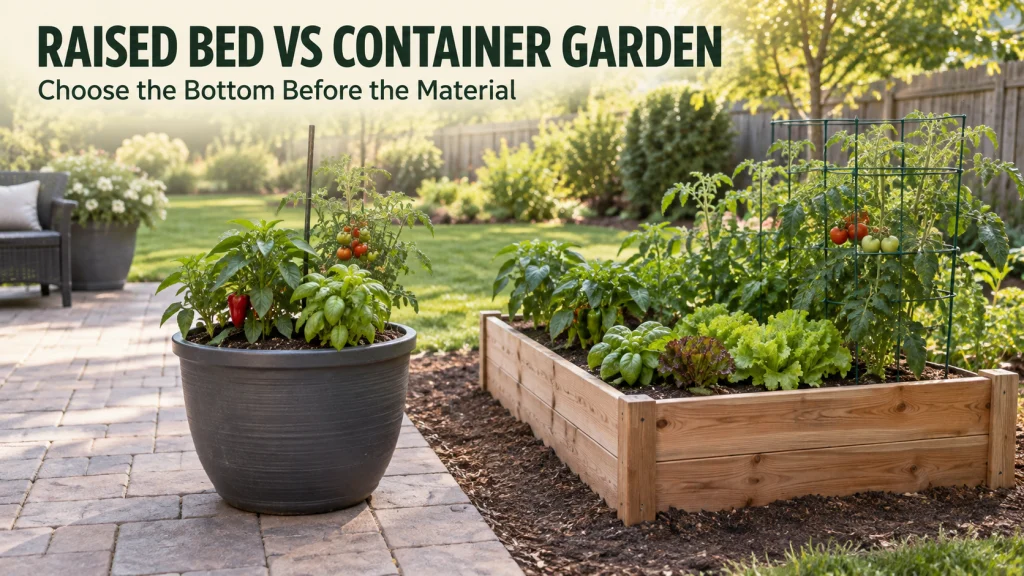
A raised bed and a container can sit at the same height and still create very different root zones. The most useful distinction is whether roots can continue into the ground below or remain inside a closed volume of growing media. That difference affects rootable depth, portability, watering margin, fill volume, stability, and how permanent

Let the vines run or go vertical? Cucumber trellis decisions

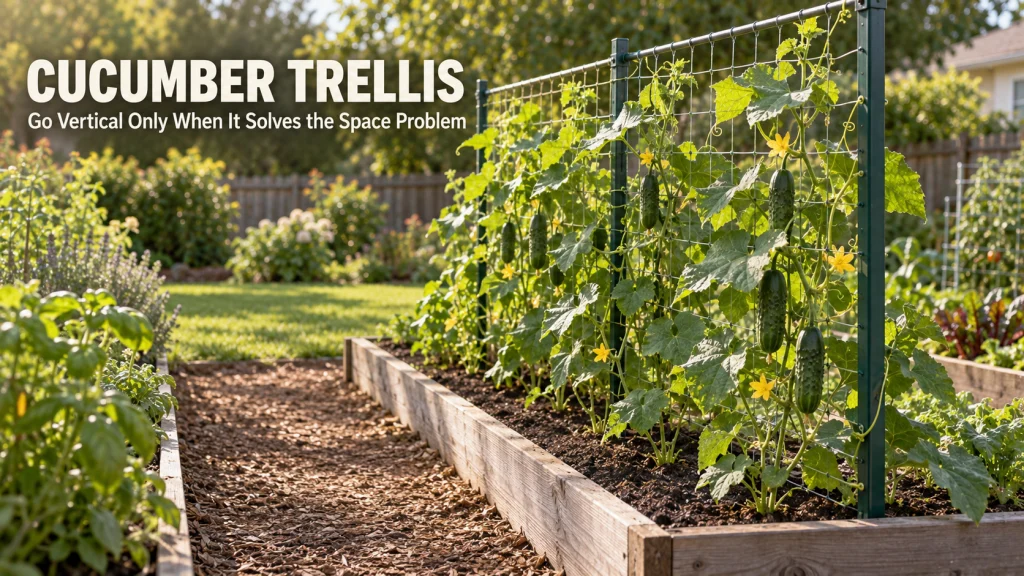
Cucumber Trellis

A cucumber trellis is useful when it solves a real space or harvest-access problem for a vining cultivar, not simply because cucumbers are commonly shown climbing. Compact bush types may fit the available bed without vertical support, while vigorous vines can occupy much more ground if they are allowed to run. The practical decision is

A vegetable garden layout that still works in midsummer

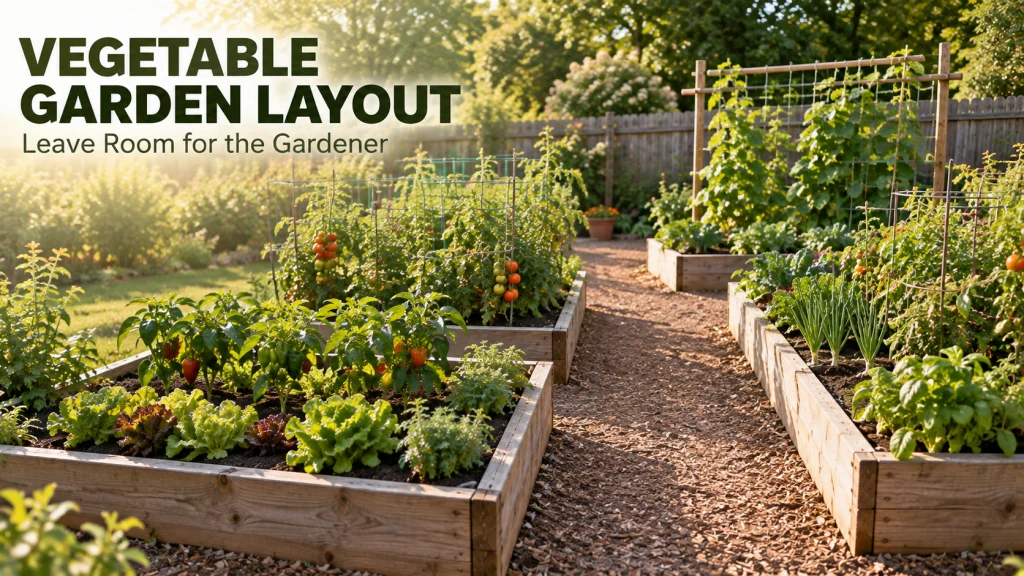
Vegetable Garden Layout

A useful vegetable garden layout starts by subtracting the space needed for walking, reaching, turning, harvesting, and carrying tools before crops are placed. Rows, wide rows, blocks, and multiple plots can all work, but each trades planting density against access and maintenance in a different way. Tall crops and trellises should be positioned with their

Vegetable gardening begins where the generic garden checklist ends

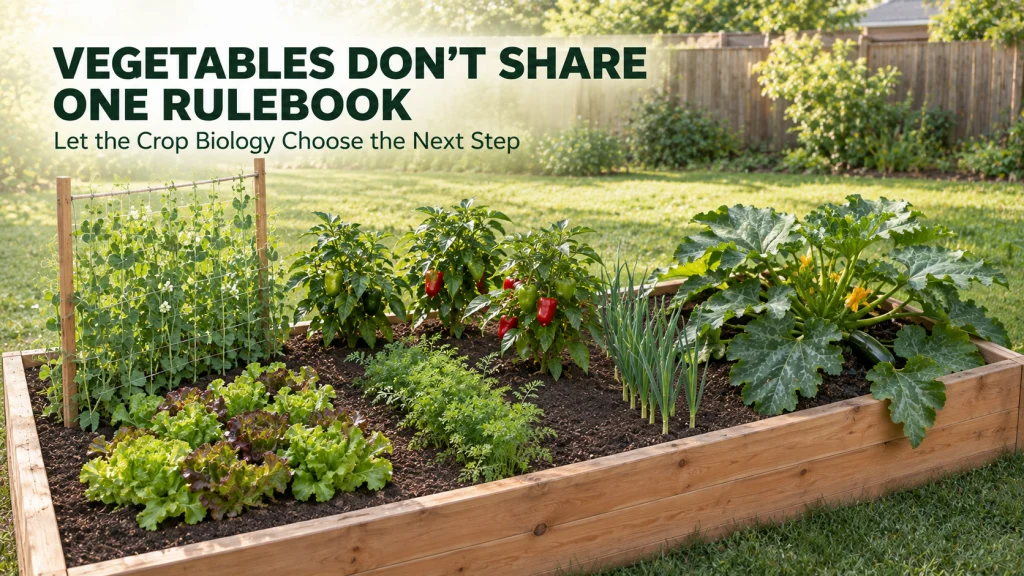
Vegetable Gardening

Vegetable gardening becomes easier to manage once you stop treating every crop as if it follows the same instructions. Sort each crop by season, establishment method, mature habit, and harvest pattern, then move to guidance that matches that biology. Roots, leaves, legumes, fruiting crops, and long-season vegetables can share one bed while demanding different decisions.