Vegetable gardening becomes easier to manage once you stop treating every crop as if it follows the same instructions. Sort each crop by season, establishment method, mature habit, and harvest pattern, then move to guidance that matches that biology. Roots, leaves, legumes, fruiting crops, and long-season vegetables can share one bed while demanding different decisions. This guide identifies the next constraint without turning those differences into a national planting checklist.
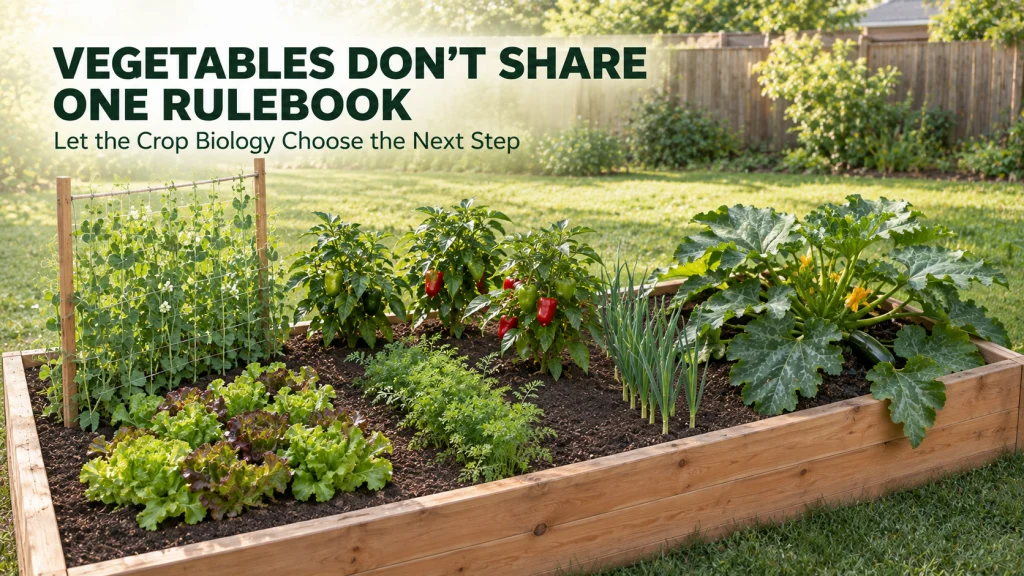
One vegetable garden can contain several growing systems
Vegetable gardening can put carrots, lettuce, peas, peppers, squash, and garlic within a few steps of one another, but proximity does not make their biology interchangeable. A root crop can be limited by crowding below-ground while a climbing legume is limited by support, and a warm-season fruiting crop may simply need more heat and season length than either one. That is why a single instruction such as plant, water, fertilize, and harvest is too broad to guide the next decision. The crop already in front of you should determine which question comes next.
The practical shift is from asking how to care for vegetables in general to asking what kind of vegetable you are dealing with. Seasonal class points to suitable conditions, establishment method shows whether direct sowing or transplanting matters, mature habit shows how the plant occupies space, and harvest pattern shapes later maintenance. These categories do not replace local guidance. They keep you from applying advice to the wrong plant.

This elevated steel planter creates a contained growing area for vegetables, herbs, and flowers. Two wheels and an ergonomic handle let the bed be repositioned as light or access needs change. Built-in drainage and a lower shelf add practical support for a small mixed-crop setup.
Check On AmazonIf you click this link and buy, we earn a commission at no additional cost to you.
Start with the crop already chosen in the garden plan
If you are still deciding whether your food garden should center on vegetables, herbs, berries, or fruit, start with the broader edible gardening guide. Once the crop list is settled, this page has a narrower job: route each vegetable toward the care issue most likely to change the outcome. That keeps planning decisions from being repeated after planting has already begun. It also prevents a crop-specific problem from being buried under generic advice that the gardener has already followed.
For each crop, look at four things before reaching for a calendar or care rule. Identify whether it prefers cooler or warmer growing conditions, how it is established, how it occupies space at maturity, and whether harvest happens once or repeatedly. Those checks do not answer every growing question. They tell you which question is worth answering first.
Vegetable decision map: move through these four checks in order, then follow the route that exposes the first real constraint for the crop in front of you.
| Decision check | What to ask | Where it routes you next |
|---|---|---|
| Seasonal class | Is this primarily a cool-season crop, a warm-season crop, or a crop whose behavior changes sharply with heat? | Check local planting conditions, heat response, frost sensitivity, and whether the crop has enough suitable weather to finish. |
| Establishment | Is it direct-sown, transplanted, planted from vegetative material, or maintained as an established perennial? | Focus on emergence, transplant establishment, thinning, planting material, or long-term site commitment. |
| Mature habit | Does it stay compact, grow upright, vine, sprawl, or require dedicated support? | Check access, support, neighboring crop interference, and whether the planned space still fits the plant. |
| Harvest pattern | Is there one main harvest, repeated picking, staged maturity, or a harvest window defined by crop-specific maturity signs? | Choose the harvest guide or maintenance rhythm that matches how quickly usable maturity changes. |
A beginner often gets better results by making these distinctions before adding more inputs. A crowded carrot row does not become a tomato problem because both plants are vegetables, and a pea support question is not solved by the same step used for bush beans. If the first meaningful constraint is heat, thinning, support, bolting, pollination, or maturity, follow that route instead of restarting with another general checklist. The map is meant to expose the next decision, not create one recipe for every crop.
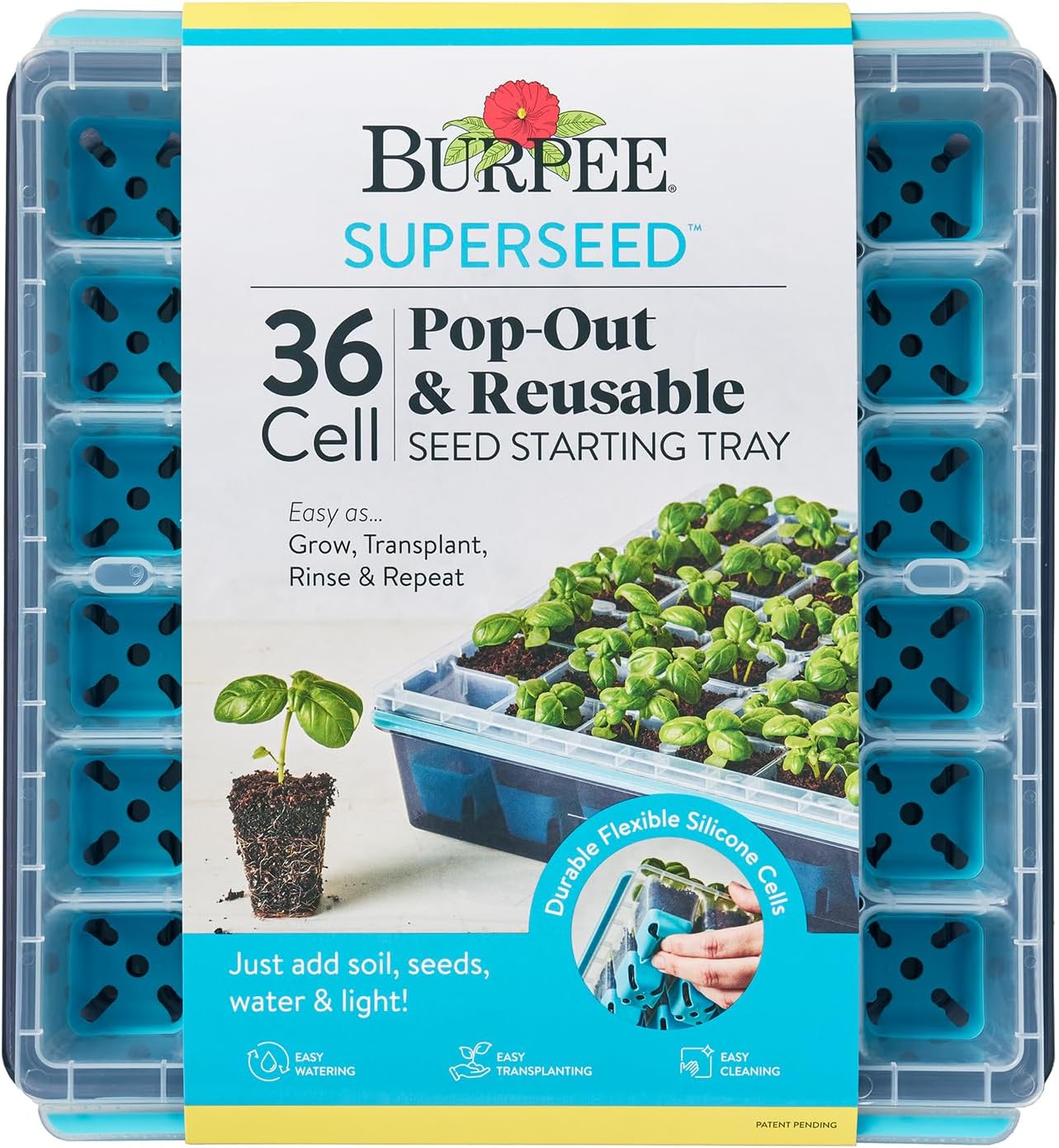
This reusable tray has 36 cells for starting vegetable, flower, and herb seeds indoors. Flexible cells are designed to release seedlings with less disturbance when transplanting. It fits the section because establishment method is one of the first crop-specific decisions after the crop list is chosen.
Check On AmazonIf you click this link and buy, we earn a commission at no additional cost to you.
Separate cool-season and warm-season vegetables before using exact dates
Cool season and warm-season are better starting categories than a national calendar because local conditions change the usable planting window. Lettuce, peas, carrots, spinach, and many brassicas are commonly managed as cool-season crops, while peppers, eggplant, cucumbers, squash, okra, and melons need warmer conditions. The distinction affects germination, transplant stress, bolting risk, frost sensitivity, and whether a crop has enough suitable weather to finish. It does not mean every crop within a seasonal group wants identical conditions.
Use the seasonal class to decide which local information to check next, not to invent a universal planting date. Regional Extension guidance, local frost patterns, soil conditions, and the crop itself should narrow the timing from there. This matters especially in places with mild winters, short summers, or long hot periods, where the familiar spring versus summer sequence may not fit neatly. A vegetable garden guide is most useful when it tells you what variable controls timing rather than pretending the same calendar works everywhere.
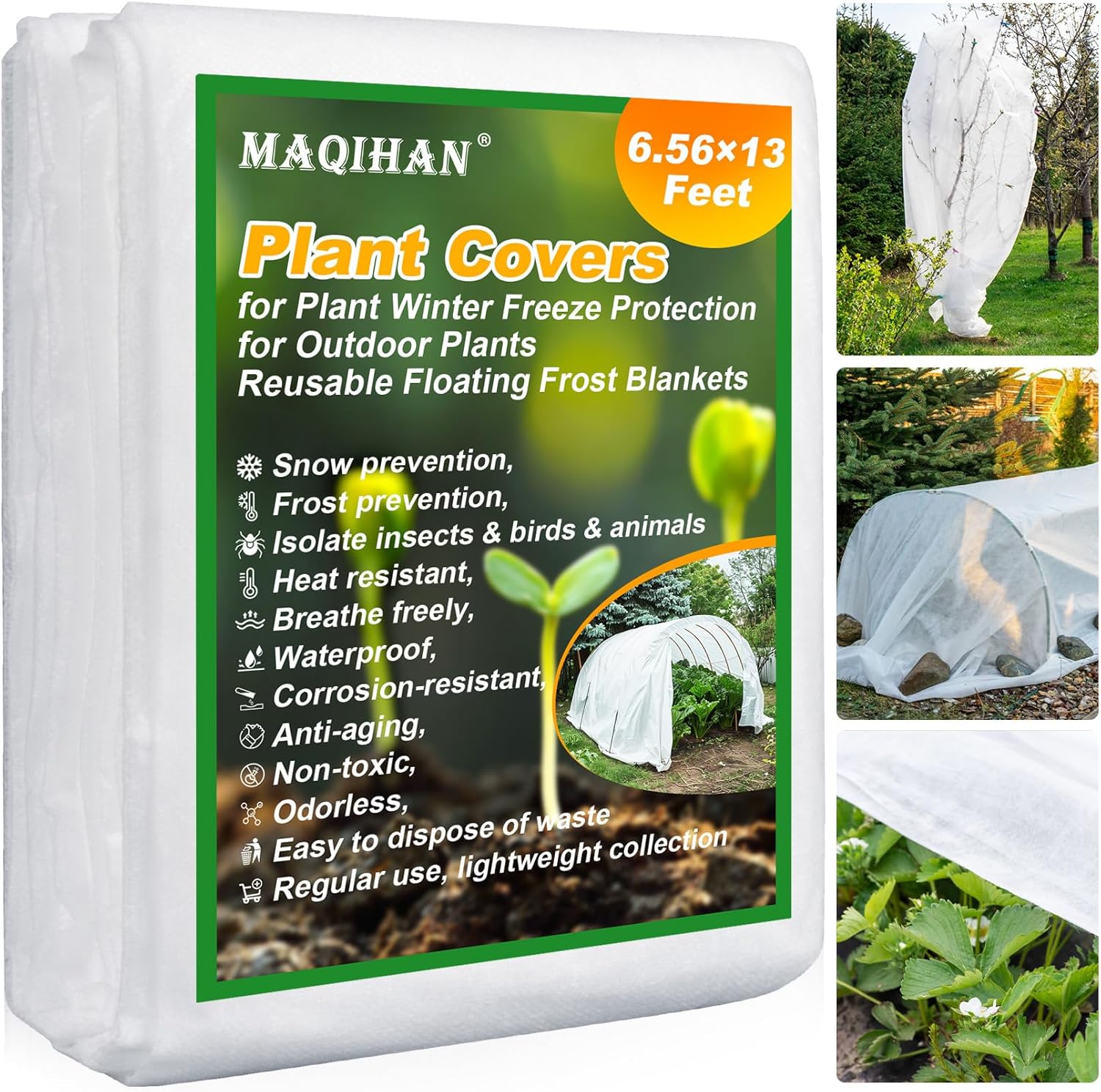
This nonwoven floating row cover measures 6.5 by 13 feet and is designed for outdoor plant protection in cold weather. It can be placed over a garden row when frost protection is appropriate for the crop. The product supports season management without turning a broad calendar into a universal planting date.
Check On AmazonIf you click this link and buy, we earn a commission at no additional cost to you.
Root and bulb crops make seedbed and thinning unusually visible
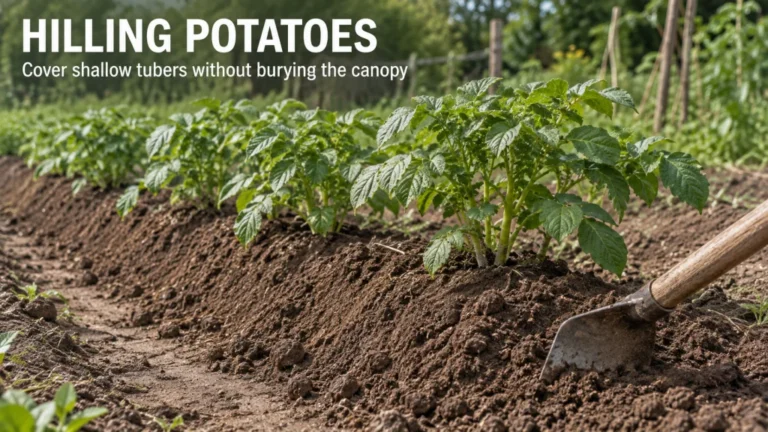
Carrots, radishes, beets, onions, garlic, and potatoes all put an edible structure at or below the soil line, but they do not form it in the same way. For direct-sown roots such as carrots and radishes, emergence and early spacing quickly become visible constraints because crowded seedlings compete where the harvest is developing. Beets add another wrinkle because what looks like one seed can produce more than one seedling, while onions and garlic have their own bulb development and maturity cues. Potatoes are different again because hilling and tuber development create a separate management path.
The useful question is not whether root crops need more fertilizer or more water than other vegetables. It is whether establishment, soil physical condition, thinning, bulbing, hilling, or maturity is the current limiting step for that crop. That distinction keeps a gardener from treating every below-ground harvest as one category with one recipe. Once the issue is clear, the detailed guidance can handle it without turning this page into a master spacing chart.

This hand trowel uses a heavy-duty cast aluminum head for digging and planting in beds and pots. Its ergonomic comfort-grip handle is designed for controlled hand work close to the soil. It is a practical fit for setting bulbs, opening planting holes, and making small soil adjustments around root-crop rows.
Check On AmazonIf you click this link and buy, we earn a commission at no additional cost to you.
Leaf crops reward repeated harvest but react quickly to heat
Lettuce, spinach, bok choy, and other leafy vegetables are often grown for tender vegetative growth rather than a mature fruit or storage organ. That makes harvest rhythm and temperature response unusually important because a plant can move from useful leaves toward flowering before a gardener expects it. Bolting is not one universal event with one universal fix, since species, variety, day length, temperature, plant stress, and maturity can all matter. The practical route is to identify the crop first and then check the conditions that commonly push that crop out of its leafy stage.
Leaf crops also differ in how they can be harvested. Some are suited to repeated outer leaf picking, some are cut as a head or rosette, and some can regrow after a partial cut when conditions remain favorable. That maintenance pattern changes how many plants a household needs and how often the bed should be checked. It also explains why a harvest guide can be more useful than another generic care checklist once the plants are established.

These 6-inch garden scissors use stainless steel micro-tip blades for precise cuts on small plants, herbs, and stems. The easy-action spring reduces repeated hand opening during multiple cuts, and the tool includes a sheath. It suits leaf-by-leaf and cut harvest tasks where a compact cutting tool is useful.
Check On AmazonIf you click this link and buy, we earn a commission at no additional cost to you.
Fruiting warm-season crops need heat, pollination, and enough time to finish
Peppers, eggplant, cucumbers, squash, melons, tomatillos, okra, and other fruiting warm-season crops ask a different set of questions from a row of radishes. They need suitable warmth for growth, but the gardener also has to think about flowering, pollination, fruit set, fruit development, plant habit, and the maturity signs that define a usable harvest. Pollination is not the same across this group, so a single instruction to attract pollinators or hand pollinate everything would be misleading. The crop and its flower biology decide whether pollination is likely to be a central management issue.
Season length matters because the harvest comes after a chain of vegetative growth, flowering, fruit set, and development. A crop that is technically alive may still be poorly matched to a site if the suitable growing period is too short for the stage the gardener wants to harvest. That is why warm-season routing should combine climate fit with harvest timing rather than focus only on the first safe planting opportunity. Tomatoes have enough management depth to deserve their own growing guidance rather than being compressed into a paragraph here.

These reusable garden ties come on a 50-foot by 1/2-inch roll that can be cut to the needed length. The soft side is designed to sit against plants, and the ties can be repositioned as stems grow. They are useful for staking and training supported fruiting crops without prescribing one support system for every plant.
Check On AmazonIf you click this link and buy, we earn a commission at no additional cost to you.
Legumes change support and harvest rhythm
Peas and beans are easy to group together botanically, but the practical garden question is usually about growth habit and harvest use. A bush bean can stay comparatively compact, while pole beans and many peas use vertical space and need support that matches their climbing habit. That support decision should happen before stems become tangled or begin leaning into neighboring crops. It is a structural choice, not a reason to apply the same trellis to every legume.
Harvest rhythm is the second major split. Snap beans and edible pod peas are commonly checked and picked repeatedly while pods are at the desired eating stage, while dry beans are managed toward a much later seed harvest. Repeated picking creates a different workload from waiting for one mature harvest, even when the plants occupy similar soil. When choosing between bush and climbing forms, include picking frequency, reach, and support setup in the decision instead of treating yield or space use as the only consideration.

This polyester trellis netting measures 5 by 15 feet with 6-inch square mesh. The net can be cut to fit a garden support frame or other available structure. It directly supports the section decision that climbing peas and pole beans need a different structural plan from compact bush forms.
Check On AmazonIf you click this link and buy, we earn a commission at no additional cost to you.
Long season crops make calendar margin more important
Some vegetables occupy garden space long enough that the margin around the season becomes more important than the planting event itself. Winter squash, pumpkins, sweet potatoes, Brussels sprouts, and some other crops can require a substantial run of suitable conditions before the gardener reaches the intended harvest stage. Seed packet maturity information can help, but it should be treated as an estimate tied to growing conditions rather than a promise. Local climate and the point from which the maturity estimate is counted still matter.
This is where a crop shortlist should meet a realistic season, not an optimistic one. A gardener with limited warm weather may need a faster-maturing variety, an earlier establishment strategy, or a different crop rather than a more aggressive feeding schedule. In a long warm-season, the constraint may instead be space, disease pressure, or managing a sprawling plant until maturity. The important point is that long-season vegetables need enough calendar margin to finish, and that margin varies with place and crop.

This digital soil meter combines soil moisture, pH, temperature, and sunlight readings in one handheld unit. A backlit LCD presents the measurements, and the probe is inserted into soil for testing. It can help track changing growing conditions through a long crop cycle while season length remains a separate planning constraint.
Check On AmazonIf you click this link and buy, we earn a commission at no additional cost to you.
Perennial vegetables turn one corner into a multi-year commitment
Asparagus and rhubarb do not fit the annual vegetable routine because the planting is expected to occupy the same area beyond a single growing cycle. That changes bed placement, weed management, soil preparation, access, and the way nearby annual crops are rotated or replanted. A permanent spot that is inconvenient later can create more work than the crop itself. The site decision therefore deserves more weight before planting than it would for a quick seasonal crop. Its placement becomes part of the garden’s longer-term structure.
Not every vegetable called perennial behaves as a perennial in every climate. Artichokes are a useful example because climate and type can change whether they are managed as annuals or longer lived plants. That is a reminder to verify local hardiness and the intended production cycle before reserving permanent space. Perennial status is not just a botanical label; it is a maintenance and layout commitment for the home garden.
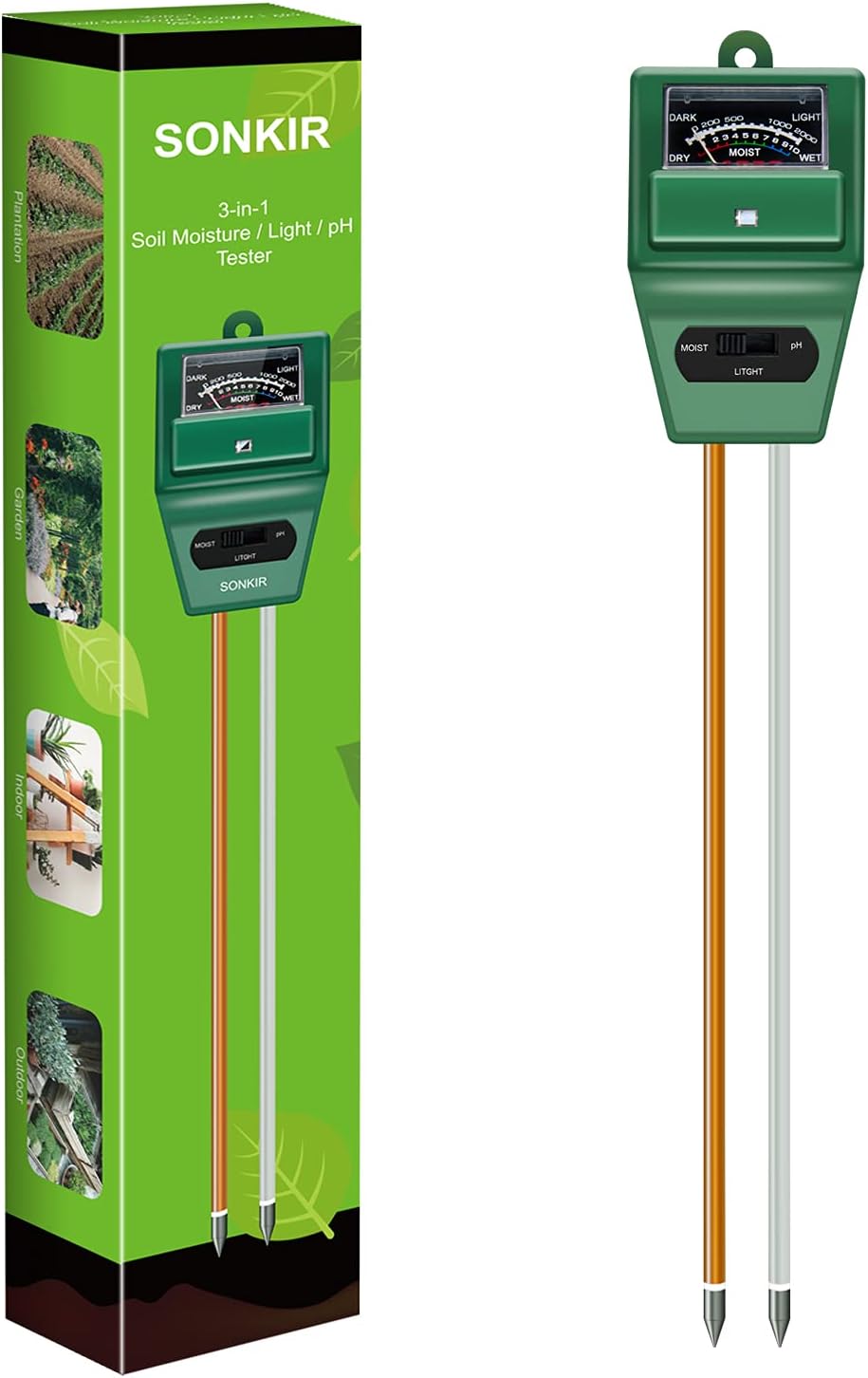
This 3-in-1 tester checks soil moisture, light, and pH for indoor or outdoor planting areas. It provides a simple way to characterize a proposed perennial site before committing the bed for multiple seasons. The tool does not replace local hardiness guidance, but it can add useful site information to the placement decision.
Check On AmazonIf you click this link and buy, we earn a commission at no additional cost to you.
Use crop guides instead of forcing one master planting recipe
Once the crop class is clear, the next step should become narrower. Roots may lead to thinning or maturity signs, climbers to support, leafy crops to bolting, and fruiting crops to pollination or harvest cues. That is more useful than adding another layer of general watering, feeding, and spacing advice. Those inputs still matter, but they belong where crop and local conditions can be considered together.
The table below is a routing tool, not a master schedule. It shows the first constraint worth checking and why neighboring crops can need different next steps. Use it to choose the right question, then move into crop-specific guidance. If the real issue is soil, irrigation, seed starting, or a symptom, use guidance built for that problem instead.
| Crop group | Constraint to check first | Typical next decision |
|---|---|---|
| Root and bulb crops | Establishment, crowding, soil condition, or underground maturity | Thin, hill, check bulbing, or verify harvest signs |
| Leaf crops | Temperature response and harvest stage | Manage bolting risk or choose a repeated harvest method |
| Fruiting warm-season crops | Warmth, pollination, plant habit, and time to mature | Check support, fruit set, or crop-specific harvest cues |
| Legumes | Bush or climbing habit and intended harvest | Choose support and match picking rhythm to use |
| Long season crops | Available season margin | Match variety and establishment method to local conditions |
| Perennial vegetables | Long term site commitment and local hardiness | Reserve a suitable location before planting |
Harvest pattern is another shortcut because it predicts maintenance after establishment. A single harvest crop needs a different checking routine from one that becomes overmature quickly when picking is delayed. Repeated harvest also changes access needs and how practical a dense layout feels. The comparison below shows that workload difference without prescribing exact harvest timing.
| Harvest pattern | Common examples | What changes for the gardener |
|---|---|---|
| One main harvest | Garlic, onions, many storage roots | Maturity signs and curing or storage become more important than frequent picking |
| Repeated picking | Beans, okra, zucchini, many peppers | Regular access and checking matter because harvest stage can change quickly |
| Leaf by leaf or cut harvest | Lettuce, spinach, other greens | Harvest method can influence how long usable leaf production continues |
| Staged maturity | Broccoli side shoots, Brussels sprouts, some fruiting crops | The gardener watches different plant parts rather than waiting for one final event |
Growing vegetables is clearer when the garden is treated as a set of crop decisions rather than one system. The next step should answer the constraint in front of you. If that constraint changes, the route can change too. That keeps the advice practical without oversimplifying the biology.

This pack contains 100 T-type plant labels measuring about 2.4 by 3.9 inches. The plastic tags are reusable, water resistant, and provide a blank surface for crop or variety names. Clear labeling helps the gardener route each plant to the correct crop-specific guide instead of relying on one generic recipe.
Check On AmazonIf you click this link and buy, we earn a commission at no additional cost to you.
Final Thoughts: generic advice ends where crop biology begins
A vegetable garden does not need a separate philosophy for every plant, but it does need enough distinction to keep one crop’s rules from being applied to another. Start with seasonal class, establishment, mature habit, and harvest pattern, then identify the constraint that controls the next decision. That might be thinning for carrots, support for peas, bolting for lettuce, pollination for tomatillos, or maturity signs for squash. The value of a crop guide is that it can answer that narrower question without repeating the entire process of starting a garden.
When a crop is struggling, resist the urge to add a universal input before you know what kind of problem you are solving. Verify the crop, local conditions, current growth stage, and the specific decision that needs to be made. Then use the guide that owns that problem, whether it is a crop harvest question, a support question, a growing system issue, or symptom-based troubleshooting. That is how generic vegetable advice turns into useful home garden decisions.

This hardcover garden journal is designed for tracking seasons, plants, and progress across five years. It includes planting-calendar and plant-log functions for keeping crop information in one place. Recording crop identity, timing, conditions, and outcomes supports the section approach of diagnosing the specific decision before applying another universal input.
Check On AmazonIf you click this link and buy, we earn a commission at no additional cost to you.
Explore crop-specific vegetable guides
The links below begin where general vegetable planning ends. They focus on harvest maturity, support, thinning, bolting, pollination, or crop type choices. Use the crop you are growing as the entry point. Each guide stays narrow so the advice can match the plant.
| Topic | What you’ll find |
|---|---|
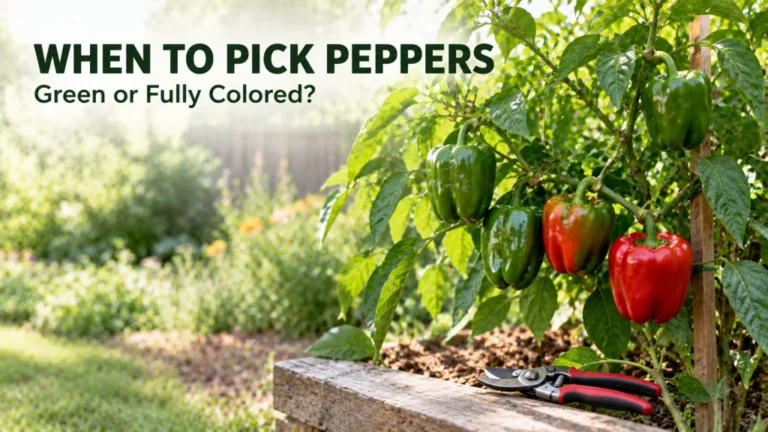
| When to pick peppers | How to read pepper maturity and choose a harvest stage that fits the type you are growing. |
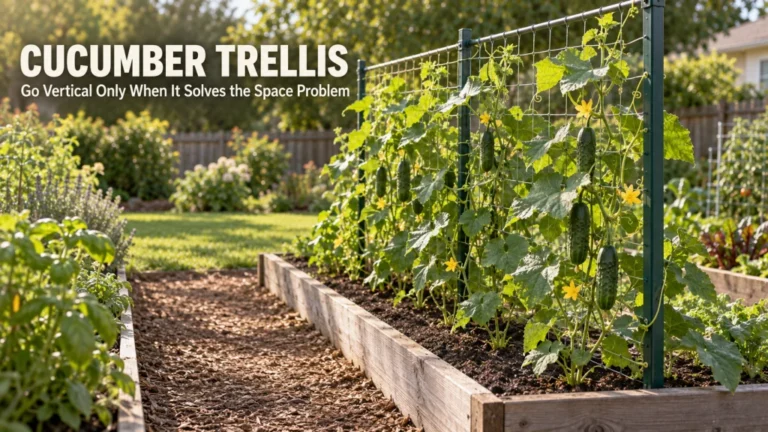
| How to support cucumbers on a trellis | How cucumber growth habit, access, and support shape the trellis decision. |
| When to pick zucchini | How to recognize a useful harvest stage before fruit becomes oversized for the intended use. |
| How and when to hill potatoes | Why hilling is a potato specific management step and what problem it is meant to address. |
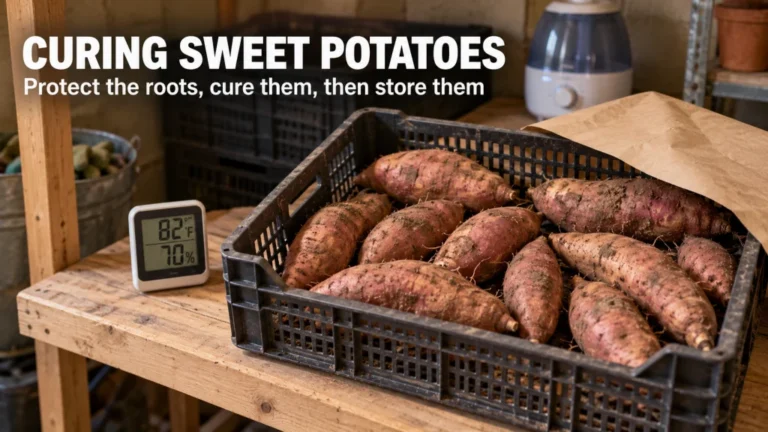
| How to cure sweet potatoes | What curing changes after harvest and how it fits into sweet potato storage preparation. |
| How to thin carrots | How early spacing affects a direct-sown root crop and what to consider while thinning. |
| Short day vs long day onions | How day length response changes which onion type fits a growing region. |
| When to harvest garlic | How to use crop maturity signs instead of guessing from a generic calendar. |
| How to choose a pea trellis | How pea growth habit and garden access affect the support you need. |
| What to do when lettuce bolts | Why lettuce shifts toward flowering and what that means for harvest quality and the next crop decision. |
| Why spinach bolts | How crop stage and growing conditions change the usefulness of spinach leaves. |
| When to harvest broccoli | How head development and later side shoots create more than one harvest decision. |
| When cauliflower needs blanching | How cauliflower type and head protection affect whether blanching is useful. |
| Why cabbage heads split | How rapid growth and maturity can turn a harvest timing issue into a quality problem. |
| How to harvest Brussels sprouts | How staged maturity along the stalk changes picking order and timing. |
| When to harvest radishes | How root size and texture help define a useful harvest stage. |
| How to thin beets | Why beet seedlings can emerge crowded and how thinning fits the crop’s establishment pattern. |
| Why block planting matters for corn | How corn pollination changes the layout decision compared with many other vegetables. |
| When to harvest eggplant | How fruit appearance and texture help separate usable maturity from overmaturity. |
| When to harvest okra | Why frequent picking matters for a crop whose pods change quickly after they form. |
| When to stop harvesting asparagus | How harvest restraint fits a perennial crop that must keep supporting future growth. |
| When to harvest pumpkins | How maturity signs and storage goals shape the final harvest decision. |
| How to tell when cantaloupe is ready | How fruit maturity cues help determine when a melon is ready to pick. |
| How to harvest rhubarb | How harvest method and plant establishment matter for a perennial edible crop. |
| How tomatillo pollination works | Why flower biology and plant count matter before fruit set can be judged. |
| How to tell when watermelon is ready | How several maturity cues can be combined instead of relying on fruit size alone. |
| Is artichoke annual or perennial | How climate and production method change whether artichoke is treated as a short term or longer lived crop. |
| When to harvest winter squash | How rind maturity and crop type shape harvest and storage readiness. |
| Why bok choy bolts | How temperature, crop stage, and stress can shift bok choy toward flowering. |
| Hardneck vs softneck garlic | How garlic type changes climate fit, harvest traits, and storage expectations. |
| Bush beans vs pole beans | How growth habit, support, space, and harvest routine affect which bean type fits the garden. |
You do not need every guide before planting. Open the one that matches the crop and decision in front of you. Return when another crop reaches a different constraint or harvest question. That keeps the information manageable and lets plant biology set the next priority.

This two-pack uses metal mesh baskets with foldable wooden handles for gathering and carrying garden produce. The rectangular baskets are intended for vegetables, fruit, and general garden picking. They fit a crop-specific guide library because many of the linked routes end with repeated or maturity-based harvest work.
Check On AmazonIf you click this link and buy, we earn a commission at no additional cost to you.
FAQs
🌱 What vegetables should a beginner grow first?
Choose vegetables you actually eat and that fit your season, space, and available maintenance time. A manageable crop that matches local conditions is usually a better first choice than a popular crop that needs more heat, support, or attention than your site can provide.
🌡️ How do I know whether a vegetable is cool-season or warm-season?
Check a university Extension crop guide for the vegetable you are growing. The seasonal class is a starting point, but local frost patterns, soil conditions, heat, and the crop’s growth stage still determine when planting is practical.
🥕 Why do carrots and radishes need different care from tomatoes?
Carrots and radishes are direct-sown root crops, so emergence, crowding, and underground development are central decisions. Tomatoes are warm-season fruiting plants, so transplant establishment, plant support, flowering, fruit development, and harvest maturity create a different care path.
🥬 Can I use the same harvest method for every leafy vegetable?
No. Some leafy crops can be picked leaf by leaf, some are cut as a head or rosette, and some can regrow after a partial harvest when conditions remain suitable. Use the harvest method for that crop rather than assuming every green responds the same way.
🫘 Do all beans and peas need a trellis?
No. Support depends on growth habit, so bush forms can behave very differently from climbing peas or pole beans. Check the variety before building support because a larger trellis is not automatically useful for a compact crop.
📍 Should I follow a national vegetable planting calendar?
Use national information only as a broad orientation. Planting decisions should be narrowed with regional guidance, local climate patterns, current soil and weather conditions, and the requirements of the specific crop.
References and Sources
- Iowa State University Extension and Outreach vegetable gardening guide: Supports the distinction between general planning and crop-specific planting, care, and harvest guidance.
- University of Maryland Extension vegetables for the home garden: Supports the routing from general vegetable gardening into crop selection, planting, maintenance, and crop-specific problem guidance.