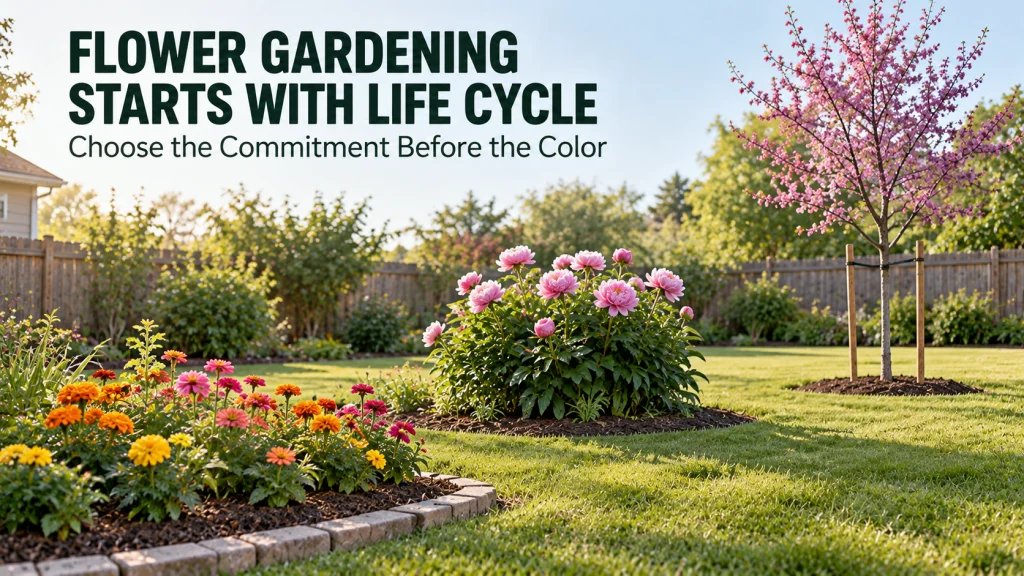
Flower gardening works better when the plant’s life cycle, mature footprint, bloom habit, and maintenance needs come before color alone. Annuals, herbaceous perennials, bulbs, roses, hydrangeas, flowering shrubs, native plants, pollinator plantings, cutting beds, and small ornamental trees can share a yard while requiring very different care systems. The useful first decision is not which flower looks best, but how long the plant will occupy the space, what conditions it needs, and what recurring work it creates. Once that commitment is clear, the rest of the garden becomes much easier to route and maintain.

This set includes 100 plastic T-type plant labels measuring 6 x 10 cm. The labels provide a dedicated writing surface for identifying plants in mixed beds and containers. Their stake-style format keeps the label positioned above the soil for quick reference.
Check On AmazonIf you click this link and buy, we earn a commission at no additional cost to you.
Separate one season of color from plants that occupy the space for years
A useful flower garden plan distinguishes seasonal occupancy from long-term occupancy before it compares bloom color. Annuals can be changed quickly, herbaceous perennials may die back and return from persistent crowns or roots, bulbs and bulb-like plants store reserves underground, and woody shrubs or trees keep a permanent framework. The same square foot of soil can therefore carry very different future obligations depending on what goes into it. A plant that is inexpensive today can still be the wrong choice if its mature size or maintenance pattern conflicts with the site.
This is also where climate matters. A plant sold beside annual bedding plants may survive as a perennial in a warmer region but function as a seasonal plant where winter cold exceeds its tolerance, so the label and local guidance matter more than the retail bench it came from. For long-lived plants, mature spread, drainage, light, and access for maintenance deserve more weight than the first season’s appearance. The table below is a commitment check, not a ranking.
| Plant family | Typical space commitment | Main question before planting | Recurring work to expect |
|---|---|---|---|
| Annual flowers | Seasonal | Do I want flexible color that can change next season? | Planting, watering, deadheading when useful, and replacement |
| Herbaceous perennials | Multi-year | Will the mature clump fit this space and local conditions? | Cutback, division for some plants, and periodic thinning |
| Bulbs and bulb-like plants | Seasonal growth from underground storage | Does this species need dormancy, lifting, or persistent foliage after bloom? | Foliage management, possible division, and species-specific storage or replacement |
| Flowering shrubs | Long-term woody structure | Does the mature size and bloom habit fit the site? | Selective pruning, renewal, and long-term spacing management |
| Small ornamental trees | Long-term structural planting | Will the mature canopy and root area fit around structures and utilities? | Establishment care and owner-level maintenance within safe limits |
| Permanence | Typical group |
|---|---|
| Seasonal reset | Annuals |
| Multi-year return | Perennials |
| Underground seasonal cycle | Bulbs |
| Long-term woody framework | Flowering shrubs |
| Long-term yard structure | Small ornamental trees |
Use the tables to eliminate mismatched commitments before comparing individual plants. Once the permanence question is settled, each plant family has a more sensible set of next steps. In a mixed bed, plan for future size and workload before young plants make very different commitments look equally manageable.

This 25-foot power tape uses a self-locking blade design. It can measure bed length, planting width, and clearance before long-lived plants reach mature size. A compact tape measure turns mature-footprint planning into actual site dimensions before planting.
Check On AmazonIf you click this link and buy, we earn a commission at no additional cost to you.
Use annual flowers when seasonal flexibility matters most
Annual flowers are useful when the goal is fast seasonal color, temporary gap filling, containers, or a bed that you want to redesign without moving established woody plants. Botanically, true annuals complete their life cycle in one growing season, but gardeners also grow some tender perennials as annuals where winter conditions do not allow them to persist. That distinction matters because a plant’s performance depends on local climate and the season in which it is grown. It also explains why the same plant may be described differently in different regions.
The trade-off is recurring input. A bed built mostly around annual color usually requires new plants or seed, renewed planting work, and enough water and maintenance to carry those plants through their active season. If that flexibility is the point, the work can be reasonable; if the goal is a stable planting that returns with less replanting, annuals may be doing the wrong job. For selection, I would prioritize site fit and the desired length of display before chasing the widest color range. The more detailed seasonal choice belongs in the annual flower gardening guide.

This five-pack uses 12-cell seed trays with bases and humidity domes. Adjustable vents let you change humidity and temperature around germinating seedlings. Clear trays make it possible to monitor root development without removing seedlings from their cells.
Check On AmazonIf you click this link and buy, we earn a commission at no additional cost to you.
Use perennials when mature clump size and recurring maintenance fit the plan
Herbaceous perennials can return for multiple growing seasons, but “comes back” should not be mistaken for “requires no planning.” A young perennial may occupy little space at planting and then expand into a substantial clump, while another may stay relatively restrained or decline if the site does not match its hardiness, moisture, light, or drainage needs. Some benefit from periodic division, some resent frequent disturbance, and some keep attractive foliage after flowering while others leave a gap. Seasonal dormancy can also change how much of the bed looks occupied through the year. The mature plant matters more than the nursery pot, because that is the plant the bed eventually has to accommodate.
Perennials make the most sense when the bed can support that continuing footprint and the gardener is comfortable with a changing seasonal appearance. They can reduce annual replanting, but they replace that task with longer-term decisions about spacing, cutback, division, support, and neighboring plants. I would avoid buying a perennial solely because it is labeled low maintenance without checking what maintenance it actually needs in the intended site. For that deeper decision, continue with the perennial gardening guide.

This 50-foot by 1/2-inch roll is made for plant support. The reusable ties are adjustable and can be cut to the length needed around stems and supports. That makes them useful for perennials that need temporary staking as growth changes through the season.
Check On AmazonIf you click this link and buy, we earn a commission at no additional cost to you.
Treat bulbs as a seasonal underground storage system
Many plants casually called bulbs survive seasonal stress by storing reserves in underground structures, even though not all of those structures are botanically true bulbs. The practical consequence is more important than the vocabulary: the plant has an above-ground growth and flowering period, then a period when the visible plant may decline or disappear. For many spring-flowering bulbs, the leaves continue feeding the underground structure after the flowers fade. Removing healthy foliage too early can reduce the reserves available for later growth.
That cycle changes how bulbs fit a bed. A spot that looks full during bloom may look sparse after the foliage matures, so neighboring plants should be chosen with that transition in mind rather than used to hide foliage before it has finished its job. Some bulb-like plants persist reliably in suitable conditions, while others may decline, need lifting, or be treated more like seasonal display plants depending on species and climate. Before planting, check the exact plant’s hardiness, drainage needs, dormancy pattern, and post-bloom care. The bulb gardening guide handles those species-level decisions.

This standing bulb planter includes a depth marker for more consistent planting. It is designed for bulbs including tulips, daffodils, and dahlias. The upright format is intended to reduce bending while making repeated planting holes.
Check On AmazonIf you click this link and buy, we earn a commission at no additional cost to you.
Identify the rose class before assigning pruning or support
Roses are a good example of why a flower name is not enough to determine care. Different rose classes can vary in growth habit, mature size, repeat bloom, cane structure, and when their flowering wood is produced. A pruning routine that makes sense for one class can remove useful flowering wood or create unnecessary work on another. Even deadheading is not a universal requirement when hips are part of the desired display.
Start with the exact rose identity if it is available, then check how that class flowers and what shape it naturally wants to make. A compact shrub rose, a vigorous climber, and a once-blooming old garden rose should not be forced into the same pruning calendar or support plan. Site fit still comes first because sun, airflow, winter conditions, and available space affect whether the plant can perform without constant correction. The rose gardening guide is the better place to match rose type with pruning, training, and homeowner care.
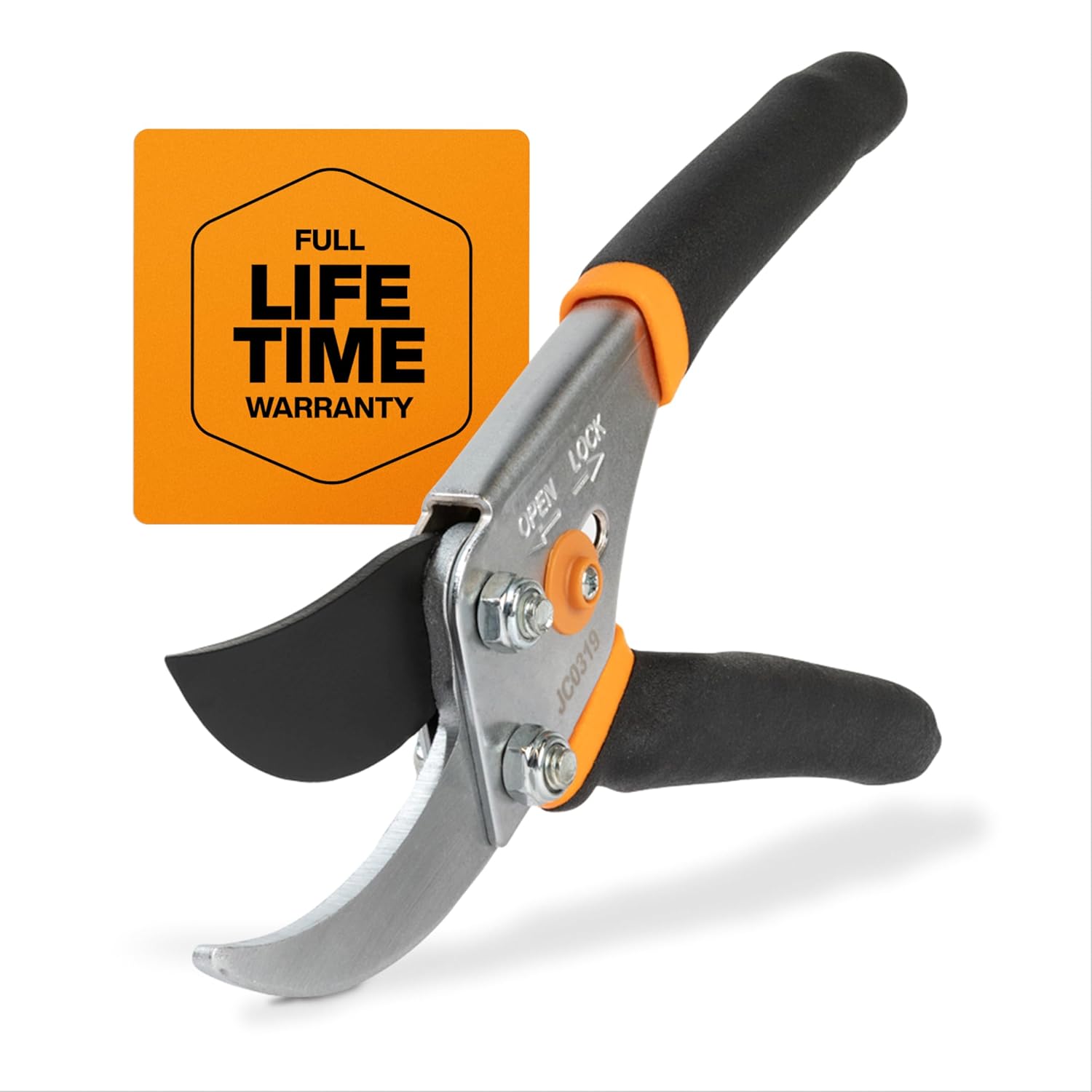
These bypass pruning shears have a 5/8-inch cut capacity. The steel blades use a low-friction coating, and the tool includes a self-cleaning sap groove. They fit owner-level rose pruning where the cut size is within the rated capacity.
Check On AmazonIf you click this link and buy, we earn a commission at no additional cost to you.
Identify hydrangea type before pruning or making color expectations
Hydrangea care can go wrong when the plant is treated as one generic shrub. Some common hydrangeas form many flower buds on stems produced in a previous season, while others flower on current-season growth, and some cultivars can flower on both. That difference changes when pruning is least likely to remove flower buds. If the tag or exact identity is unknown, heavy pruning based on a generic hydrangea rule is a gamble.
Color expectations can be just as misleading when they are detached from plant type and site conditions. Not every hydrangea changes flower color in response to soil chemistry, and flower performance can also be affected by climate, winter bud survival, light, moisture, and the plant’s maturity. I would identify the species or cultivar first, then decide whether pruning or soil-related color management is even relevant. The growing hydrangeas guide takes that identification-first approach in more detail.

This soil pH testing kit includes one hundred strips for checking the acidity or alkalinity of prepared garden soil samples. The kit is designed for lawns, raised beds, and compost comparisons, with a stated testing range of about pH 3.5 to 9. For meaningful results, collect a representative sample and follow the prescribed soil-to-water procedure. Color-strip readings are approximate, so use a laboratory test when making expensive or consequential soil amendment decisions.
Check On AmazonIf you click this link and buy, we earn a commission at no additional cost to you.
Treat flowering shrubs as woody plants with bloom wood calendars
A flowering shrub is not simply a perennial that happens to be larger. It builds persistent woody stems, develops a mature framework, and may form flower buds on different ages of wood depending on the species. That makes pruning timing a biological question rather than a cleanup preference. Cutting every shrub to the same shape at the same point in the season can reduce flowering or create repeated regrowth that has to be managed again.
The first checks are mature width, mature height, light, soil drainage, and how the shrub flowers. If a shrub has to be cut back hard every year just to keep it away from a walkway or window, the original site may be asking the plant to stay smaller than its normal habit. Selective pruning can manage a well-sited shrub, but it should not become a permanent substitute for enough space. Use the flowering shrubs guide to sort bloom habit and long-term fit before making pruning decisions.

These bypass loppers measure 28 inches long and have a 1.5-inch cut capacity. The longer handles provide reach for owner-level pruning on woody garden plants within that rated capacity. They suit selective shrub cuts better than treating every flowering shrub as a hedge to be sheared uniformly.
Check On AmazonIf you click this link and buy, we earn a commission at no additional cost to you.
Use native plant gardening when regional origin and ecological role matter
Native plant gardening adds another decision layer because “native” is tied to geography, not to a universal list that works everywhere. A species native to one part of the country may be outside its native range somewhere else, and regional origin does not erase ordinary site requirements such as light, moisture, drainage, and space. The useful question is whether a locally appropriate plant also fits the conditions in the actual yard. Native status is valuable context, not a waiver from right plant, right place.
Ecological role also changes what success looks like. A native planting may be chosen for relationships with local insects, birds, or other wildlife rather than for uninterrupted ornamental bloom alone, so seasonal stems, seed heads, leaf litter, and host-plant value can matter. That can produce a different maintenance style from a highly groomed annual display. I would start with regional references and the site’s conditions, then build the plant list from there. The native plant gardening guide handles that regional and site-specific selection process.

This 13-1/2-inch hand trowel uses a premium stainless steel blade and ComfortGEL grip. It is designed for digging, planting, and transplanting in garden soil. That makes it a practical planting tool after a regionally appropriate native plant has been matched to the site.
Check On AmazonIf you click this link and buy, we earn a commission at no additional cost to you.
Add pollinator habitat as a life cycle system, not a flower list
A pollinator garden is more than a collection of flowers that happen to attract adult insects. Different pollinators use different food sources, larval host plants, nesting materials, shelter, and seasonal resources, so a bed that blooms heavily for a short window may still leave long gaps. Flower shape, bloom sequence, plant origin, and pesticide exposure can all influence how useful the planting is. The goal is continuity and habitat function, not simply the highest flower count at one moment.
This changes maintenance decisions as well. Leaving some stems, leaves, or undisturbed areas can support habitat in ways that a completely cleared bed does not, while dense plantings still need enough site fit to avoid creating avoidable plant stress. A small garden can contribute without trying to imitate a whole meadow, provided the plant choices match local conditions and offer useful resources across more than one part of the growing season. I would plan the habitat function first and the decorative pattern second. The pollinator gardening guide develops that system in practical homeowner terms.

This solitary bee hotel uses 75 FSC-wood and bamboo tubes in an 8 by 7.5 by 5-inch housing. It is designed as nesting habitat for native solitary bees. A built-in hanging hook and sloped roof provide a straightforward way to add a nesting feature to a pollinator garden.
Check On AmazonIf you click this link and buy, we earn a commission at no additional cost to you.
Plan a cut flower garden for repeated harvest access
A cut flower bed has a different job from a border meant to look full from the patio. The plants need to produce usable stems, but the gardener also needs a route to reach them repeatedly without stepping through neighboring crowns or compacting the entire bed. Harvest stage varies by species, and repeated cutting can change how some plants branch or rebloom. That makes access, succession, and harvest behavior part of the design rather than an afterthought.
Rows are not required in every home cutting bed, but a clear working path is useful because the garden is entered often. If the goal is bouquets, it may also make sense to separate high-production cutting space from the ornamental border so harvesting does not leave the display looking stripped. Some annuals are well suited to frequent replacement or succession, while perennials, bulbs, shrubs, and foliage plants can contribute on different schedules. The cut flower garden guide focuses on that repeated-harvest workflow.

These 6-inch pruning snips use non-stick, resin-resistant blades for small plant cuts. Their compact format suits repeated stem harvesting in a home cut-flower bed. Keeping a dedicated pair at the harvest path supports frequent cutting without bringing a larger pruning tool into dense rows.
Check On AmazonIf you click this link and buy, we earn a commission at no additional cost to you.
Treat small ornamental trees as mature infrastructure decisions
A young ornamental tree can look harmless beside a porch, fence, utility line, or path because the nursery plant shows almost none of its mature footprint. The decision should be based on expected canopy size, root area, site drainage, light, exposure, and the space available around structures and other plants. Even a species described as small still occupies the yard in three dimensions for many years. Moving it later is far more disruptive than moving a tray of annuals.
Before planting, check the exact species or cultivar, its mature dimensions, and any utility or clearance constraints around the proposed site. Establishment watering and routine owner-level pruning are ordinary garden tasks, but hazardous limb work, work near energized lines, or complex structural defects are outside normal homeowner flower-garden maintenance. I would choose the site as though the mature tree were already there, not as though the current container were the final size. The small ornamental trees guide continues that long-term fit decision.

This slow-release watering bag is designed for trees with trunks 1 to 8 inches in diameter. The bag wraps around the trunk and releases water gradually at the root zone. It supports establishment watering after a small ornamental tree has been placed with adequate mature clearance.
Check On AmazonIf you click this link and buy, we earn a commission at no additional cost to you.
Keep propagation, soil, irrigation, and symptom problems in their own decision lanes
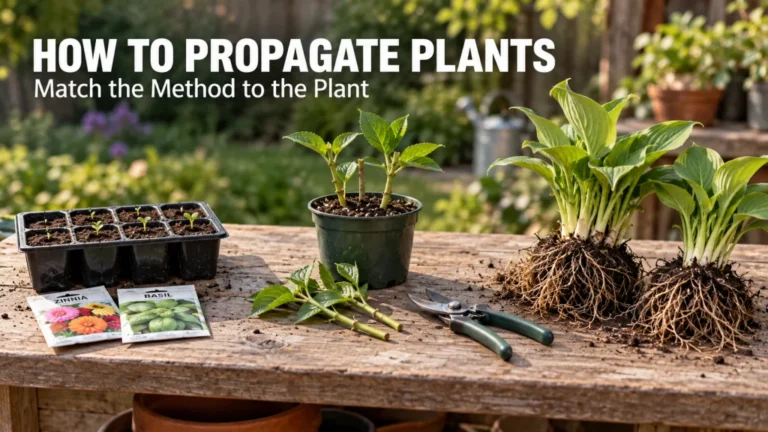
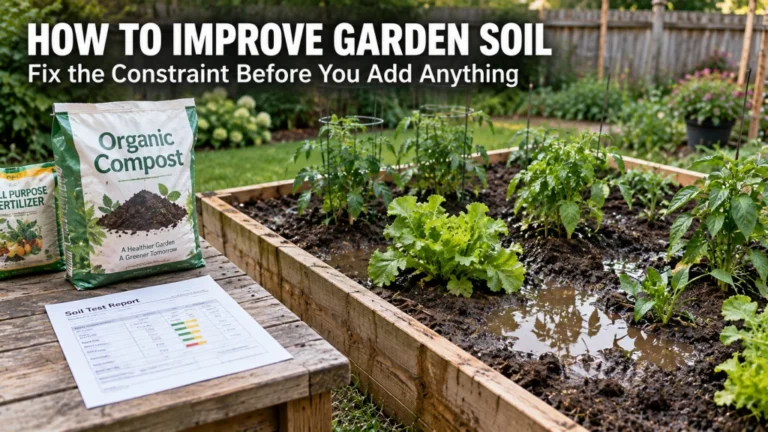
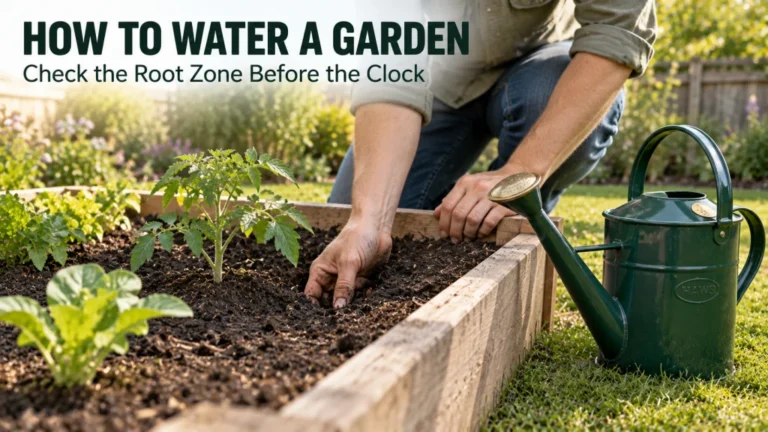
Choosing an ornamental plant family does not mean every later problem belongs inside flower selection. Starting seeds, rooting cuttings, and dividing plants are propagation questions with their own temperature, timing, sanitation, and plant-specific requirements. Soil structure, compost, amendments, fertility, and drainage deserve a separate diagnosis because adding inputs without identifying the actual soil constraint can create new problems. Watering method and irrigation design also depend on delivery, soil, plant demand, weather, and the growing space rather than on flower color.
Symptoms need the same discipline. Yellow leaves, spotting, wilting, poor flowering, and dieback can have multiple living and nonliving causes, so appearance alone should not be turned into a certain diagnosis. Use the plant propagation guide for propagation systems, the garden soil guide for soil decisions, the garden watering guide for water delivery, and the garden care guide when the problem begins with a symptom. Keeping those decisions separate prevents a simple flower choice from turning into generic advice for every garden problem.
| Question starts with | Route next |
|---|---|
| Plant family and long-term fit | Stay with ornamental selection |
| Seed, cutting, or division | Propagation guidance |
| Drainage, fertility, or soil structure | Soil guidance |
| Water delivery or scheduling | Watering guidance |
| Symptoms or decline | Care and troubleshooting guidance |
The boundary keeps plant choice separate from systems and diagnosis that need their own evidence.

This 30-inch watering wand delivers a gentle full-flow spray and includes a shut-off valve. An 8-inch foam grip provides the handling surface on the wand. It gives the irrigation lane in this section a concrete water-delivery tool without turning plant symptoms into a diagnosis.
Check On AmazonIf you click this link and buy, we earn a commission at no additional cost to you.
Final Thoughts: choose the plant commitment before the flower color
A good flower garden can include annual color, returning perennials, bulbs, shrubs, habitat plants, cutting flowers, and small trees, but those plants should not be asked to follow one care schedule. Start with the site’s light, soil, moisture, space, climate, and workload, then decide how permanent you want the planting to be. From there, identify the plant family and its bloom habit before making pruning, replacement, or maintenance assumptions. That order keeps attractive flowers from masking a poor long-term fit.
The simplest next step is to look at the space rather than the catalog photo. Ask what can mature there without constant correction, what seasonal work you are willing to repeat, and whether the goal is display, habitat, harvest, or long-term structure. Once those answers are clear, the right plant family usually becomes easier to recognize. That is a more durable foundation for ornamental gardening than choosing color first and trying to make the care system fit afterward.

This battery-free soil moisture meter is made for indoor and outdoor plant use. It provides a direct moisture reading from the soil without requiring batteries. That gives a final site-care check a simple way to separate current soil moisture from assumptions based only on how a plant looks.
Check On AmazonIf you click this link and buy, we earn a commission at no additional cost to you.
FAQs
🌼 Can annuals and perennials grow in the same flower bed?
Yes, if their light, moisture, drainage, and space needs are compatible. Annuals can provide seasonal color while perennials mature, but leave enough room for the perennials’ eventual spread.
🌱 How do I choose flowers for a new garden?
Start with light, soil drainage, available water, climate, mature space, and the amount of recurring maintenance you want. Then choose the plant family and species that fit those conditions instead of starting with color alone.
🌷 Should I cut bulb leaves off after the flowers fade?
Not while the foliage is still green and functioning. Many spring-flowering bulbs use that leaf period to rebuild underground reserves, so wait until the foliage has naturally declined unless species-specific guidance says otherwise.
✂️ Why does plant type matter before I prune a flowering shrub?
Different shrubs form flower buds on different ages of wood and at different points in their growth cycle. Identify the species or cultivar first so pruning does not remove the wood carrying the next flowers.
🐝 Does a pollinator garden need only nectar flowers?
No. Useful habitat can also include larval host plants, nesting or shelter features, and a sequence of resources across the active season, with plant choices adjusted to the local region and site.
🌳 How close can I plant a small ornamental tree to a structure?
Use the mature size and form of the exact species or cultivar, not the size of the young tree at purchase. Check canopy clearance, root space, utilities, drainage, and access before choosing the planting position.
References and Sources
- University of Minnesota Extension flowers: Supports the distinction between annual and perennial life cycles and the need to match flowering plants to local growing conditions.
- Illinois Extension bulbs: Supports the underground storage cycle, dormancy, and the role of post-bloom foliage in bulb performance.
- Illinois Extension rose pruning: Supports class-specific rose pruning and the importance of flowering habit before pruning.
- University of Minnesota Extension hydrangea pruning: Supports old-wood, new-wood, and type-specific hydrangea pruning distinctions.
- University of Maryland Extension native plant gardening: Supports regionally grounded native-plant selection and habitat-oriented gardening.
- University of Maryland Extension pollinators and native plants: Supports seasonal food, host-plant, nesting, and shelter considerations in pollinator habitat.
- Penn State Extension growing cut flowers: Supports species-specific harvest stage, repeated cutting, and practical cut-flower handling.
- University of Minnesota Extension planting trees and shrubs: Supports site selection based on soil, light, climate, water, and residential conditions.