How often should you test your soil? Retest when the answer can change
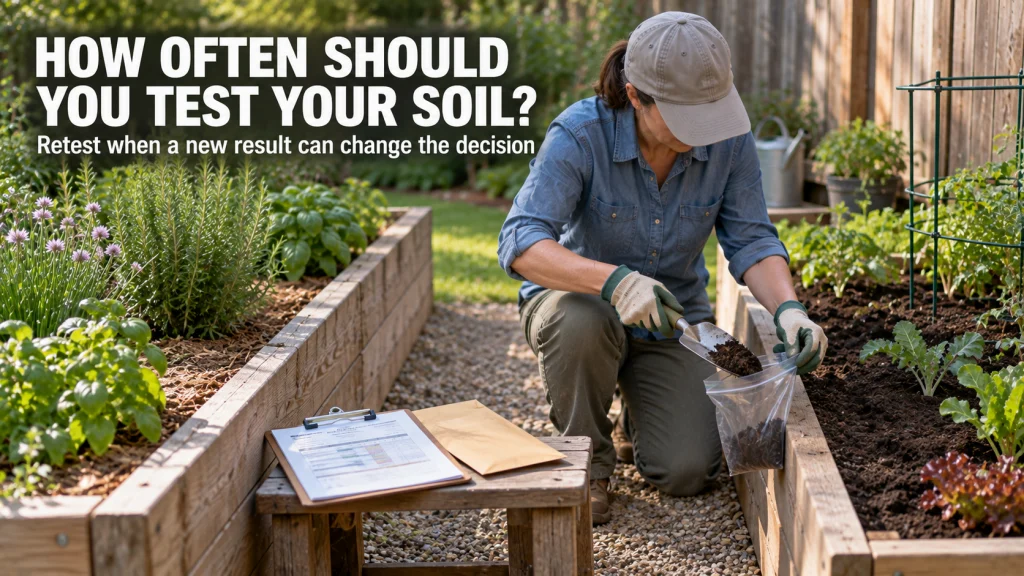
How Often Should You Test Your Soil

Soil does not need to be retested simply because another gardening season has arrived. A useful retest schedule starts with the last reliable result, then changes according to soil texture, management intensity, major amendments, and whether a fresh number would change what you do next. Extension guidance gives reasonable baseline intervals, but those ranges are
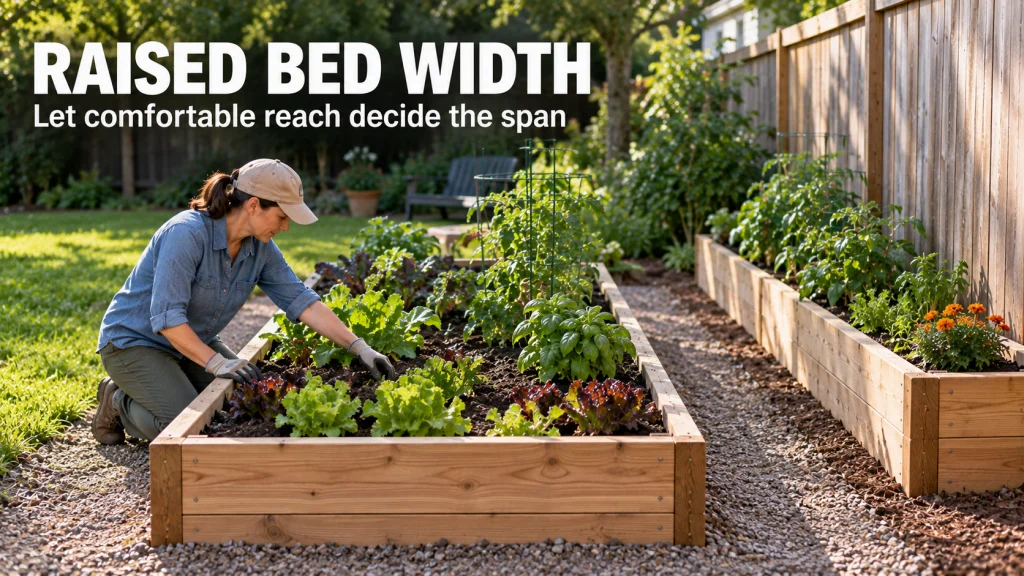
How wide should a raised garden bed be? Let reach decide before lumber length

How Wide Should A Raised Garden Bed Be

How wide should a raised garden bed be? Start with the number of sides you can actually work from, then choose a width that keeps the center within comfortable reach without stepping into the growing area. A bed that works from two sides can usually be wider than the same bed placed against a wall

Soil test kit vs lab: match test rigor to the cost of being wrong

Soil Test Kit Vs Lab

A home soil test and a laboratory test can both be useful, but they solve different levels of decision. The practical choice is to match the test to what you plan to do with the result, how much detail the decision requires, and how costly an incorrect or incomplete reading would be. Home testing can

Drought-tolerant annual flowers after establishment still need a water plan

Drought Tolerant Annuals

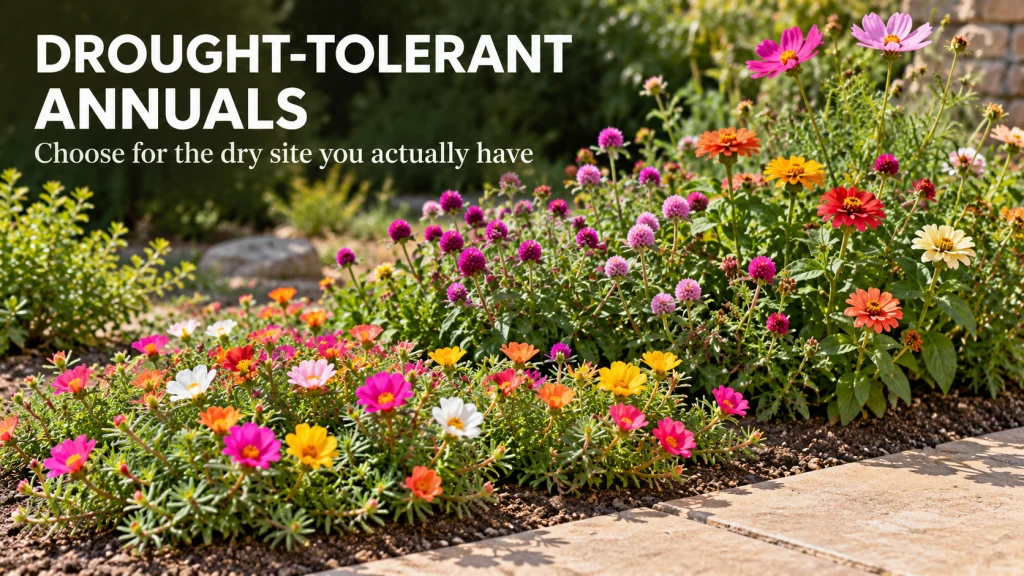
Drought tolerant annuals can reduce supplemental watering after they are established, but the label does not mean a new transplant can be ignored. The useful shortlist starts with the actual site: sun exposure, drainage, climate, available space, and how much establishment care you can provide. Plants such as rose moss, globe amaranth, gazania, spider flower,

How to read a soil test without chasing the scariest number

How To Read A Soil Test

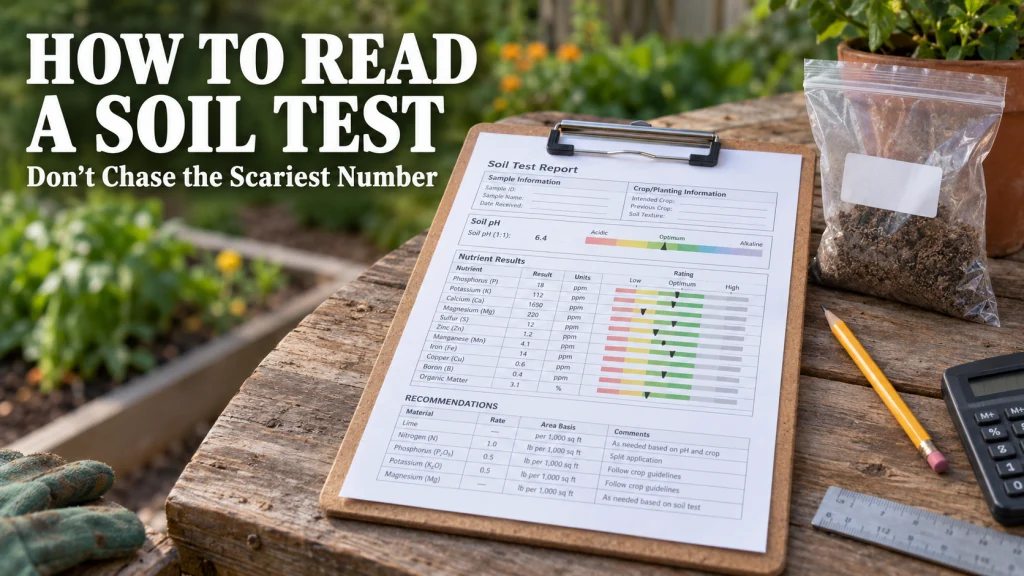
A soil test report is useful only when its numbers stay attached to the laboratory method, rating scale, units, crop or planting type, and recommendation framework that produced them. A practical reading order is to identify those report details first, read soil pH before amendment guidance, interpret nutrient ratings on the laboratory’s own scale, and

How much water does a garden need? From one inch to actual gallons for your beds

How Much Water Does A Garden Need

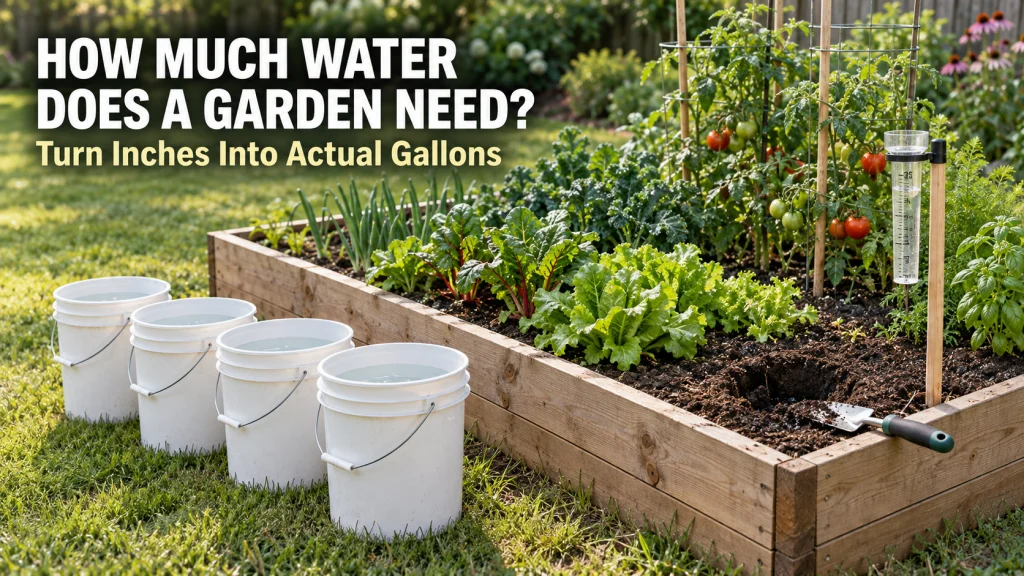
A garden water target stated in inches describes depth across an area, not a fixed number of gallons. A useful starting calculation is garden area in square feet multiplied by target water depth in inches multiplied by 0.623 gallons. Rainfall can reduce that irrigation amount, but only when enough of it reaches and moistens the

How to take a soil sample without sending the lab a bad average

How To Take A Soil Sample

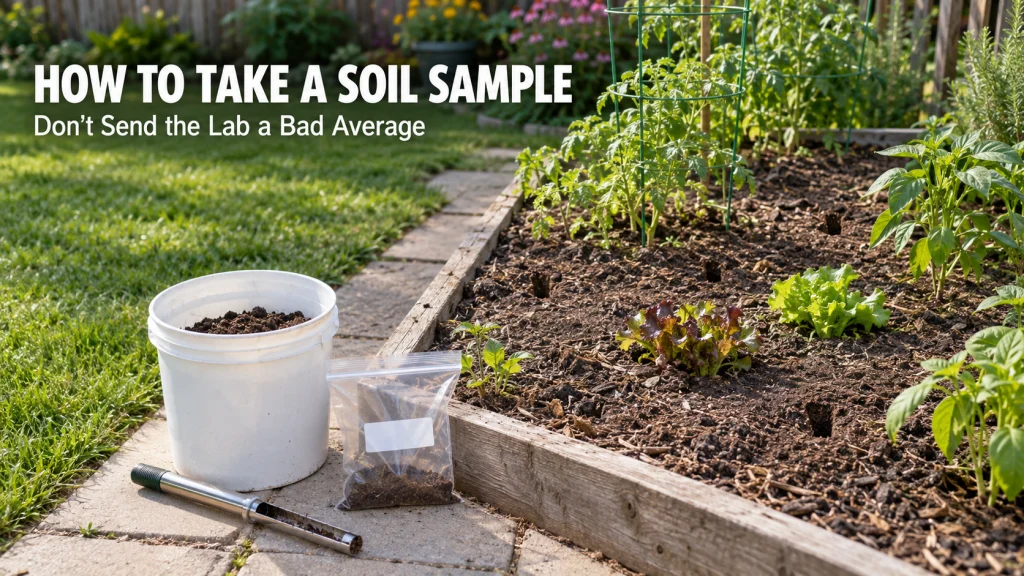
A useful soil test starts with a sample that represents one real management area, not a scoop of whatever soil is easiest to reach. Separate areas that have different uses, soil histories, amendments, or plant problems, then follow the chosen laboratory’s instructions for sampling depth and submission. Collect several consistent subsamples, combine only those that

Starting seeds indoors without turning the shelf into a greenhouse

Starting Seeds Indoors

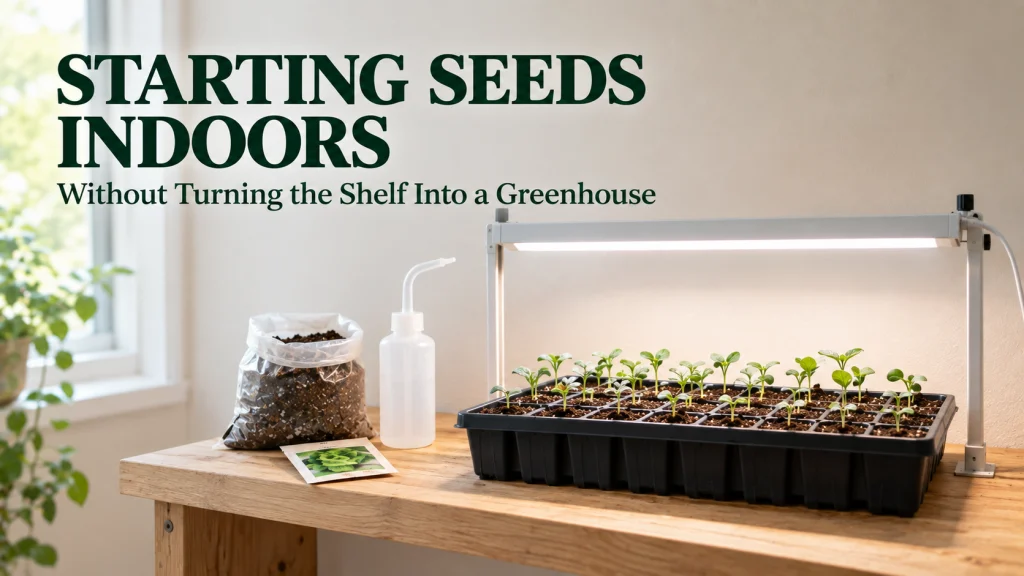
Starting seeds indoors works best when the setup is built around the crop and the room, not around a long equipment list. The essentials are a suitable seed, a clean draining container, an appropriate growing medium, even moisture, and adequate light once seedlings emerge. Extra warmth and a humidity cover can help under the right

Raised bed vs in ground garden: pay for control only when the site needs it

Raised Bed Vs In Ground Garden

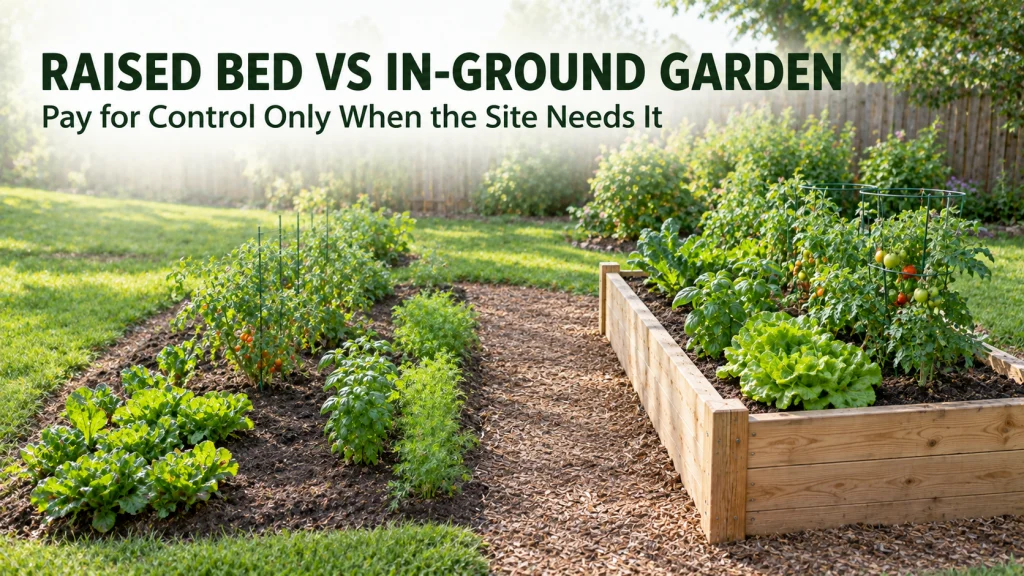
Raised beds make sense when they solve a real problem with soil, drainage, access, or the usable growing area. In-ground planting is often the simpler choice when the existing soil can be used safely, water moves through the site reasonably well, and working at ground level is practical. The comparison should include the cost and

Measure first when you draw a garden plan

How To Draw A Garden Plan

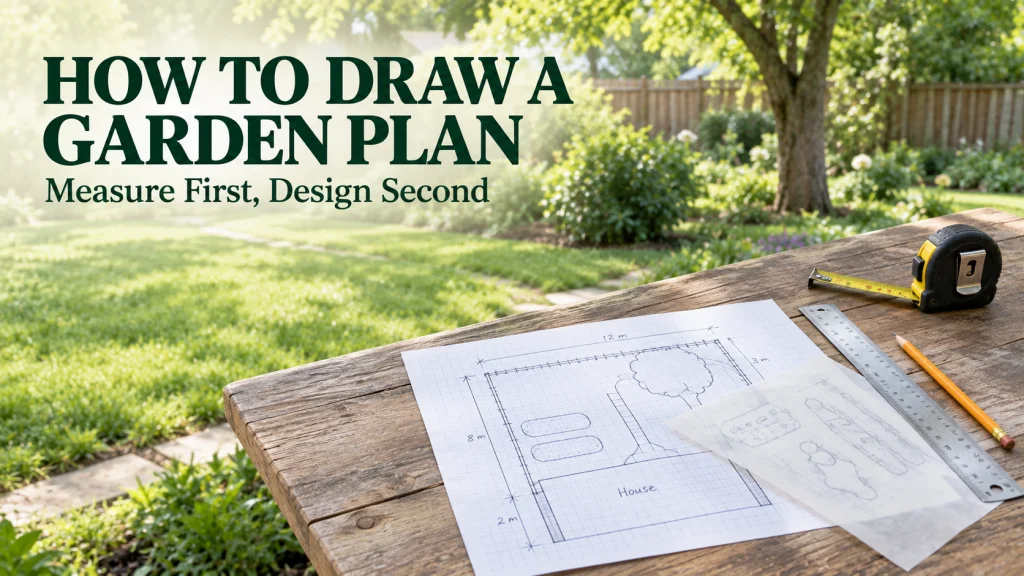
A useful garden plan starts with measurements, fixed reference points, and a base map that reflects the space you actually have. The goal is not artistic perfection, but a dependable drawing that shows boundaries, buildings, trees, paths, and other features before planting ideas are added. Irregular edges can be handled with repeatable measurements, while a

Soil testing starts with the decision you need the lab to support

Soil Testing

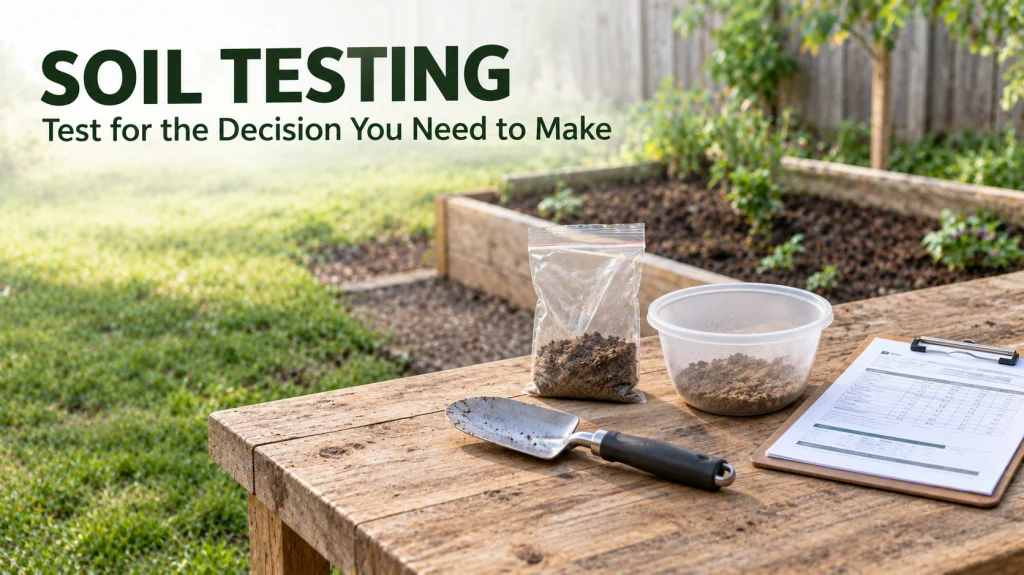
Soil testing is most useful when it answers a decision you actually need to make, not when it is treated as a routine box to check. A gardener deciding whether to add an amendment needs a different kind of answer from someone who already has a laboratory report in hand. The useful path is to