Deadheading annuals: which flowers need it and which are self-cleaning
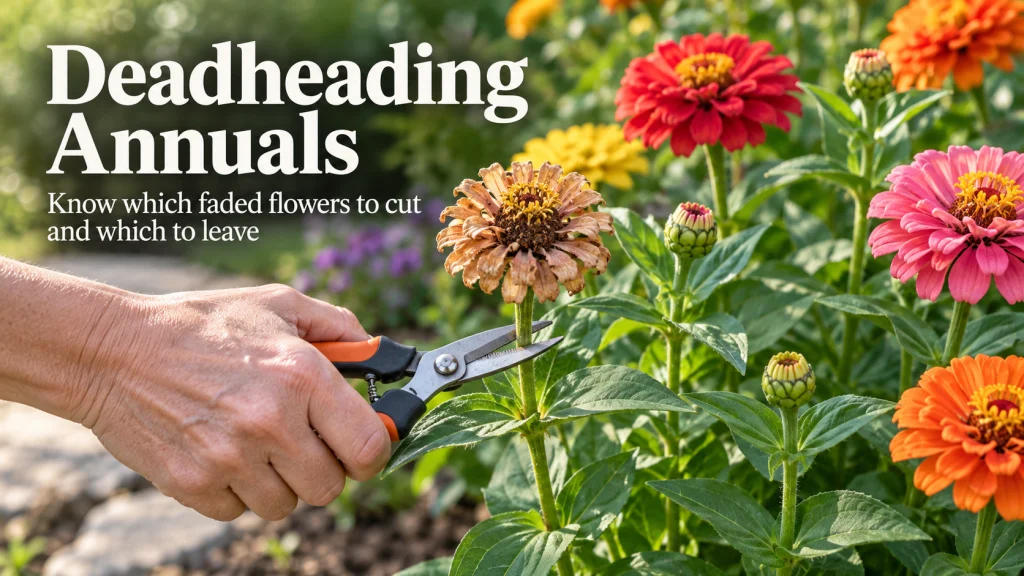
Deadheading Annuals

Deadheading annuals is useful when removing spent flowers helps a plant keep flowering, prevents unwanted seed set, or simply keeps the planting tidy. It is not a universal chore because some annuals are self-cleaning, some cultivars continue flowering without regular cleanup, and some plants are more useful when selected seed heads remain. The practical decision
Long blooming annual flowers: what long really means in your season

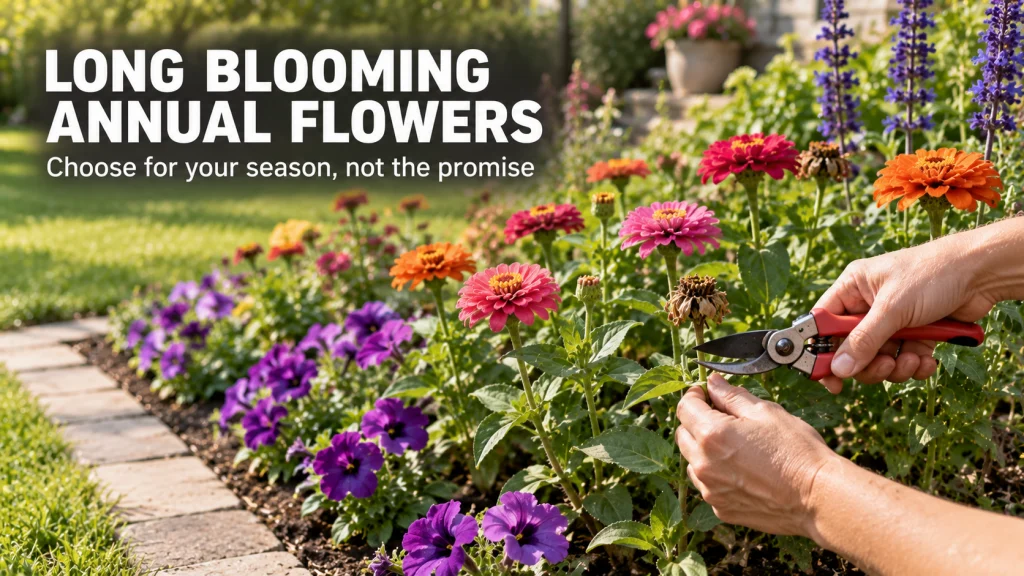
Long Blooming Annual Flowers

Long blooming annual flowers are not simply the plants with the boldest promise on a tag. A useful choice depends on whether a plant keeps producing flowers naturally, needs deadheading or trimming, tolerates the hottest part of the local season, and fits the light, moisture, and space actually available. The best shortlist starts with those

Cool season annuals fill the gap before and after summer

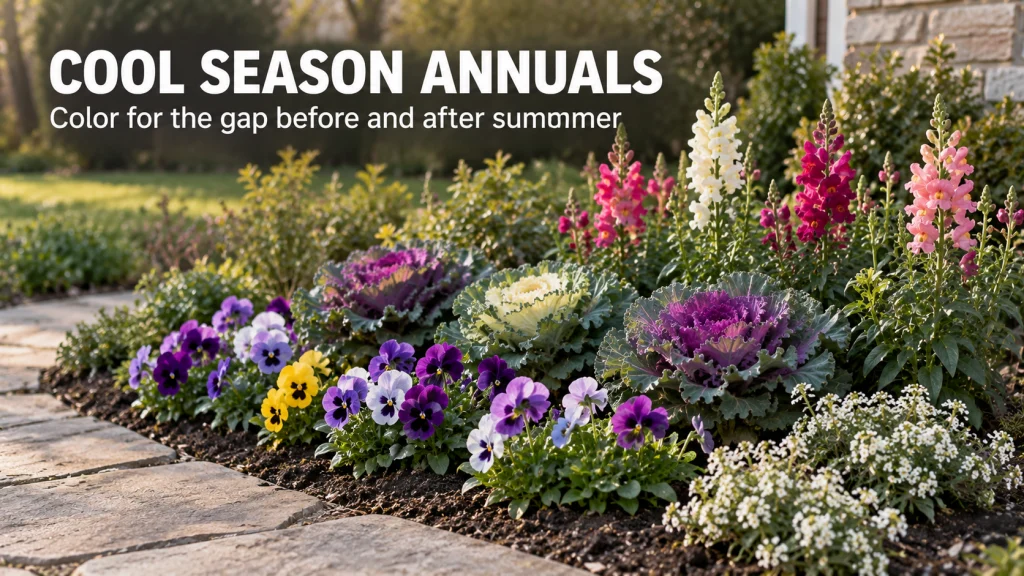
Cool Season Annuals

Cool-season annuals are most useful as a bridge between the coldest part of the year and the stretch of weather that favors summer flowers. The right planting window depends on the plant, local frost risk, heat buildup, site exposure, and whether the transplant is ready for outdoor conditions. A plant that tolerates a light frost

Drought-tolerant annual flowers after establishment still need a water plan

Drought Tolerant Annuals

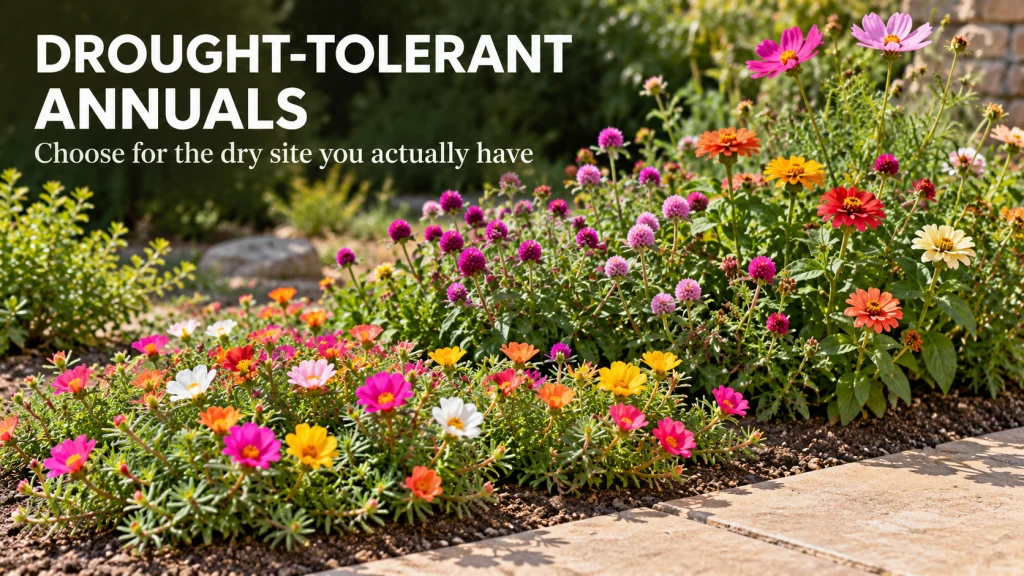
Drought tolerant annuals can reduce supplemental watering after they are established, but the label does not mean a new transplant can be ignored. The useful shortlist starts with the actual site: sun exposure, drainage, climate, available space, and how much establishment care you can provide. Plants such as rose moss, globe amaranth, gazania, spider flower,

Heat tolerant annuals for the part of summer that breaks the plan

Heat Tolerant Annuals

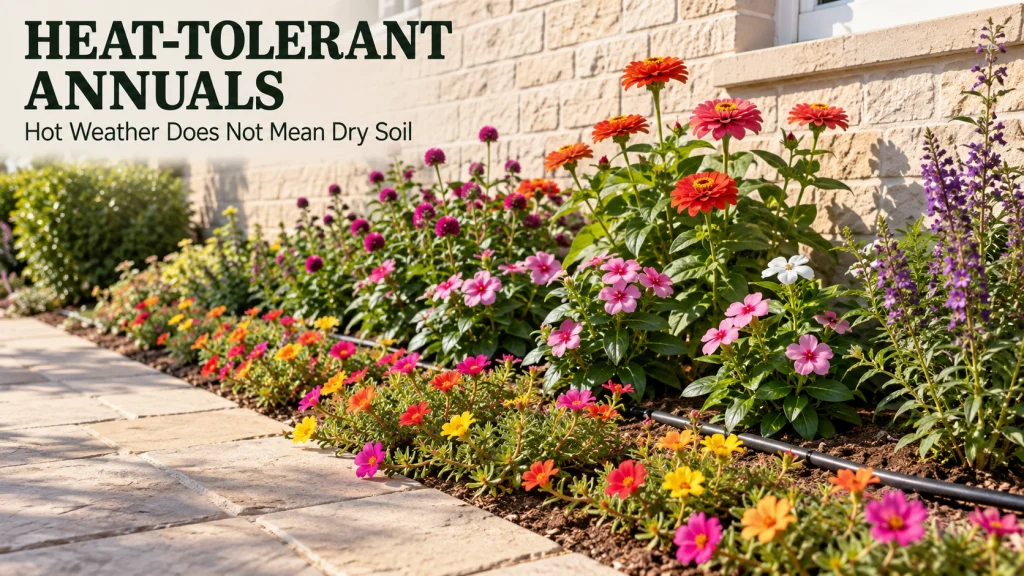
Heat tolerant annuals are useful when summer warmth becomes the main reason a flower bed loses momentum, but heat tolerance is not the same as drought tolerance. The right shortlist starts with the actual site, especially sun intensity, soil drainage, available moisture, local summer conditions, mature plant habit, and the amount of grooming you want

Annual flowers for shade when shade is not one light level

Annuals For Shade

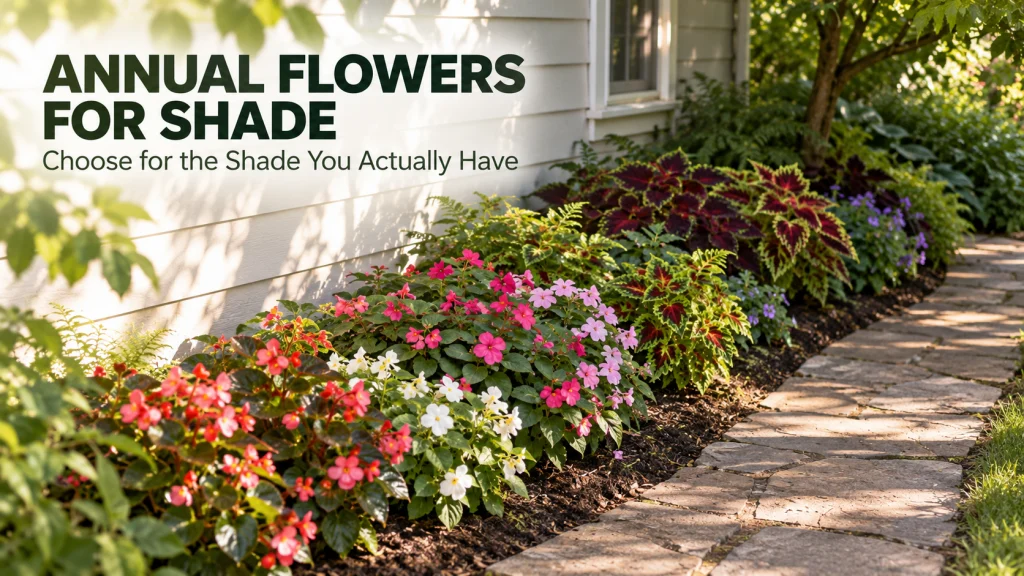
Annual flowers for shade are easier to choose when you separate the bed into a practical light category before looking at plant names. Part shade still includes useful direct sun, bright shade may have little direct sun but strong filtered or reflected light, full shade has more limited direct exposure, and deep shade has low

Full-sun annual flowers: choose for heat and water, not sun alone

Full Sun Annuals

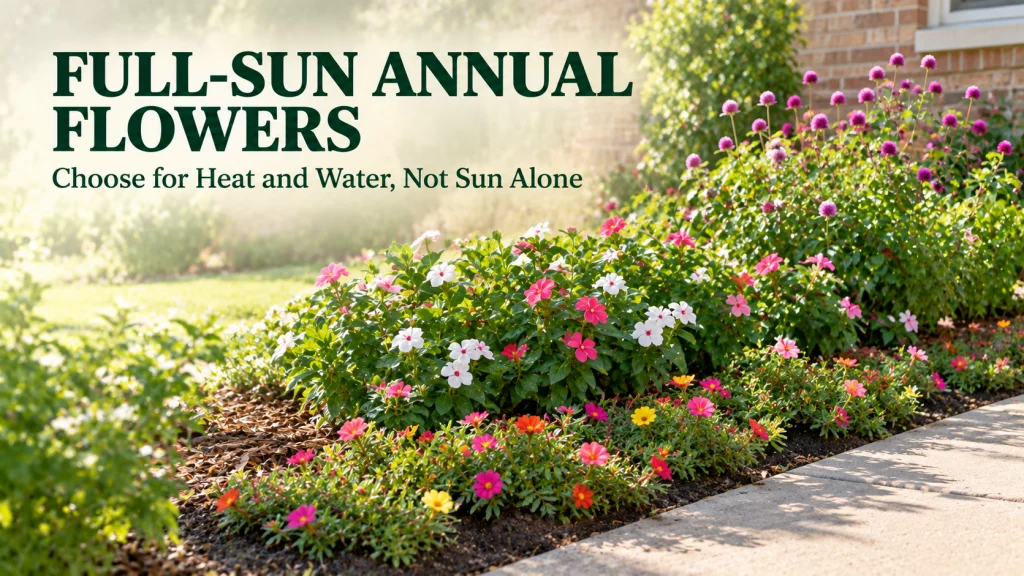
Full sun annuals are easier to choose when you treat sunlight as the first filter, not the whole answer. A bed that gets long direct sun can still differ sharply in summer heat, reflected heat, soil moisture, airflow, and how often you can water. The strongest shortlist matches those conditions with each plant’s documented light

Annual flowers work best when the season fits the plant

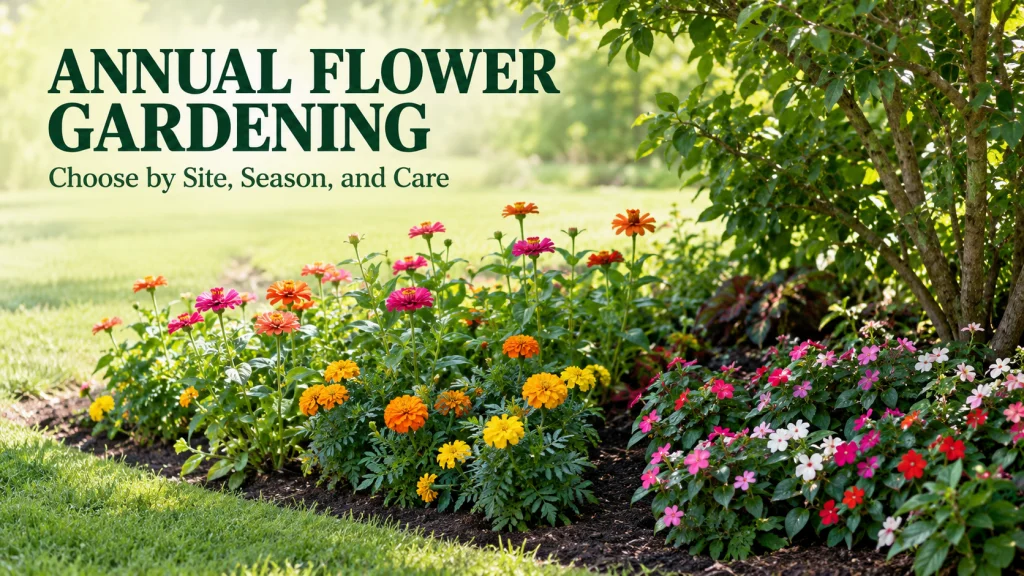
Annual Flower Gardening

Annual flower gardening works better when plant choice starts with site, season, mature habit, and recurring care instead of flower color alone. A plant that looks perfect on a garden center bench can struggle if its preferred temperature range, light exposure, moisture pattern, or maintenance needs do not match the bed at home. The useful