Full sun annuals are easier to choose when you treat sunlight as the first filter, not the whole answer. A bed that gets long direct sun can still differ sharply in summer heat, reflected heat, soil moisture, airflow, and how often you can water. The strongest shortlist matches those conditions with each plant’s documented light preference, moisture needs, mature habit, bloom behavior, and recurring care. That approach helps you avoid buying an annual that technically likes sun but is poorly matched to the actual site.
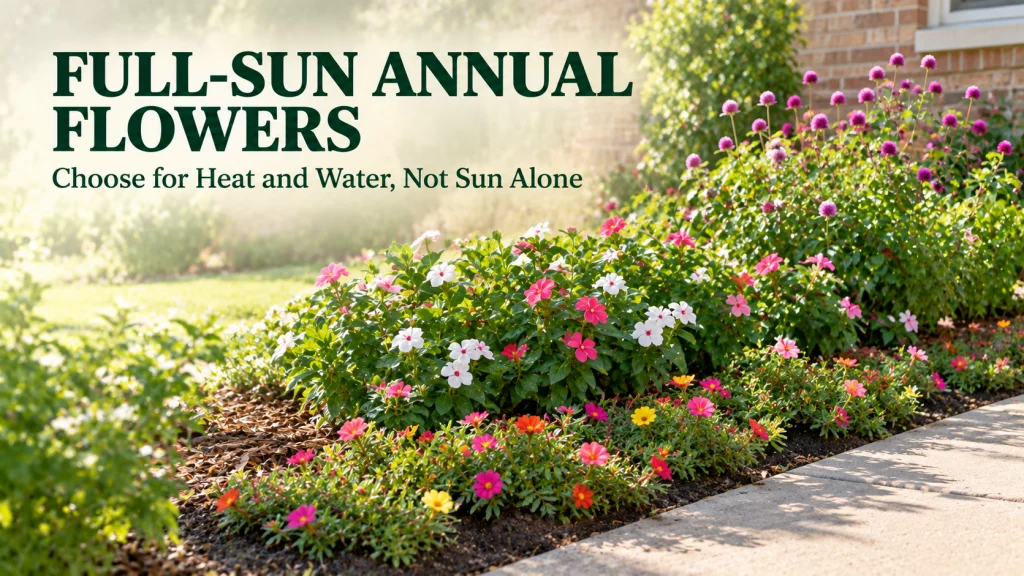
Full sun is not one growing condition
Full sun annuals are often presented as if every sunny bed asks the same thing from a plant. It does not. A border in open lawn can receive long direct light while staying relatively moderate after rain, while a narrow bed beside brick, stone, pavement, or a south-facing wall may become hotter and lose moisture faster. The useful question is not simply whether a plant accepts full sun, but whether it fits the kind of full sun your bed actually delivers.
That distinction matters because sunlight, heat, and water demand overlap without being identical. Some annuals tolerate hot, dry conditions once established, while others grow well in full sun but still perform best with more consistent moisture. Cool-season annuals can also carry a full-sun label yet look tired when the hottest part of the season arrives. Starting with the site rather than a generic flower list keeps the decision tied to conditions you can actually observe.

This digital 4-in-1 tester measures soil moisture, pH, temperature, and sunlight intensity. Its backlit LCD keeps the four readings together when comparing demanding full-sun spots. It uses four AAA batteries and is intended for gardening, farming, and outdoor plants.
Check On AmazonIf you click this link and buy, we earn a commission at no additional cost to you.
Define the site before building a flower list
Begin by looking at where the flowers will grow and what makes that location demanding. Note whether the bed gets morning sun, strong afternoon sun, reflected heat from nearby hard surfaces, or steady wind that dries foliage and soil faster. Then check how quickly the root zone dries after a thorough watering and whether the soil tends to stay evenly moist or swing from wet to dry. These observations are more useful than choosing from a long list labeled for full sun and hoping the plants sort themselves out.
Consider a west-facing front bed beside a concrete walk. It may receive plenty of direct light, but the harder constraint is the combination of late-day heat and faster moisture loss, especially if the bed is small and exposed. In that site, I would prioritize annuals documented for heat tolerance and reasonable dry-condition tolerance after establishment, then reject choices that prefer cooler conditions or consistently moist soil. The same shortlist could be wrong for a sunny bed that stays moist because of heavier soil or less reflected heat.
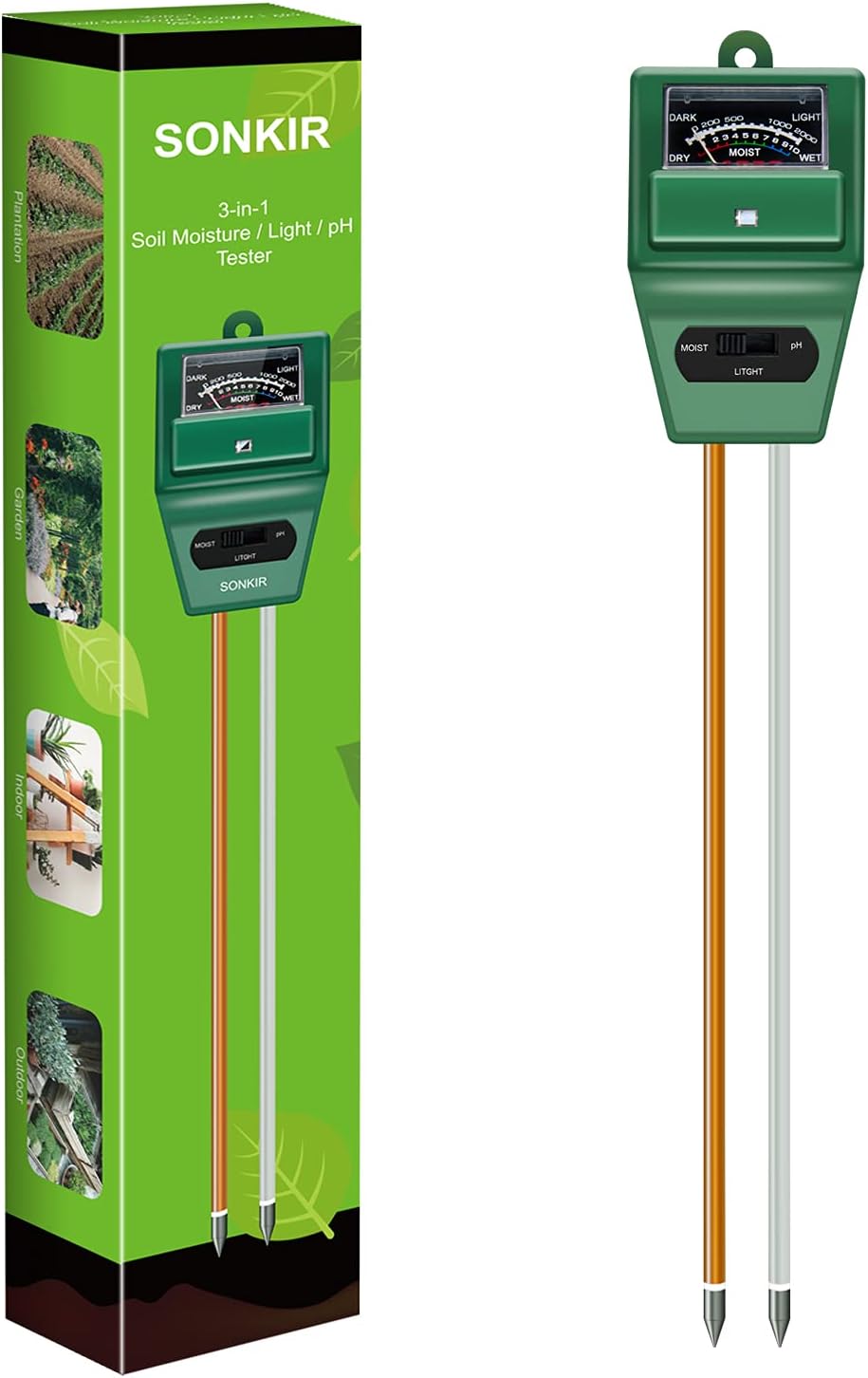
The MS02 measures soil moisture, pH, and relative light with a switchable three-function design. Its two metal probes are inserted into soil, and the unit requires no battery. It is suited to indoor and outdoor plant care, including garden and lawn checks.
Check On AmazonIf you click this link and buy, we earn a commission at no additional cost to you.
Set the non-negotiable light, moisture, climate, and space filters
Light comes first because a plant that needs shade is not a sensible candidate for a long-exposure bed. After that, moisture should become a separate filter rather than an assumption attached to the words full sun. Check whether the site stays moist after watering, drains quickly, or repeatedly dries hard between waterings. Also account for regional summer conditions, because the same plant can face very different heat and humidity loads in different parts of the United States.
Mature size is another non-negotiable filter that gets missed when shoppers focus on flower color. A compact edging annual and a tall, branching annual may both love sun, but they do different jobs and create different spacing, support, and airflow needs. Read the plant label for the exact type you are buying, because cultivars within the same broader plant group can differ in height, spread, flower form, and maintenance. If the mature habit does not fit the bed, color should not rescue it from the reject pile.
- Keep a candidate only if its light requirement matches the actual exposure.
- Check whether its moisture preference matches how quickly the bed dries.
- Account for summer heat, humidity, and reflected heat rather than using sun exposure alone.
- Verify mature height and spread for the exact type before assigning its position.
- Reject plants whose normal upkeep exceeds the time you want to spend on the bed.
These filters turn a vague search for pretty annuals into a practical fit test. They also make it easier to compare plants with very different habits without pretending that one species is automatically the best choice for every sunny yard.

This retractable 25-foot steel tape provides imperial and metric markings for quick bed and spacing measurements. A thumb lock holds the blade at the needed length, and the hook slot can anchor to a nail or screw head. The belt clip keeps it easy to carry while checking mature spacing.
Check On AmazonIf you click this link and buy, we earn a commission at no additional cost to you.
Remove candidates that fit the label but not the actual site
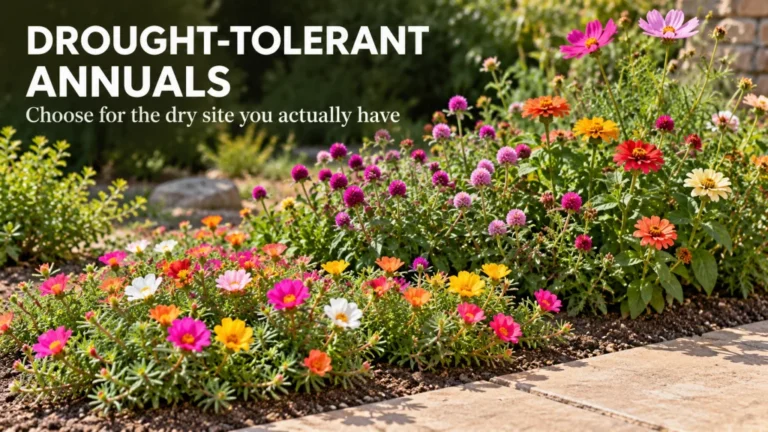
A full-sun label confirms an important requirement, but it does not promise equal performance in every hot or drying location. Snapdragon is a useful example of the difference because it can grow in full sun while also being associated with cooler parts of the growing season. That makes it a different choice from annuals commonly documented for hot, dry conditions, such as portulaca, gomphrena, or vinca. The label gets a plant onto the first draft of the list, while heat and moisture fit decide whether it stays there.
Use the same logic when a plant is described as drought tolerant. Drought tolerance does not mean a fresh transplant should be ignored after planting, and it does not mean every cultivar will behave identically in every region. Extension guidance for drought-tolerant annuals still emphasizes watering during establishment before expecting lower water demand later. A plant that is well suited to a dry summer bed can therefore be a poor choice if you cannot support it through the establishment period.
Choose an annual only because the tag says full sun, then assume heat tolerance, drought tolerance, and low maintenance come with it.
Use full sun as the entry requirement, then verify heat response, moisture preference, mature habit, and expected care for the exact type.
The practical benefit is simple: you stop asking one label to answer four different questions. That makes the shortlist smaller, but each remaining plant has a clearer reason to be there.

This battery-free meter provides instant soil moisture readings on a clear 10-scale dial. Its single 304 stainless steel probe is designed to reduce root disturbance while checking the root zone. It is intended for indoor and outdoor plants and should be wiped clean after use.
Check On AmazonIf you click this link and buy, we earn a commission at no additional cost to you.
Compare the traits that matter for full-sun annual selection
Once obvious mismatches are gone, compare the remaining annuals by the conditions that will shape daily care. Heat response matters most in exposed beds, while moisture demand matters more where irrigation is limited or soil dries quickly. Habit matters in small beds, along paths, and wherever taller plants may need support. Grooming matters when you want a planting that stays presentable without frequent deadheading, pinching, or trimming.
The table below is a decision aid rather than a universal ranking. It compares a small group of useful candidates so you can see how heat, moisture, mature habit, season, and grooming create different reasons to choose or reject plants that all tolerate strong light. Exact behavior still varies by species, cultivar, region, and site conditions. Start with the row that matches your strongest constraint, then decide whether that plant’s habit and recurring care still fit the bed.
| Candidate | Where it fits best | Habit or workload cue | What should make you pause |
|---|---|---|---|
| Portulaca | Hot, dry, well-drained sites where a low-growing plant makes sense | Typically stays low and works well near edges or in open, exposed positions | Wet or poorly drained conditions work against the reason for choosing it |
| Gomphrena | Hot, dry beds where durability matters and moderate height is useful | Offers upright flower heads and can also serve as a cut or dried flower | A very low edging role may call for a shorter plant instead |
| Gazania | Sunny, hot, dry positions where a compact habit is useful | Usually remains relatively low, which can suit fronts of beds and smaller spaces | It is a weaker fit for a site that routinely stays wet |
| Marigold | Sunny beds with average moisture where dependable color matters more than extreme dry-site tolerance | Height varies by type, and deadheading can improve rebloom | Taller cultivars can need more room or support than a compact border allows |
| Snapdragon | Sunny sites during cooler parts of the growing season | Available from short border forms to tall types, with spent flower removal helping rebloom | Do not choose it mainly as a solution for the hottest part of summer |
The point is not to collect the most plant names. It is to make each name earn its place by solving a condition that actually exists in the bed, while avoiding a new problem with size, season, drainage, or routine care.

These weatherproof top-spiral notebooks measure 3 by 5 inches and come as a three-pack. Each notebook uses a compact universal page pattern and a Polydura cover for outdoor note taking. The format is practical for recording candidate traits, site observations, and grooming notes while comparing annuals.
Check On AmazonIf you click this link and buy, we earn a commission at no additional cost to you.
Separate establishment needs from long-term tolerance
One of the easiest mistakes with heat-tolerant or drought-tolerant annuals is treating long-term tolerance as an instruction for the first days after planting. Newly planted annuals have limited root systems in the surrounding soil and may need closer moisture attention while roots expand. Guidance for drought-tolerant annuals commonly makes this distinction, noting that plants may need supplemental water during establishment even when mature plants handle drier conditions well. That is why the care plan should have an establishment phase and a later maintenance phase.
This distinction also prevents overwatering plants selected for hot, well-drained sites. Once a plant is established, repeatedly watering on a rigid schedule can be unnecessary or counterproductive if the root zone is still moist. Check the soil and the plant’s documented needs instead of assuming that full sun always means daily watering. The goal is to keep the root zone appropriately moist for the plant and site, then adjust as weather, plant size, and soil drying rate change.

This 15-inch metal watering wand offers 10 spray patterns for different watering tasks. Thumb flow control adjusts water from off to higher or lower flow without repeatedly reaching for the faucet. It connects to standard 3/4-inch garden hose threads and can deliver gentler patterns for newly planted annuals.
Check On AmazonIf you click this link and buy, we earn a commission at no additional cost to you.
Check bloom window, mature habit, and recurring grooming before buying
Flower color gets attention at the nursery, but bloom timing and mature habit determine how the bed works for the rest of the season. Some annuals are better suited to cooler periods, while others are selected specifically because they continue performing through summer heat. A tall type can provide height in the back of a border but may need more support or spacing than a compact front-edge cultivar. The same genus can include forms that behave differently enough that the exact label matters.
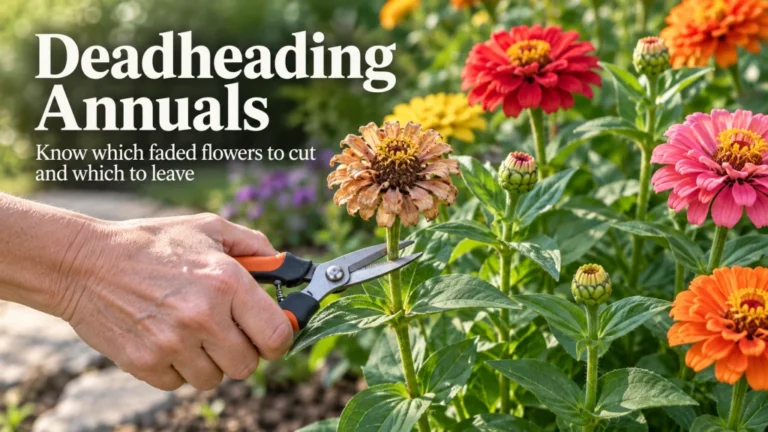
Grooming can be just as important as water use if you want a lower-work planting. Some annuals benefit from deadheading or removal of spent flowers to encourage rebloom or keep the plant looking tidy, while others ask for less routine attention. Illinois Extension, for example, notes that deadheading can benefit annuals such as marigolds, salvia, cosmos, and snapdragons. If you know you will not keep up with that task, favor candidates whose normal display does not depend heavily on repeated grooming.
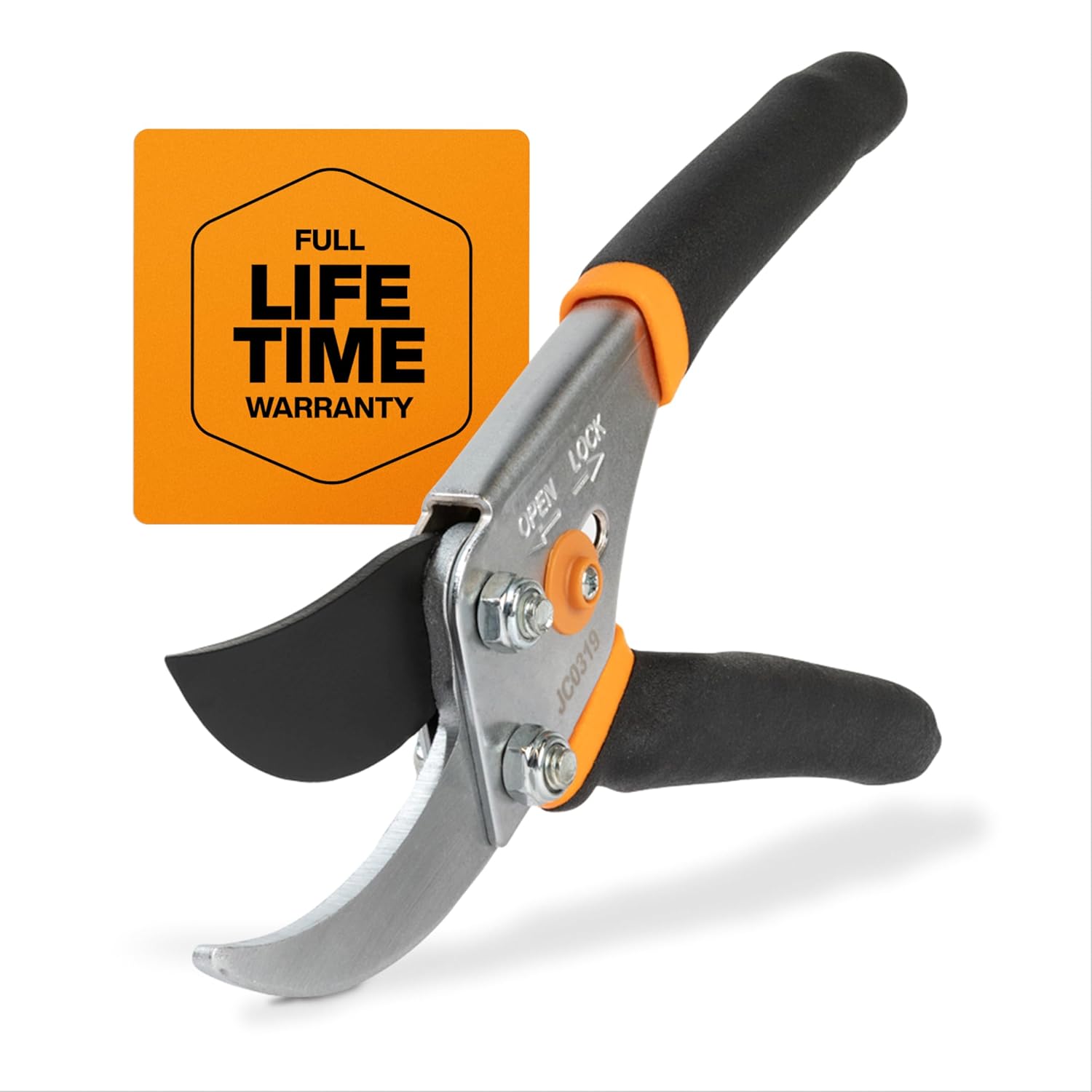
These bypass pruning shears cut stems and branches up to 5/8 inch thick. The steel blade uses a low-friction coating, while a sap groove helps reduce sticking during repeated cuts. The non-slip grip and bypass action suit routine trimming and deadheading work around annual flower beds.
Check On AmazonIf you click this link and buy, we earn a commission at no additional cost to you.
Treat resistance and low-maintenance labels as conditional
Labels such as drought tolerant, deer resistant, or low maintenance are useful only when you know what condition they describe. Drought tolerance usually refers to better performance under limited moisture after establishment, not freedom from watering under every condition. Deer resistance means a plant may be less preferred, not that hungry deer will never browse it. Low maintenance can still involve watering, deadheading, staking, trimming, or replacement when the season changes.
When browsing annuals that may be less attractive to deer, keep that decision separate from heat and moisture fit. A plant can be a reasonable deer-resistant candidate yet still be wrong for a hot, reflective bed or for a site that stays wetter than it prefers. The same separation helps with marketing phrases on plant tags, which often compress several different conditions into a small amount of space. Verify the exact plant’s cultural needs first, then treat resistance claims as one factor rather than a guarantee.
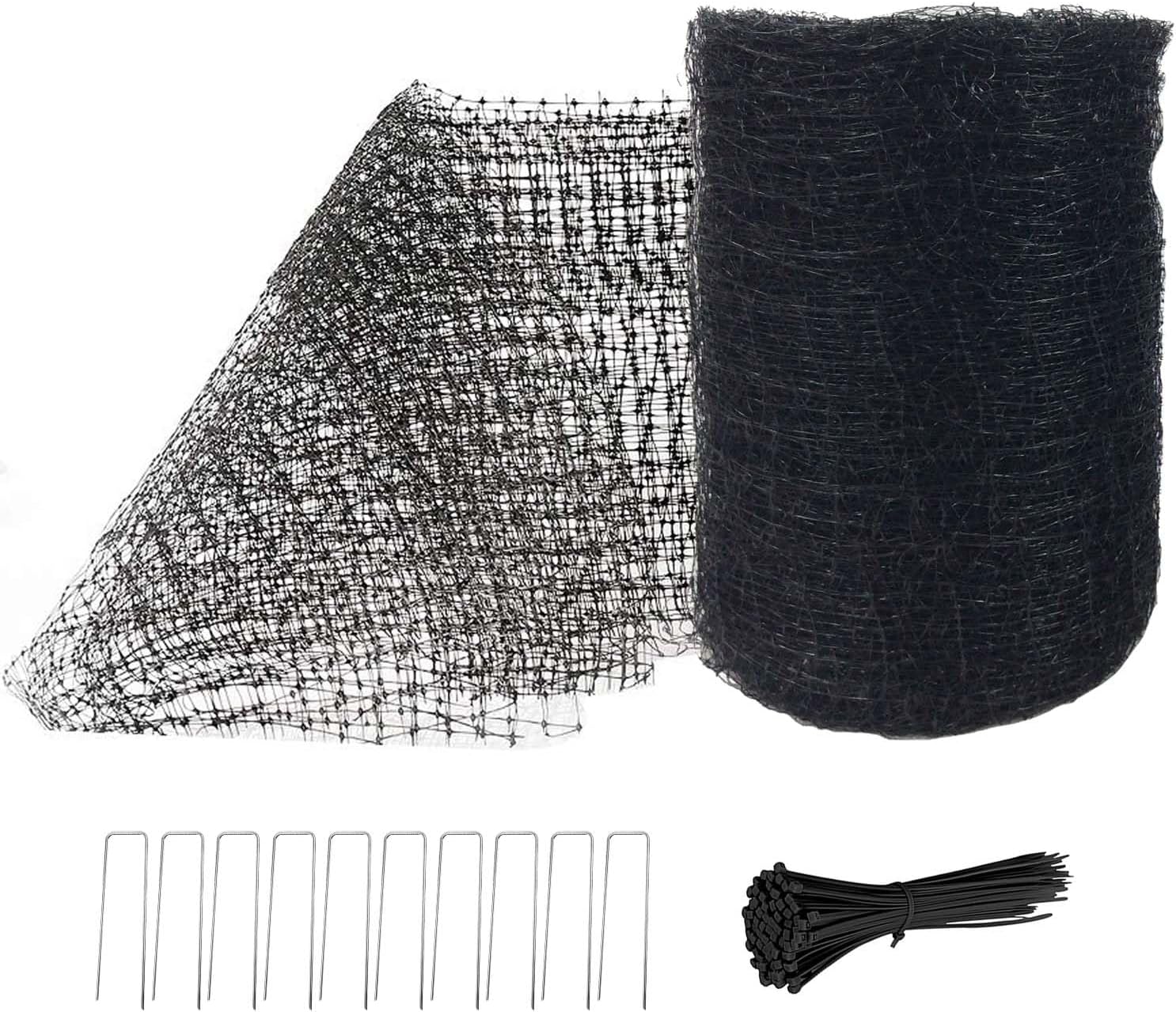
This black polypropylene garden netting measures 7 by 100 feet with 3/4-inch mesh. The kit includes 10 stakes and 50 zip ties for installing a temporary barrier around beds or individual planting areas. Its lightweight reusable construction gives physical protection from deer and other animals without relying on a resistance label alone.
Check On AmazonIf you click this link and buy, we earn a commission at no additional cost to you.
Use broader annual flower guidance for decisions beyond sun exposure
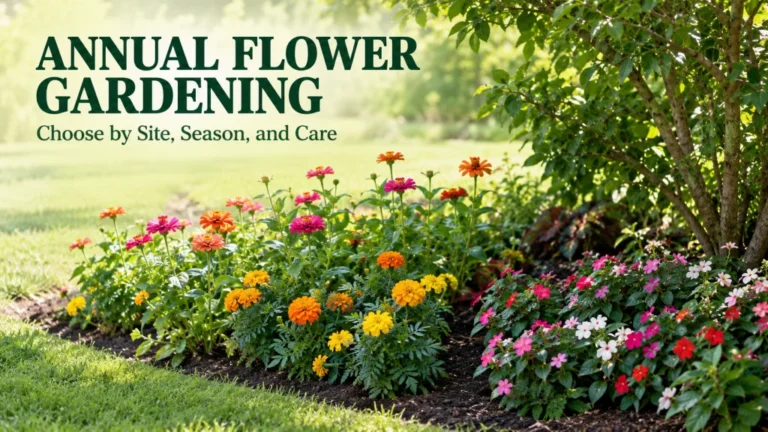
This page is deliberately narrow: it helps you choose annuals when direct sun is already part of the site. For broader questions about seasonal annual care, planting roles, and how different annual types fit a home bed, use the annual flower gardening guide. If the larger decision is how annuals fit with other ornamental plants and the rest of a residential flower garden, the flower gardening guide gives that wider context. Keeping those decisions separate prevents a full-sun shortlist from turning into a generic ornamental gardening manual.
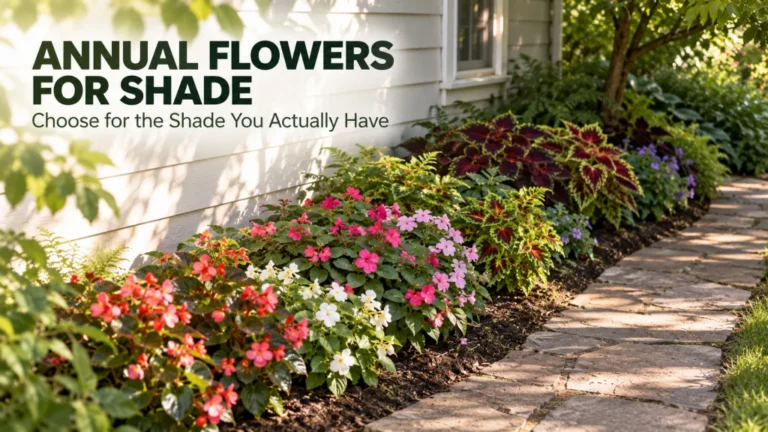
The same boundary applies at the opposite end of the light spectrum. If your site receives limited direct sun, use the dedicated guidance on annuals for shade instead of trying to force a sun-loving plant into a weak-light location. Soil correction, irrigation design, propagation, and symptom diagnosis also deserve their own focused decisions when those become the real problem. A good plant choice begins with knowing which question you are actually trying to answer.

This heavy-duty hand trowel uses a cast-aluminum head for digging and planting in garden soil. The ergonomic handle is shaped for control and comfort during repeated planting work. At 12.25 inches long and 6.4 ounces, it is compact enough for routine annual planting and bed maintenance.
Check On AmazonIf you click this link and buy, we earn a commission at no additional cost to you.
Build the final shortlist from the strongest constraints first
By the time you make the final list, the strongest constraints should have removed more plants than personal preference has added. Start with direct light, then sort by heat exposure and moisture behavior, followed by mature size, season, and recurring care. After those filters are satisfied, compare flower color, form, texture, pollinator value, or other design preferences. This order keeps the bed’s real conditions in charge of the decision instead of letting an attractive display plant dictate the site.
For the hot west-facing example, a sensible shortlist would begin with annuals documented for stronger heat or dry-condition tolerance, then narrow by mature height and the amount of grooming you want to do. Portulaca or gazania may make sense where a low habit is useful, while gomphrena can fill a somewhat taller role without abandoning the dry-site filter. A cooler sunny bed with steadier moisture could support a different list even though both sites receive long direct light. If two candidates satisfy the same constraints, color and flower form can make the final choice without overruling site fit.

This set includes 120 PVC plant labels plus a permanent marking pen. Each label is about 4 inches high by 0.62 inches wide and is designed for outdoor use. The tags are useful for marking shortlisted cultivars or planting positions so mature size, color, and care choices stay tied to the exact plant.
Check On AmazonIf you click this link and buy, we earn a commission at no additional cost to you.
Final thoughts: choose for the sun you actually have
The phrase full sun tells you how much light a plant can use, but it does not describe the whole planting environment. Heat, reflected heat, soil moisture, seasonal conditions, mature size, and maintenance can all change which annual is the better fit. A strong shortlist therefore begins with the harshest or least flexible site condition and works outward from there. That is more reliable than starting with a generic list of popular flowers.
Give new transplants the establishment care they need before judging their long-term heat or drought tolerance. As the plants settle in, let actual soil drying, weather, mature size, and grooming demand tell you whether the match is working. Skip choices whose normal water, space, or maintenance demands do not fit the way you actually garden. The strongest choice is the one that handles the site’s constraints without creating a routine you do not want.

This outdoor rain gauge uses a clear plastic tube, large scale, and red floating buoy to make water levels easier to read. Its three-section stake adjusts to about 19 or 29 inches high for garden placement. The removable tube lets you check and empty measured rainfall before comparing natural precipitation with your watering routine.
Check On AmazonIf you click this link and buy, we earn a commission at no additional cost to you.
Frequently asked questions
☀️ How much direct sun do full sun annuals need?
Many horticultural references use roughly six or more hours of direct light as the starting point for full sun, but the exact plant label should guide the final choice. Also check whether that light arrives with extreme afternoon heat or reflected heat, because those conditions can change moisture demand and plant fit.
💧 Do drought tolerant annuals need watering after planting?
Yes. Drought-tolerant annuals still need adequate moisture while establishing roots, and they may need supplemental water during prolonged dry periods. Reduce watering only when the root zone, weather, and the plant’s documented needs support that change.
🌡️ Are all full sun annuals good in extreme summer heat?
No. Full sun describes a light requirement, while heat tolerance is a separate trait. Some annuals perform better in cooler parts of the season even when they accept full sun, so match the plant to your regional summer conditions as well as the light level.
🌸 Which annuals are worth checking for a hot, dry bed?
Portulaca, gomphrena, vinca, gazania, and several other annuals are commonly documented for hot or dry conditions. Treat those names as a starting shortlist, then verify the exact type, mature size, establishment needs, and local growing conditions before buying.
✂️ Do full sun annuals need deadheading?
Some do and some need much less grooming. Deadheading can improve appearance or rebloom in plants such as marigolds, cosmos, salvia, and snapdragons, while other annuals may stay presentable with less attention. Check the exact type if low maintenance is a priority.
🪴 Can I use the same full sun annuals in containers and in-ground beds?
Sometimes, but containers usually have less soil volume and can dry faster than in-ground beds. A plant that fits both settings may still need a different watering routine, so compare container size, exposure, and the plant’s moisture needs before treating the two sites as equivalent.
References and sources
- UMass Extension annuals for sun: Supports full-sun annual selection by plant type, moisture preference, and maintenance characteristics.
- Iowa State University drought-tolerant annuals: Supports the distinction between establishment watering and later dry-condition tolerance for selected annuals.
- Illinois Extension caring for annuals: Supports watering, moisture, mulching, and grooming guidance for annual flower beds.
- Illinois Extension snapdragon: Supports using season and temperature preference as separate filters from full-sun exposure.