Raised bed vs container garden: open bottom or closed root zone
Raised Bed Vs Container Garden

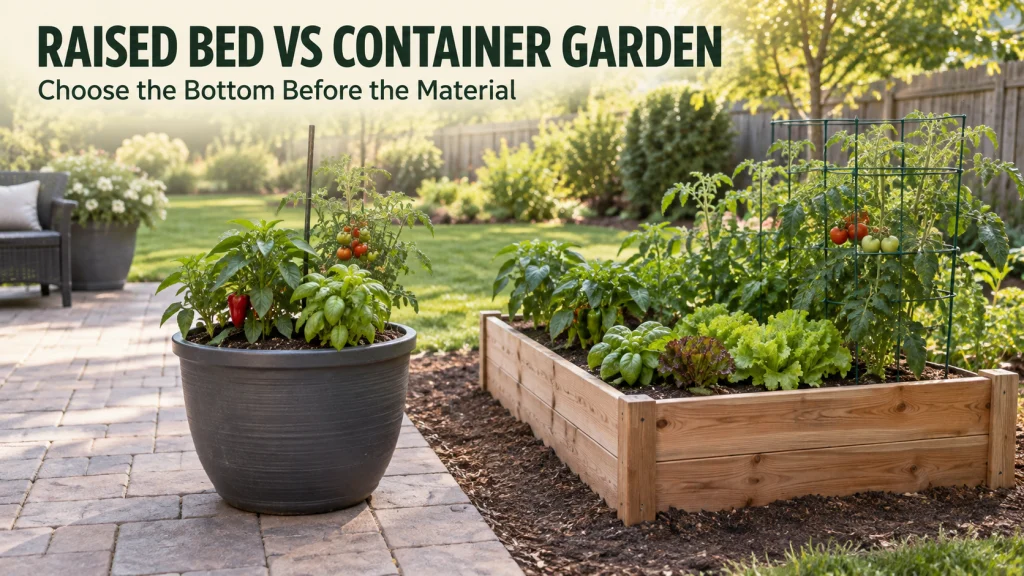
A raised bed and a container can sit at the same height and still create very different root zones. The most useful distinction is whether roots can continue into the ground below or remain inside a closed volume of growing media. That difference affects rootable depth, portability, watering margin, fill volume, stability, and how permanent
A vegetable garden layout that still works in midsummer

Vegetable Garden Layout

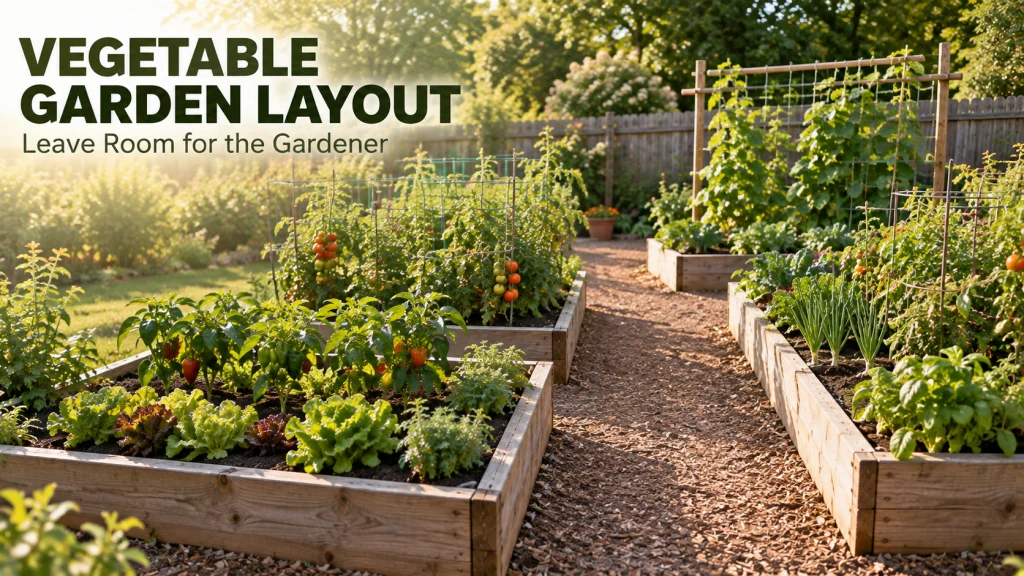
A useful vegetable garden layout starts by subtracting the space needed for walking, reaching, turning, harvesting, and carrying tools before crops are placed. Rows, wide rows, blocks, and multiple plots can all work, but each trades planting density against access and maintenance in a different way. Tall crops and trellises should be positioned with their

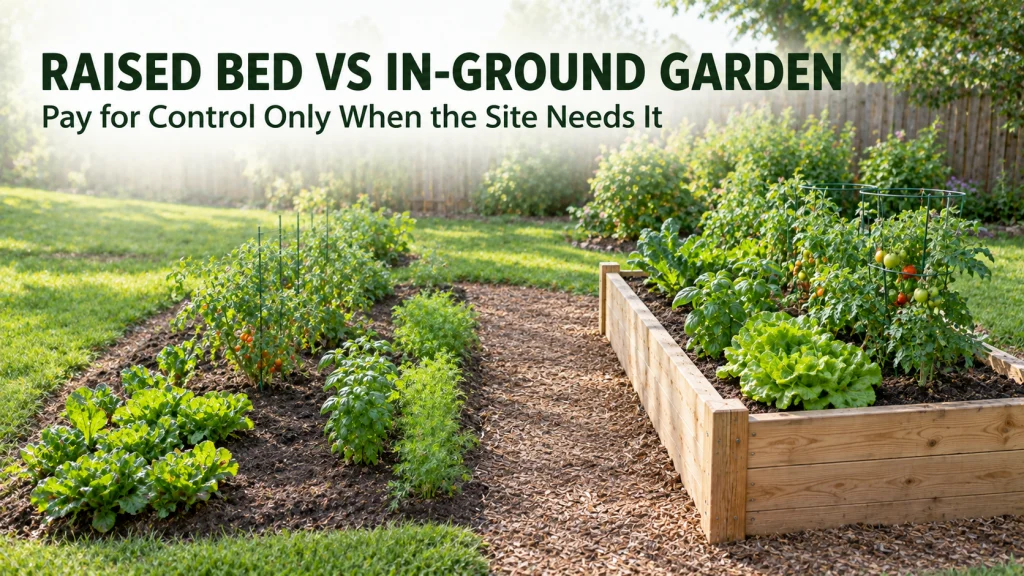
Raised bed vs in ground garden: pay for control only when the site needs it

Raised Bed Vs In Ground Garden

Raised beds make sense when they solve a real problem with soil, drainage, access, or the usable growing area. In-ground planting is often the simpler choice when the existing soil can be used safely, water moves through the site reasonably well, and working at ground level is practical. The comparison should include the cost and

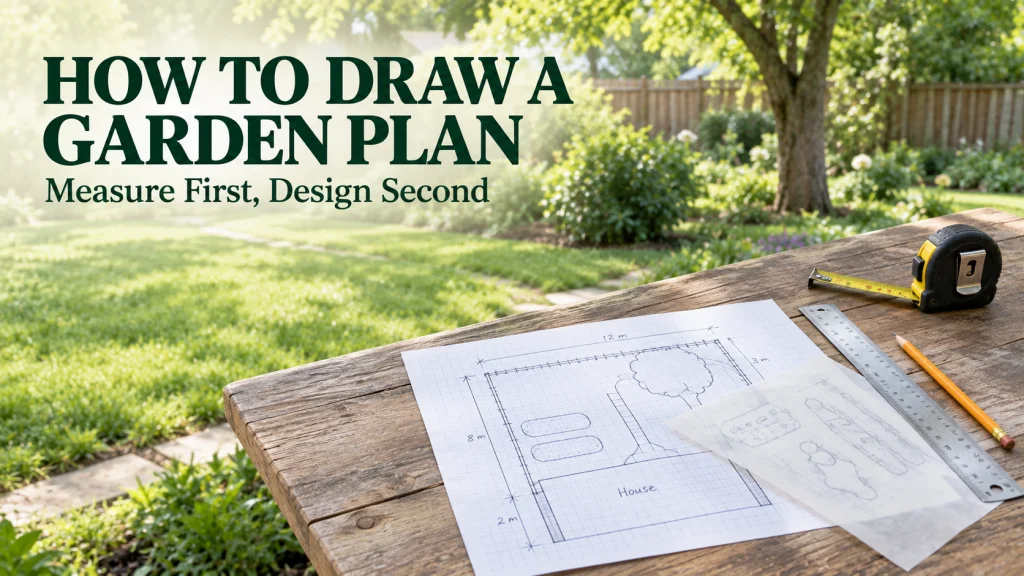
Measure first when you draw a garden plan

How To Draw A Garden Plan

A useful garden plan starts with measurements, fixed reference points, and a base map that reflects the space you actually have. The goal is not artistic perfection, but a dependable drawing that shows boundaries, buildings, trees, paths, and other features before planting ideas are added. Irregular edges can be handled with repeatable measurements, while a

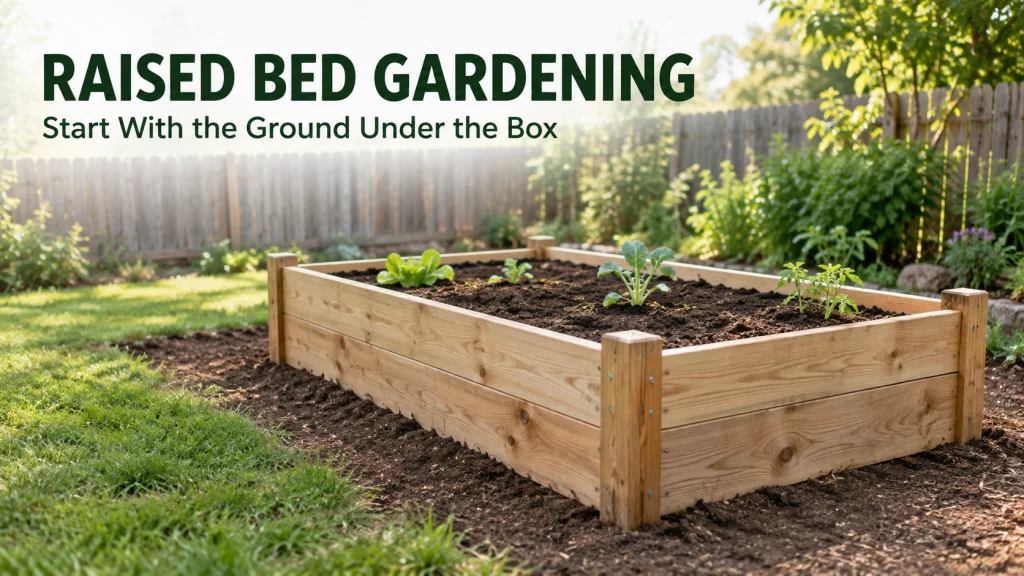
Raised bed gardening starts with the ground under the box

Raised Bed Gardening

Raised bed gardening works best when the bed is chosen from the site upward, not from a catalog size downward. The ground below the frame, the distance you can comfortably reach, the crops you plan to grow, and the amount of soil you need all change what a sensible bed looks like. An open-bottom bed

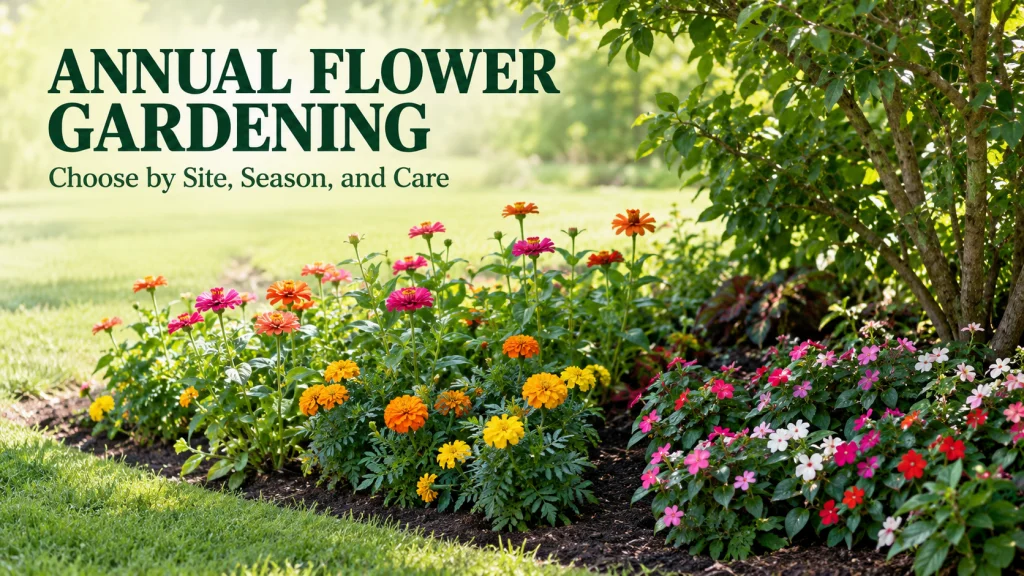
Annual flowers work best when the season fits the plant

Annual Flower Gardening

Annual flower gardening works better when plant choice starts with site, season, mature habit, and recurring care instead of flower color alone. A plant that looks perfect on a garden center bench can struggle if its preferred temperature range, light exposure, moisture pattern, or maintenance needs do not match the bed at home. The useful

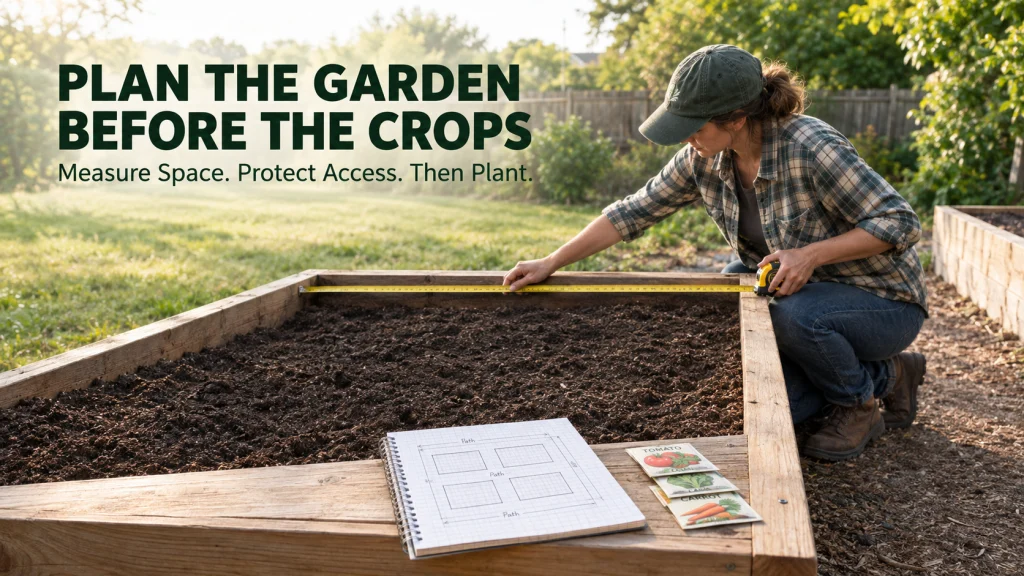
Garden planning that makes the space earn its place

Garden Planning

A useful garden plan starts with fixed facts about the space, then adds crops, timing, spacing, access, and workload in that order. The goal is not to make every seed packet fit, but to make the garden workable through planting, maintenance, harvest, and seasonal change. Local climate, crop requirements, soil conditions, and the amount of

The gardening rabbit hole starts when every problem looks like it needs a product

Gardening Rabbit Hole

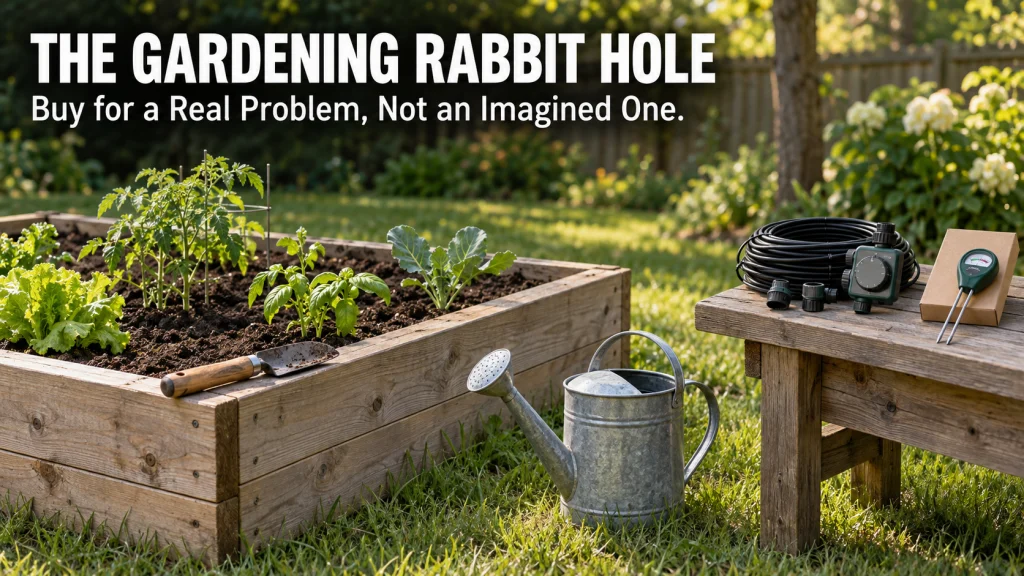
A useful garden setup can become complicated long before the plants or the site actually demand it. The better question is not whether another tool, amendment, bed accessory, or watering part could help, but whether it solves a constraint you can already name. A simple setup is not incomplete just because more specialized options exist.

A 4×8 raised bed is not one product: current dimensions and soil capacity compared

4X8 Raised Bed Dimensions

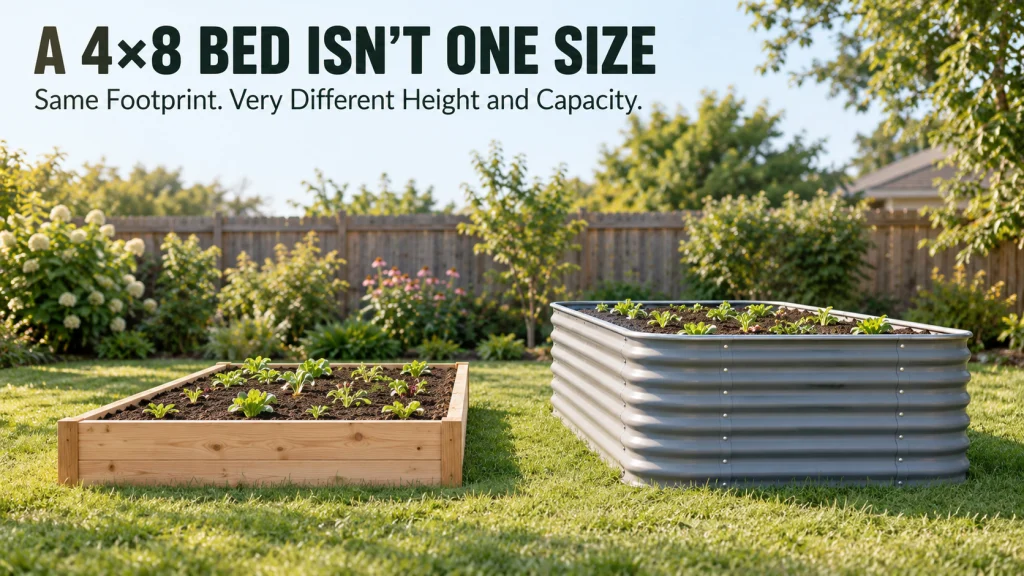
A 4×8 label tells you the nominal footprint, but it does not tell you the bed height, wall construction, configuration, or published fill capacity. In a current same-footprint sample, published capacity ranges from 28 cubic feet for a 10.5-inch cedar bed to 69 cubic feet for a 26-inch modular metal configuration. That difference matters when