Compost Application Calculator
Estimate compost volume for a measured area and layer depth you provide.
COMPOST QUANTITYOpen calculator

Estimate compost volume for a measured area and layer depth you provide.
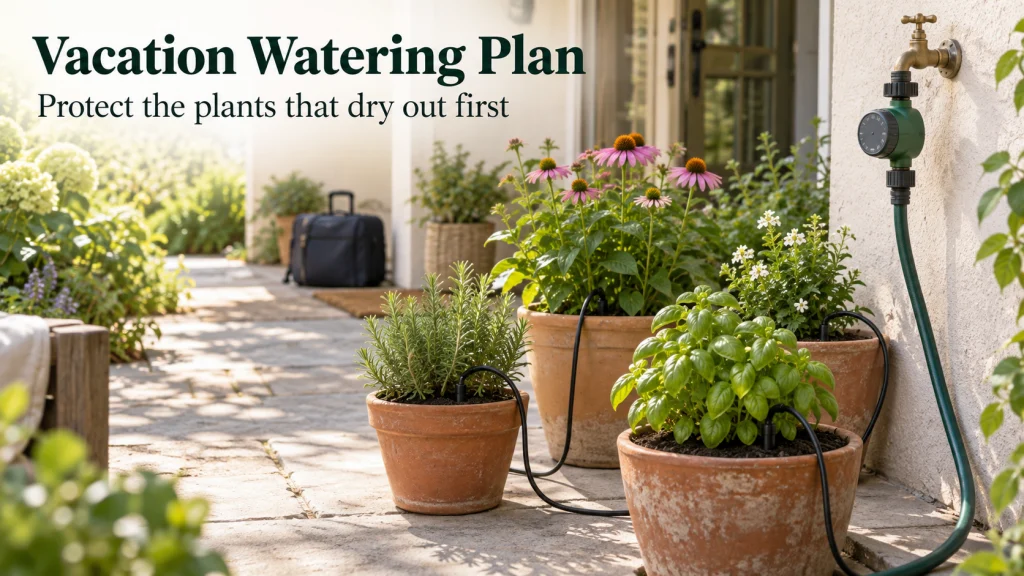
Vacation watering works best when you first identify which parts of the garden are most likely to run short of moisture, then match those areas to the simplest reliable coverage method. Containers, recent plantings, exposed beds, and other limited root zones often deserve more attention than established areas that can tolerate the expected gap. Weather,
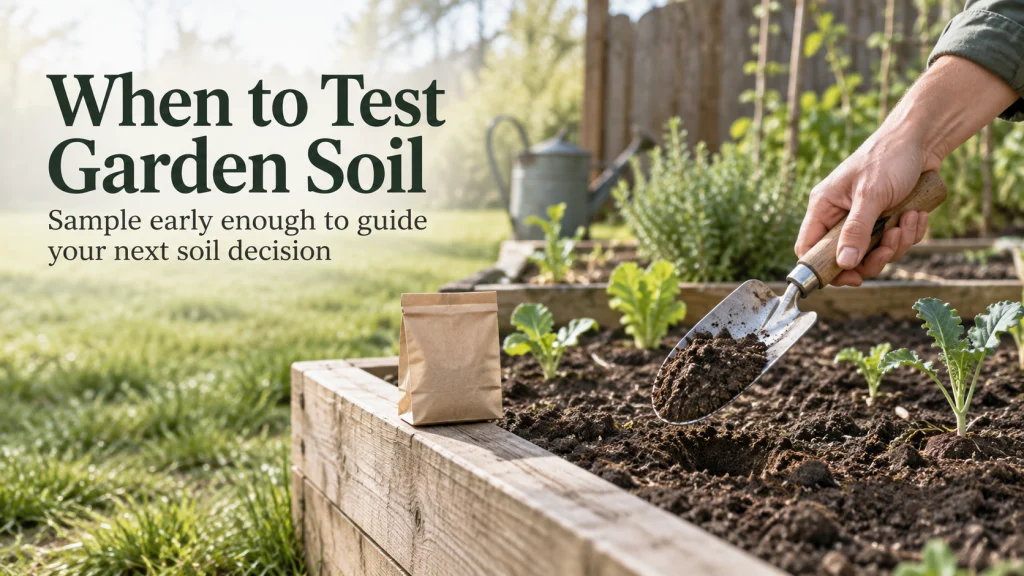
Choosing when to test garden soil works better when you start with the decision the result needs to guide, not with a universal month on the calendar. The useful sampling window depends on the laboratory’s instructions, the condition of the soil, the amendment or planting decision ahead, and how much time you need to receive
Calculate approximate container volume from measured inside dimensions.
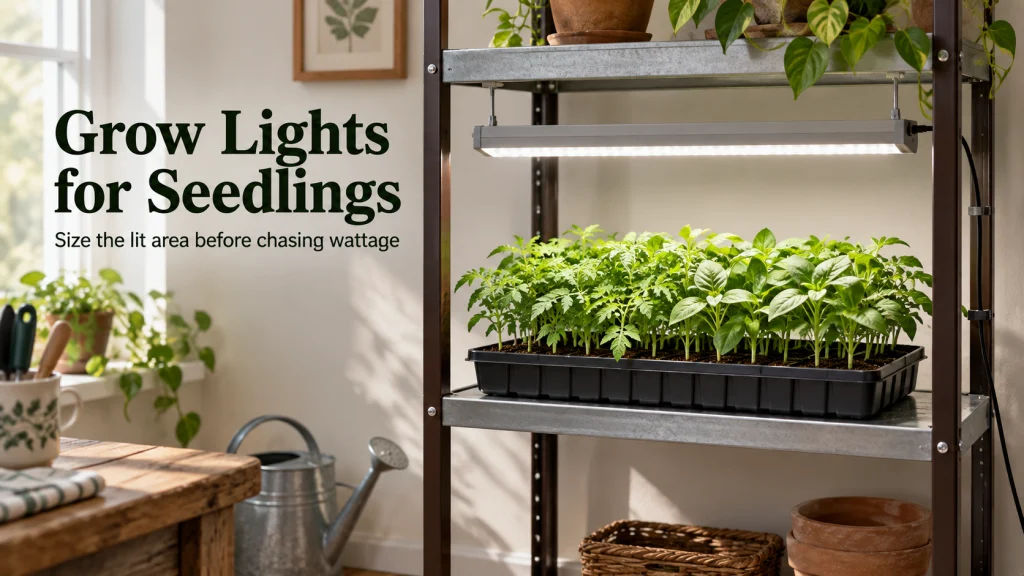
Grow lights for seedlings work best when the fixture is matched to the area that actually needs useful light, not chosen by wattage alone. Start with the tray footprint, then check whether the fixture can cover that footprint at an appropriate adjustable distance without creating avoidable heat or electrical problems. A consistent light and dark
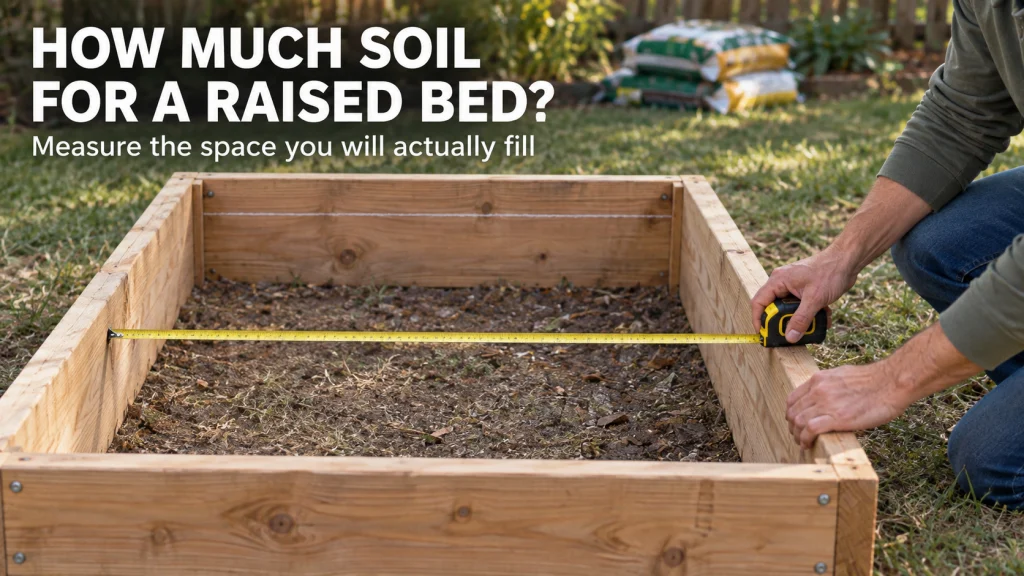
A raised bed soil order should start with the space you actually plan to fill, not the size printed on a kit or the outside dimensions of the frame. Measure the usable inside length and width, decide the intended fill depth, then calculate cubic feet before converting to cubic yards or bag counts. Freeboard, wall
Estimate soil volume from inside bed measurements and planned fill depth.
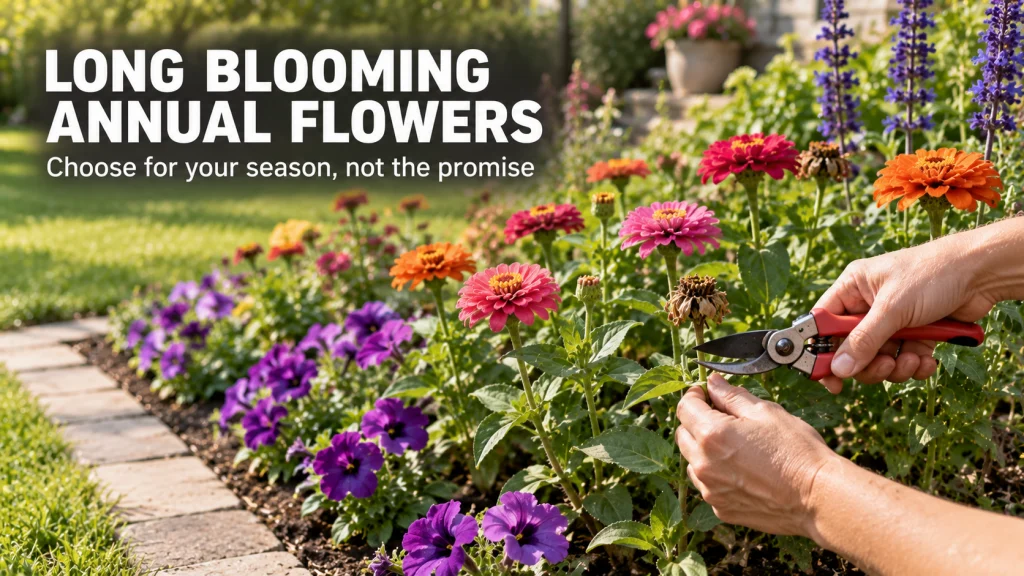
Long blooming annual flowers are not simply the plants with the boldest promise on a tag. A useful choice depends on whether a plant keeps producing flowers naturally, needs deadheading or trimming, tolerates the hottest part of the local season, and fits the light, moisture, and space actually available. The best shortlist starts with those
Turn your seed test counts into an observed germination percentage.
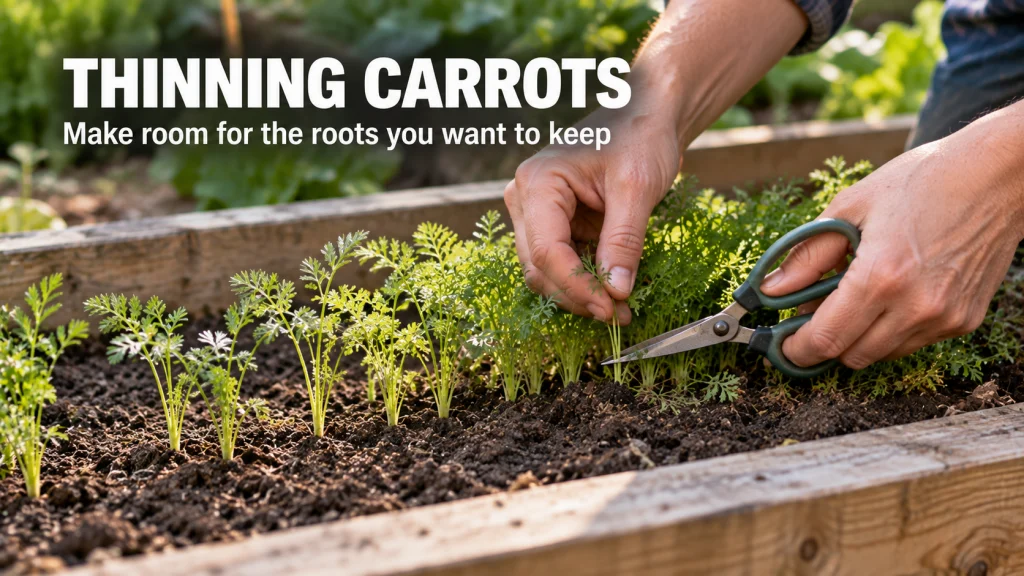
Dense carrot seedlings need enough room for the roots you actually want to harvest, but thinning too aggressively can disturb the plants you mean to keep. A useful approach is to wait until the seedlings are established enough to identify and handle, then set the final spacing from expected root size rather than from how
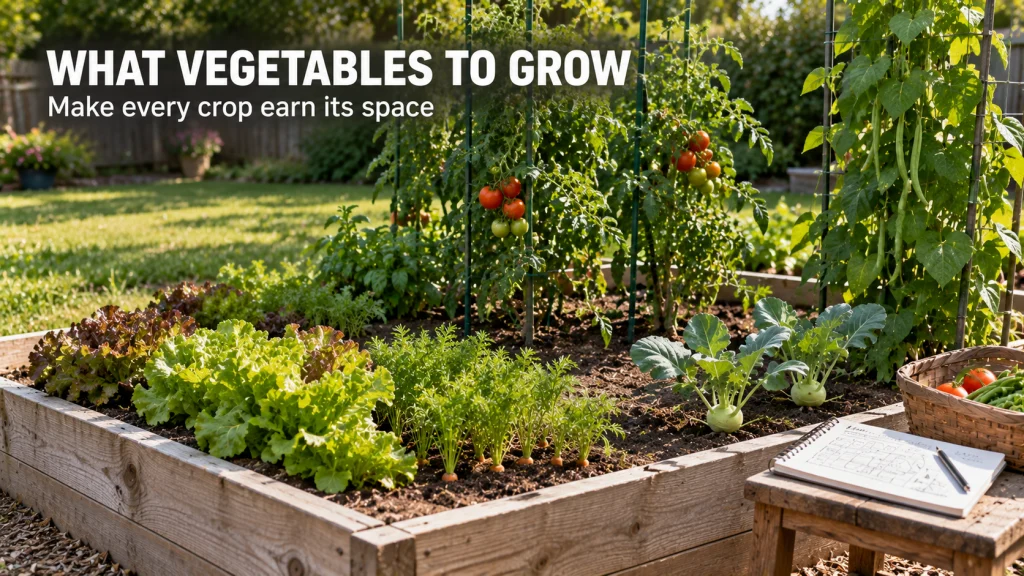
Choosing what vegetables to grow is easier when every crop has to justify the space it will occupy. Start with food your household will actually use, then filter the list by local season, mature footprint, support needs, time to production, care burden, and how you expect to use the harvest. The right shortlist changes with

Garden tool maintenance works better when cleaning, disinfection, sharpening, rust control, handle care, and storage are treated as separate jobs instead of one end-of-season ritual. A tool can be clean but still need disinfection, sharp but still have damaging rust, or dry but poorly supported in storage. The practical sequence is to identify the problem
Build repeat sowing dates from a start day and the interval you choose.
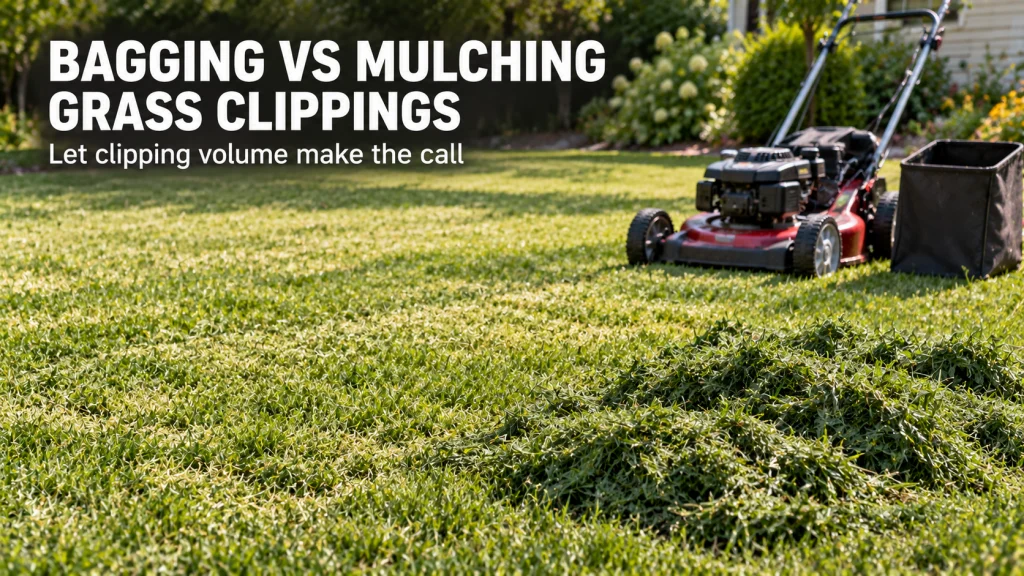
Grass clippings do not need the same treatment after every mow. Short, dry clippings that settle into the canopy can usually stay, while heavy or wet clipping loads are more likely to form mats that should be broken up or collected. Disease and seed-bearing weeds can create specific reasons to bag, but neither situation supports
Work backward from your target transplant date using the lead time you enter.
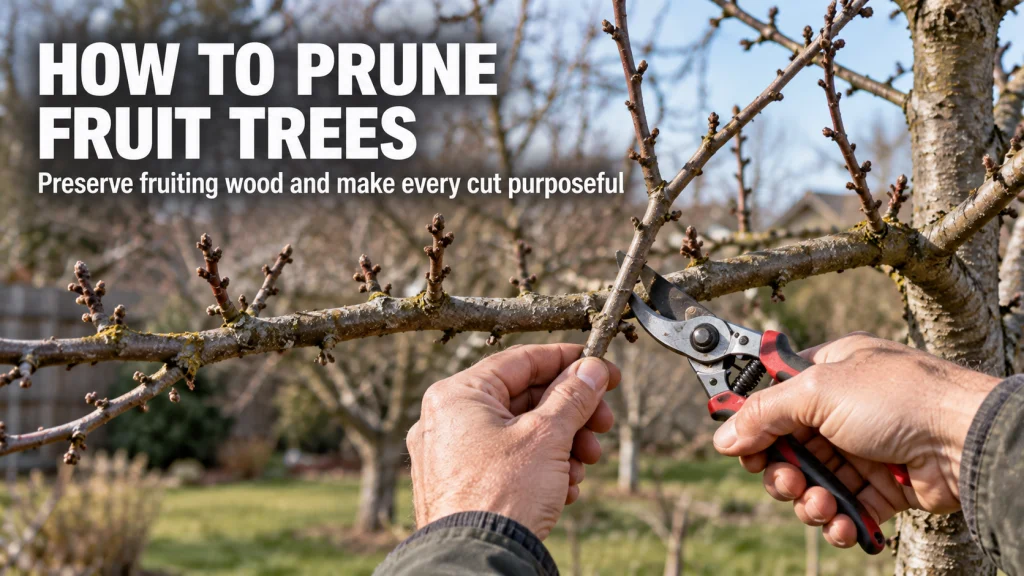
Pruning a home fruit tree is not just a matter of making the canopy smaller. The useful first step is to identify the tree, understand where it carries fruiting wood, and then remove obvious problems before changing permanent structure. Different fruit trees respond differently to heading, thinning, and timing, so a single cutting pattern does