Measure first when you draw a garden plan
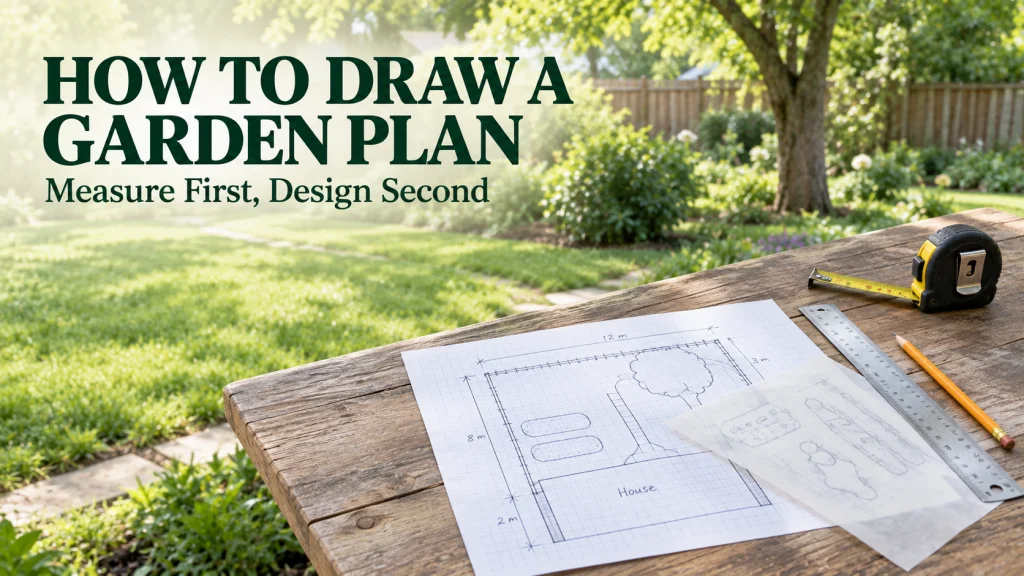
How To Draw A Garden Plan

A useful garden plan starts with measurements, fixed reference points, and a base map that reflects the space you actually have. The goal is not artistic perfection, but a dependable drawing that shows boundaries, buildings, trees, paths, and other features before planting ideas are added. Irregular edges can be handled with repeatable measurements, while a
Pruning tools: let the stem decide how much tool you need

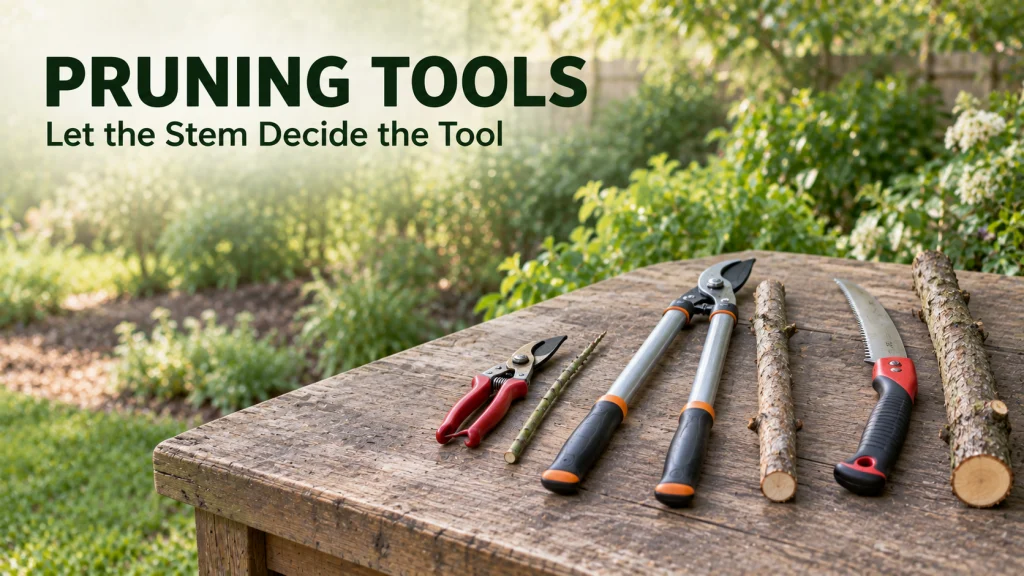
Pruning Tools

Pruning tools make more sense when the cut comes first and the tool comes second. Stem material, branch thickness, reach, and the amount of control you need usually matter more than handle length or an impressive feature list. Hand pruners cover small controlled cuts, loppers add leverage and reach, pruning saws take over when a

Lawn mowing: set height and frequency from the grass, not the weekend

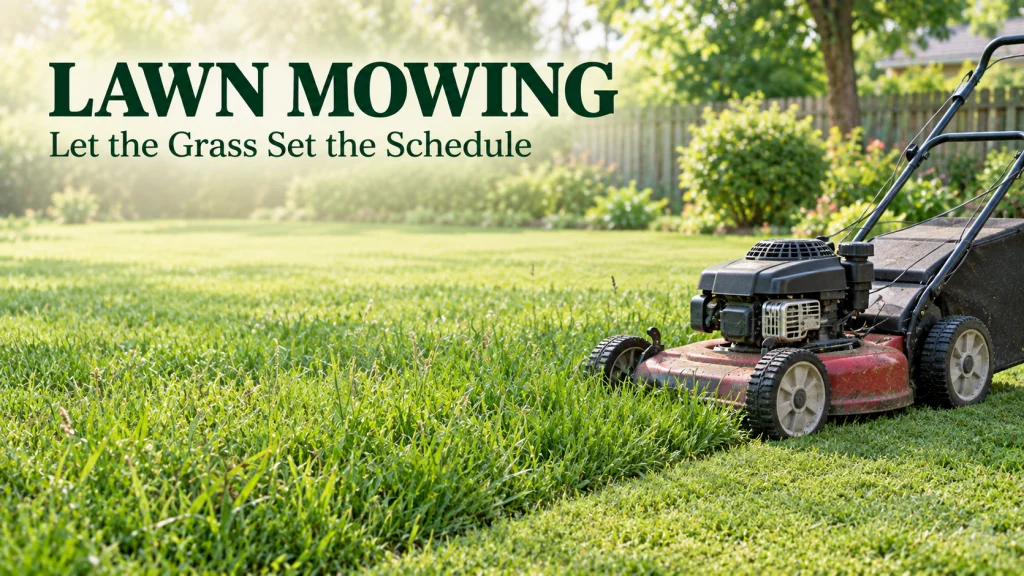
Lawn Mowing

Lawn mowing works better when the grass sets the schedule instead of the calendar. The right cutting height depends on turf type, while mowing frequency changes with growth rate, moisture, heat, drought stress, and the condition of the lawn. A practical routine is to identify the grass, choose a defensible height range, and mow often

Pruning plants: choose the cut before you choose the calendar

Pruning Plants

Pruning plants is easier when you decide what the branch is doing before deciding when to cut it. A dead branch, vigorous shoot, flowering stem, and storm-broken limb can require different responses. The useful sequence is purpose first, cut type second, timing third, with disease risk and safety checked before wood is removed. That approach

How often should I water my garden? Stop scheduling before you check the soil

How Often Should I Water My Garden

Garden watering frequency works better as a check-and-adjust routine than as a fixed calendar. Soil moisture, recent rainfall, soil texture, mulch, root depth, plant establishment, and current weather all change how soon a garden needs water again. A useful starting schedule should therefore tell you when to check the soil, not automatically when to turn

Soil testing starts with the decision you need the lab to support

Soil Testing

Soil testing is most useful when it answers a decision you actually need to make, not when it is treated as a routine box to check. A gardener deciding whether to add an amendment needs a different kind of answer from someone who already has a laboratory report in hand. The useful path is to

Seed starting is a scheduling and setup problem before it is a sowing problem

Seed Starting

Seed starting works best when the start method, timing, and room conditions are decided before trays, lights, or other equipment are purchased. The useful first choice is whether a seed should be started indoors, sown directly where it will grow, or handled through a winter sowing approach. From there, the packet, the outdoor planting window,

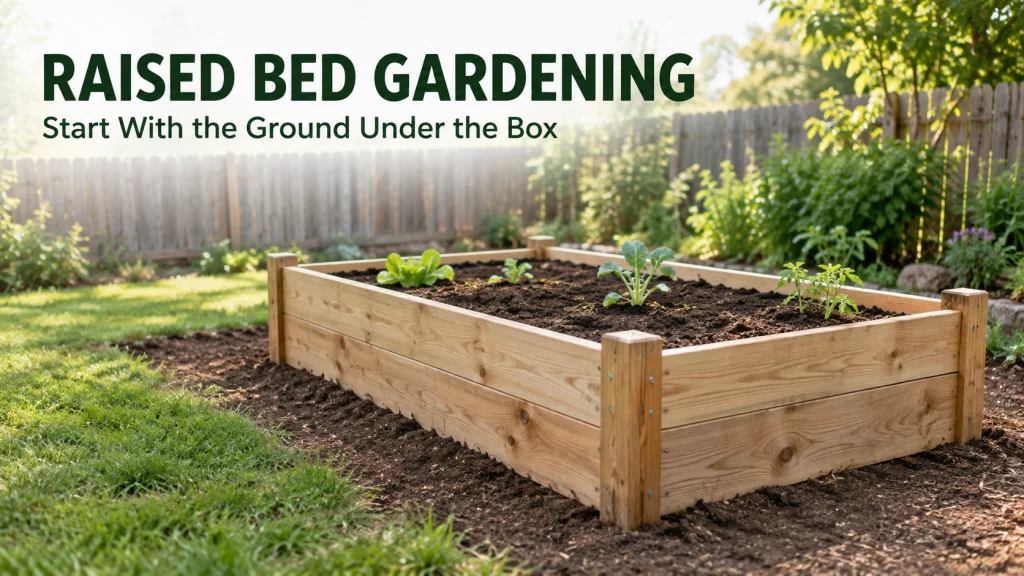
Raised bed gardening starts with the ground under the box

Raised Bed Gardening

Raised bed gardening works best when the bed is chosen from the site upward, not from a catalog size downward. The ground below the frame, the distance you can comfortably reach, the crops you plan to grow, and the amount of soil you need all change what a sensible bed looks like. An open-bottom bed

Annual flowers work best when the season fits the plant

Annual Flower Gardening

Annual flower gardening works better when plant choice starts with site, season, mature habit, and recurring care instead of flower color alone. A plant that looks perfect on a garden center bench can struggle if its preferred temperature range, light exposure, moisture pattern, or maintenance needs do not match the bed at home. The useful

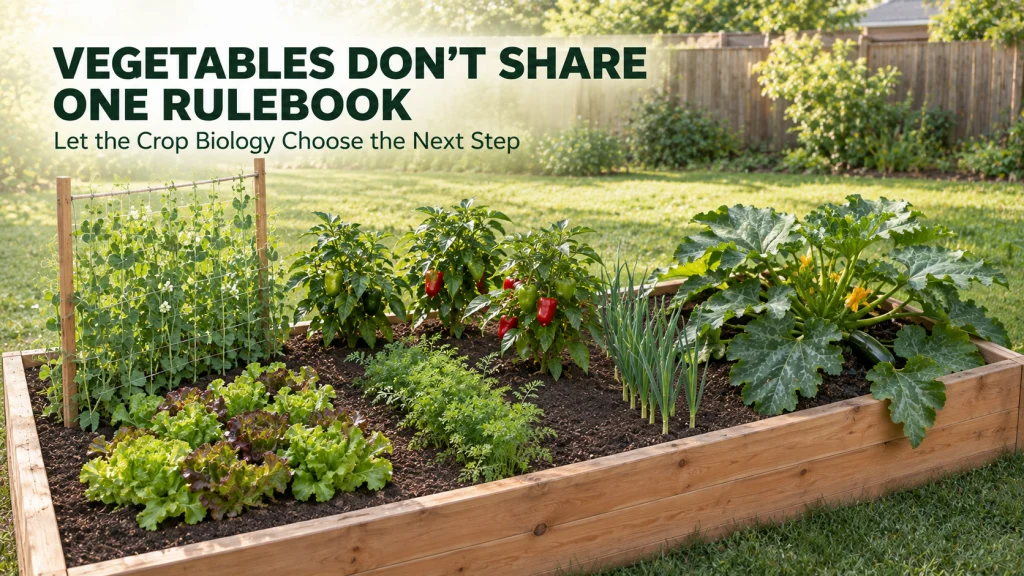
Vegetable gardening begins where the generic garden checklist ends

Vegetable Gardening

Vegetable gardening becomes easier to manage once you stop treating every crop as if it follows the same instructions. Sort each crop by season, establishment method, mature habit, and harvest pattern, then move to guidance that matches that biology. Roots, leaves, legumes, fruiting crops, and long-season vegetables can share one bed while demanding different decisions.

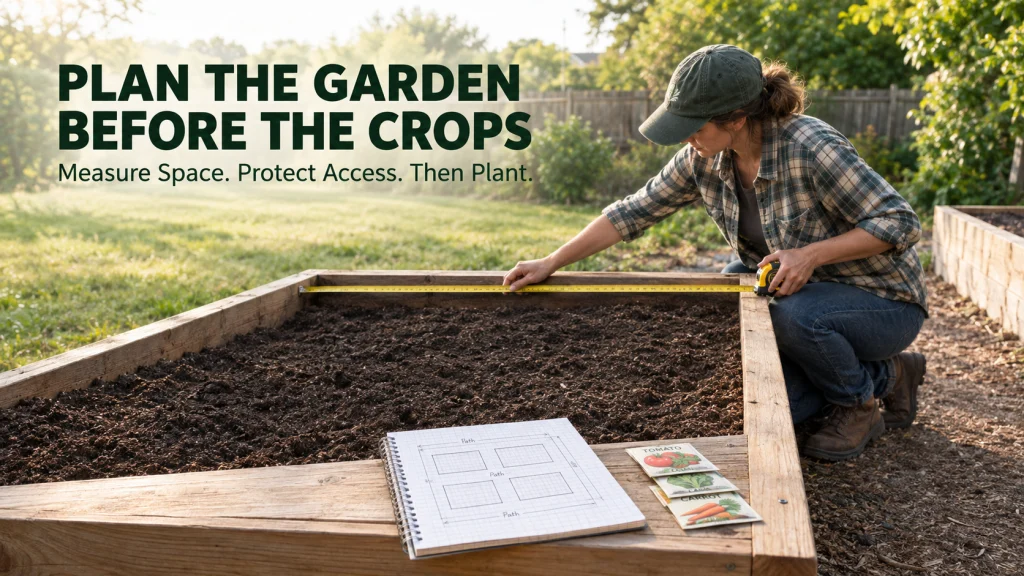
Garden planning that makes the space earn its place

Garden Planning

A useful garden plan starts with fixed facts about the space, then adds crops, timing, spacing, access, and workload in that order. The goal is not to make every seed packet fit, but to make the garden workable through planting, maintenance, harvest, and seasonal change. Local climate, crop requirements, soil conditions, and the amount of

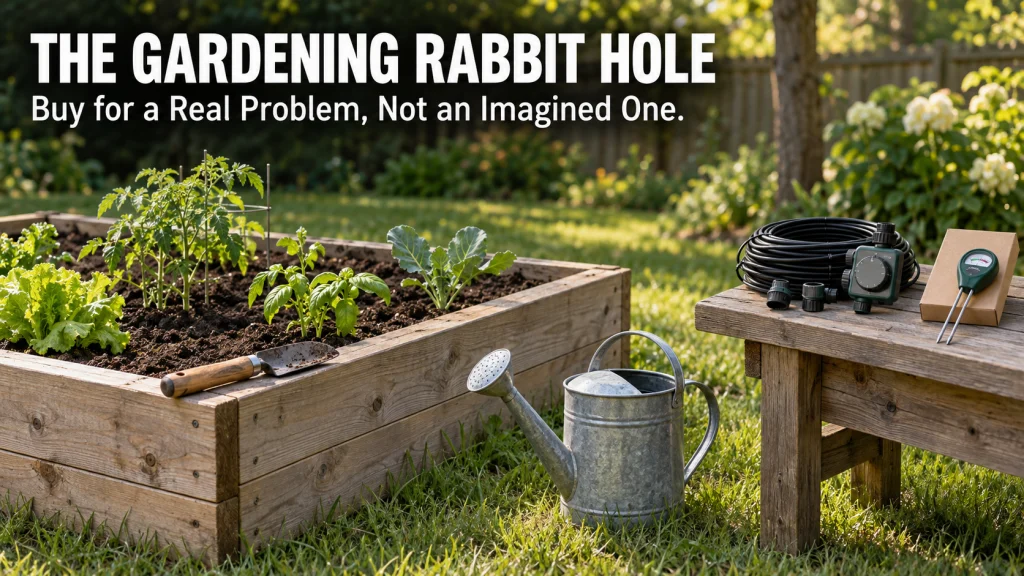
The gardening rabbit hole starts when every problem looks like it needs a product

Gardening Rabbit Hole

A useful garden setup can become complicated long before the plants or the site actually demand it. The better question is not whether another tool, amendment, bed accessory, or watering part could help, but whether it solves a constraint you can already name. A simple setup is not incomplete just because more specialized options exist.

A 4×8 raised bed is not one product: current dimensions and soil capacity compared

4X8 Raised Bed Dimensions

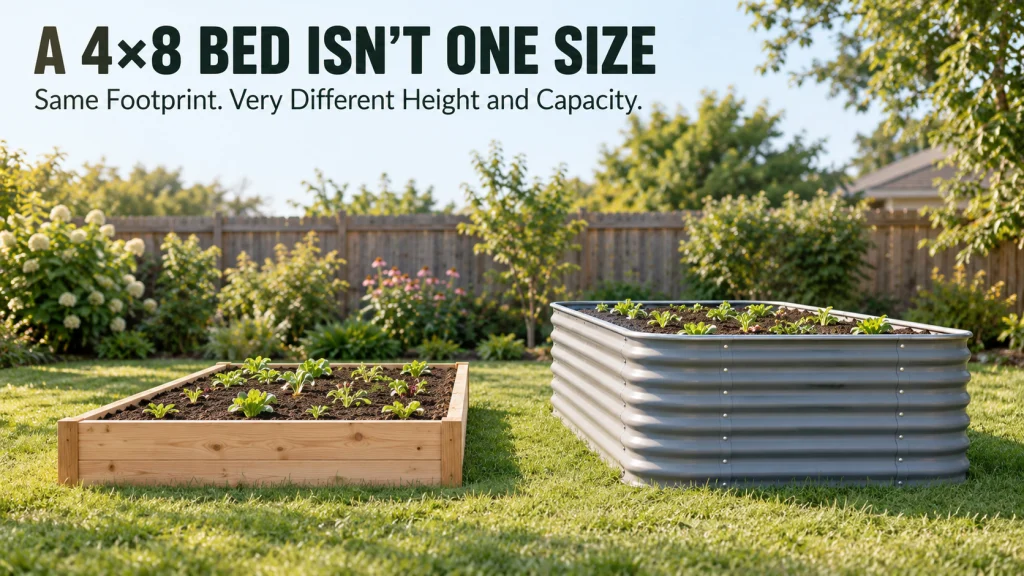
A 4×8 label tells you the nominal footprint, but it does not tell you the bed height, wall construction, configuration, or published fill capacity. In a current same-footprint sample, published capacity ranges from 28 cubic feet for a 10.5-inch cedar bed to 69 cubic feet for a 26-inch modular metal configuration. That difference matters when

A ‘lifetime’ garden tool warranty can cover very different things

Garden Tool Warranty

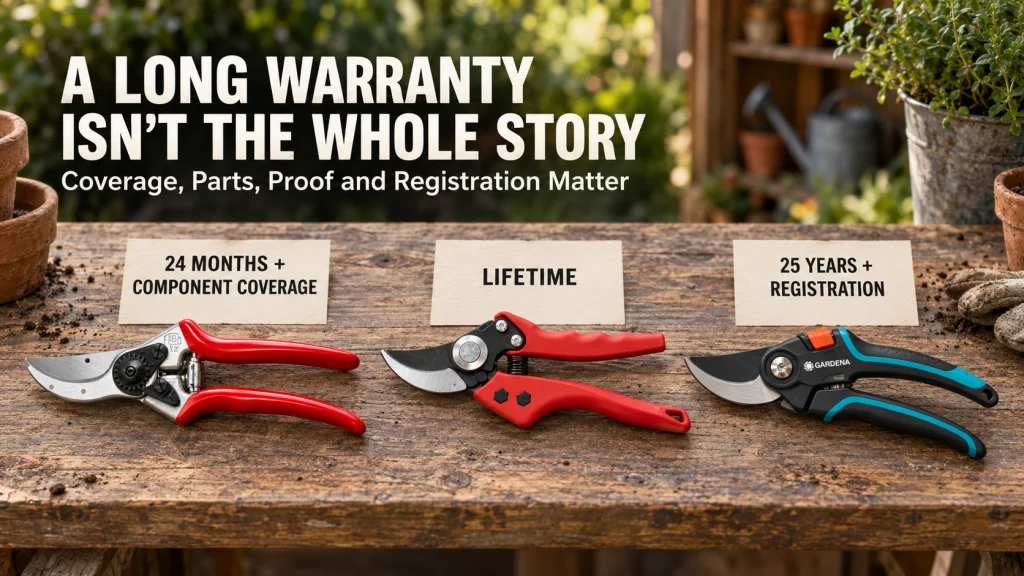
A garden tool warranty can sound generous while covering a much narrower set of failures than the headline suggests. In the current U.S. sample below, lifetime, 25-year, and 24-month language changes meaning once you separate the tool body from wear parts, registration, proof of purchase, seller restrictions, and claim remedies. The useful comparison is not

Same 50-foot label, very different load: a current garden hose weight dataset

Garden Hose Weight

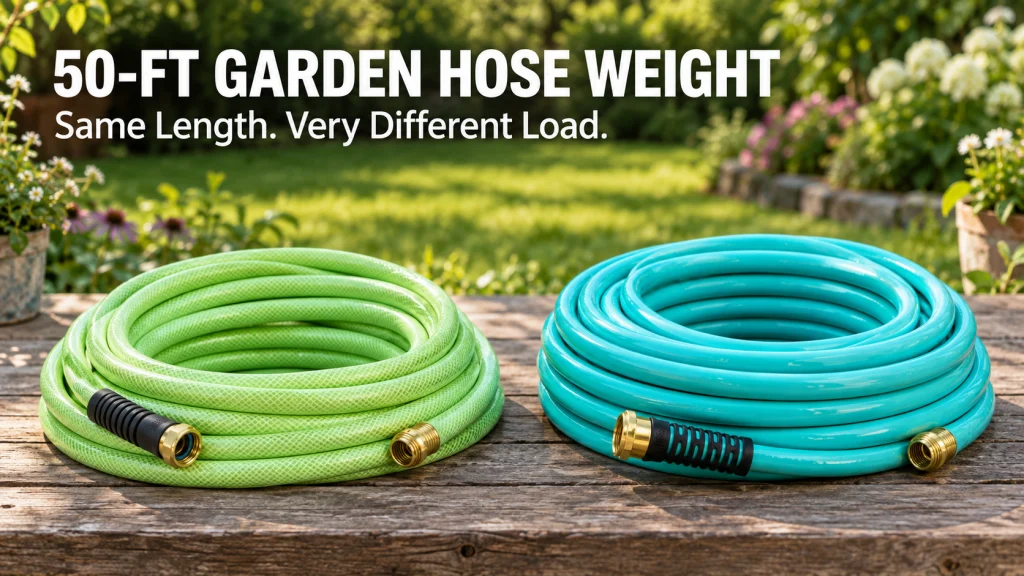
A 50-foot label tells you reach, but it does not tell you how much hose you will actually drag, lift, or coil. In this frozen sample of current manufacturer-published specifications, manufacturer-published 50-foot product weights vary sharply. Diameter and construction matter, and manufacturer disclosure is not equally precise about what the listed weight includes. The practical

I compared what seed packets actually tell you before you plant

What Seed Packets Actually Tell You Before You Plant

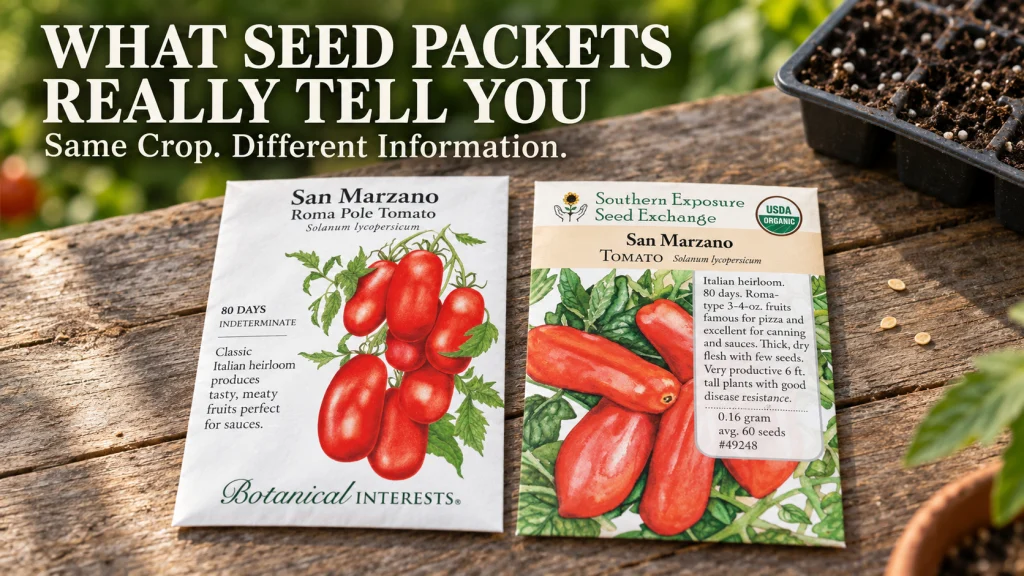
I compared the disclosure fields shown for San Marzano type tomatoes and Genovese type basils across five U.S. seed companies, keeping packet evidence separate from information that appears only on official product pages. The strongest pattern was not that one company told gardeners everything and another told them nothing, but that the same useful field