Watering garden in hot weather: Check sooner before adding gallons
Watering Garden In Hot Weather

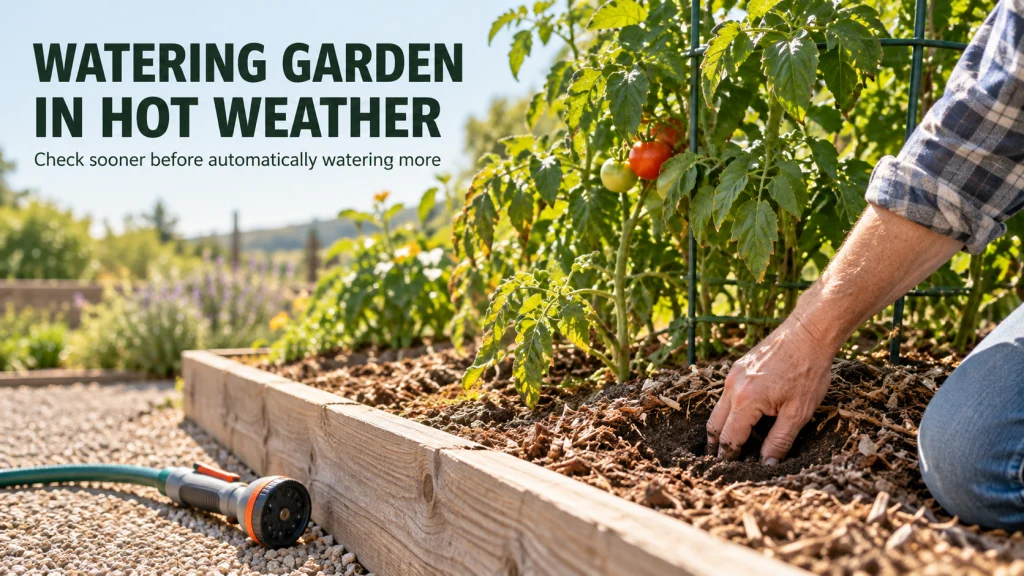
Hot weather can increase water loss, but it does not make every garden automatically due for another irrigation cycle. The useful change is to check root-zone moisture sooner, then adjust frequency, delivery, and protection only where conditions show that water is being used or lost faster. In-ground beds, containers, newly established plants, wind exposure, mulch,
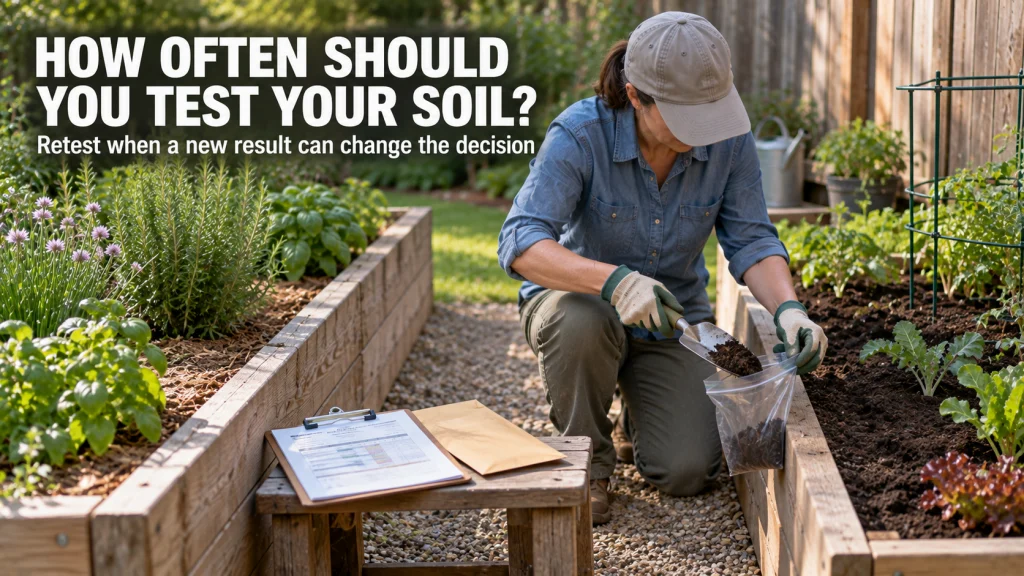
How often should you test your soil? Retest when the answer can change

How Often Should You Test Your Soil

Soil does not need to be retested simply because another gardening season has arrived. A useful retest schedule starts with the last reliable result, then changes according to soil texture, management intensity, major amendments, and whether a fresh number would change what you do next. Extension guidance gives reasonable baseline intervals, but those ranges are

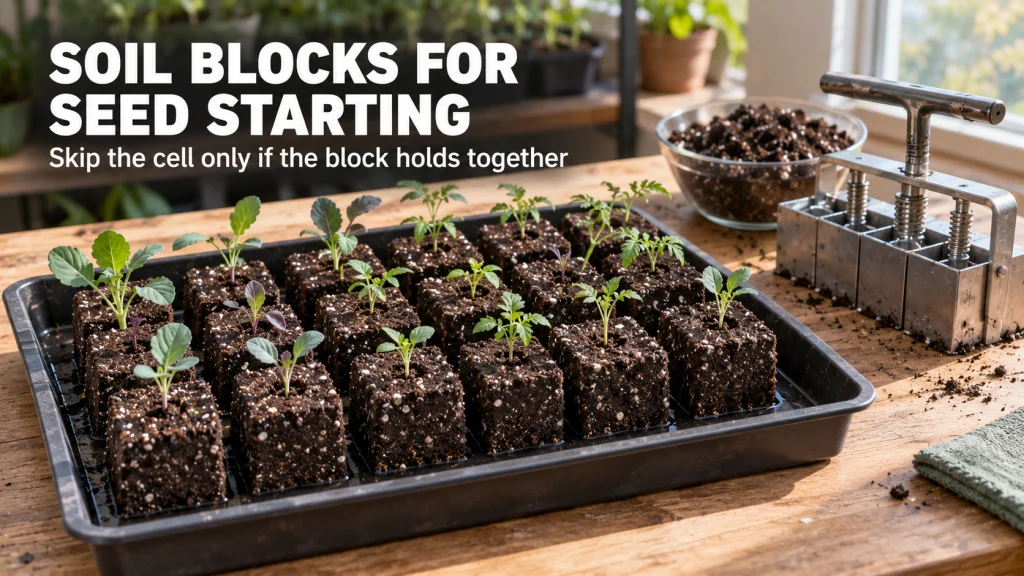
Soil blocks for seed starting: Skip the cell only if the block holds together

Soil Blocks For Seed Starting

Soil blocks replace individual seedling cells with compressed growing medium, but they do not remove the need for a stable mix, a rigid tray, careful watering, and a realistic transplant schedule. They fit best when reducing disposable cells or avoiding root circling matters enough to justify a different workflow. The useful question is not whether

How wide should a raised garden bed be? Let reach decide before lumber length

How Wide Should A Raised Garden Bed Be

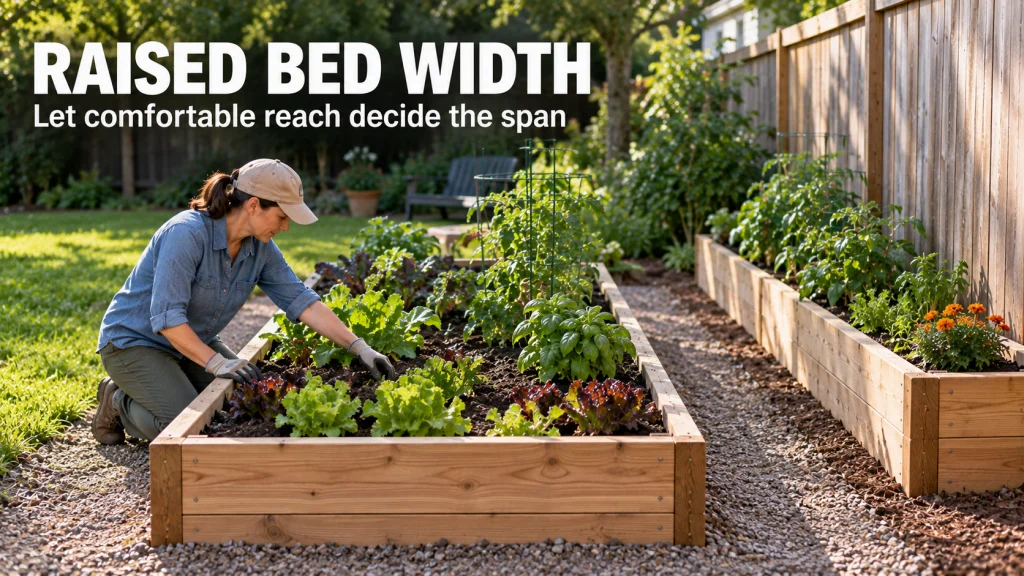
How wide should a raised garden bed be? Start with the number of sides you can actually work from, then choose a width that keeps the center within comfortable reach without stepping into the growing area. A bed that works from two sides can usually be wider than the same bed placed against a wall

Cool season annuals fill the gap before and after summer

Cool Season Annuals

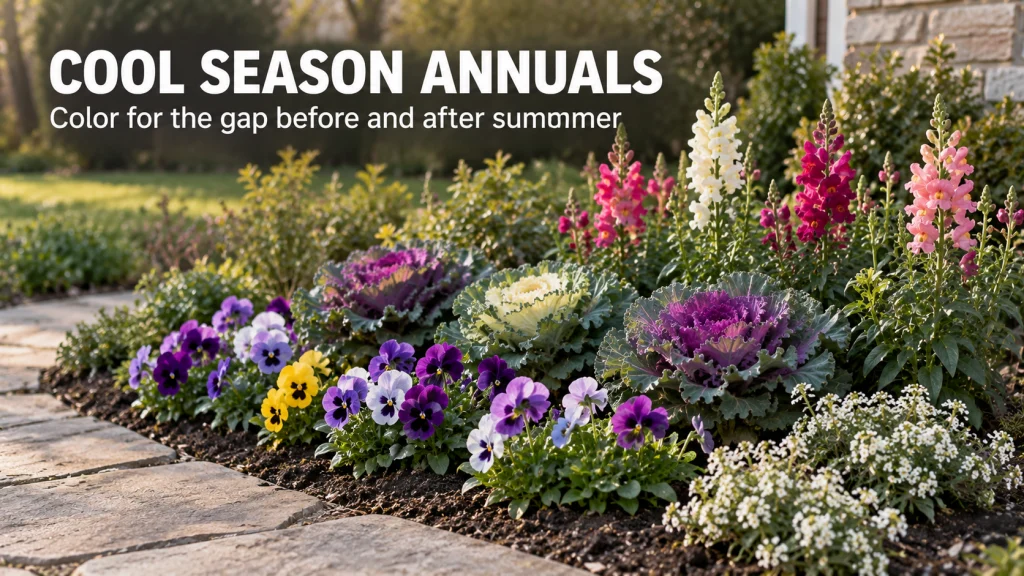
Cool-season annuals are most useful as a bridge between the coldest part of the year and the stretch of weather that favors summer flowers. The right planting window depends on the plant, local frost risk, heat buildup, site exposure, and whether the transplant is ready for outdoor conditions. A plant that tolerates a light frost

The harvest is not finished yet: curing sweet potatoes

Curing Sweet Potatoes

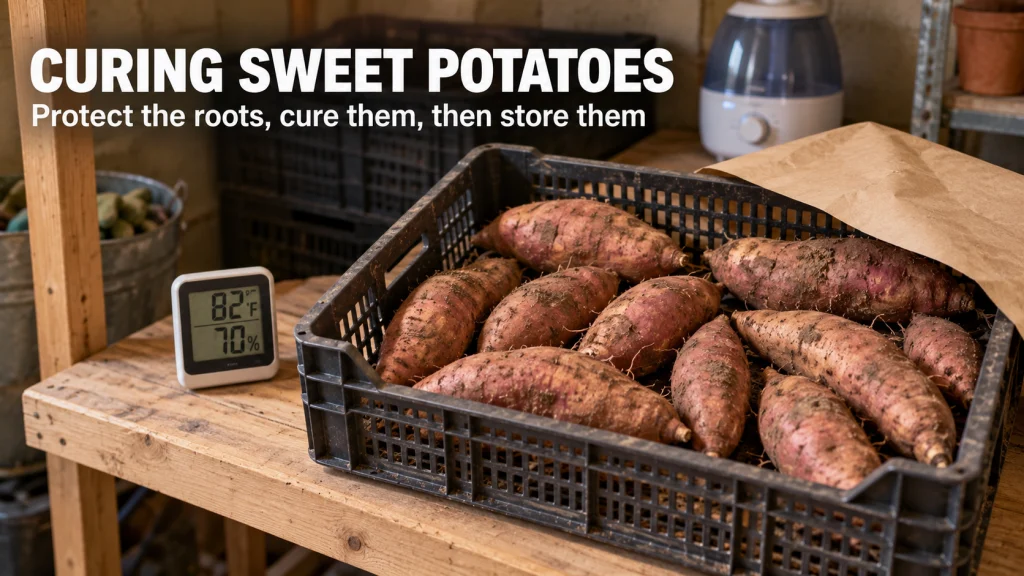
Curing sweet potatoes is the post-harvest step that helps sound roots heal minor harvest wounds and develop better storage quality before they are moved to cooler conditions. The key is to handle freshly dug roots gently, keep them warm and humid with ventilation for the curing period, and avoid treating curing and storage as the

The air is warm. Is the ground? Soil temperature for planting

Soil Temperature For Planting

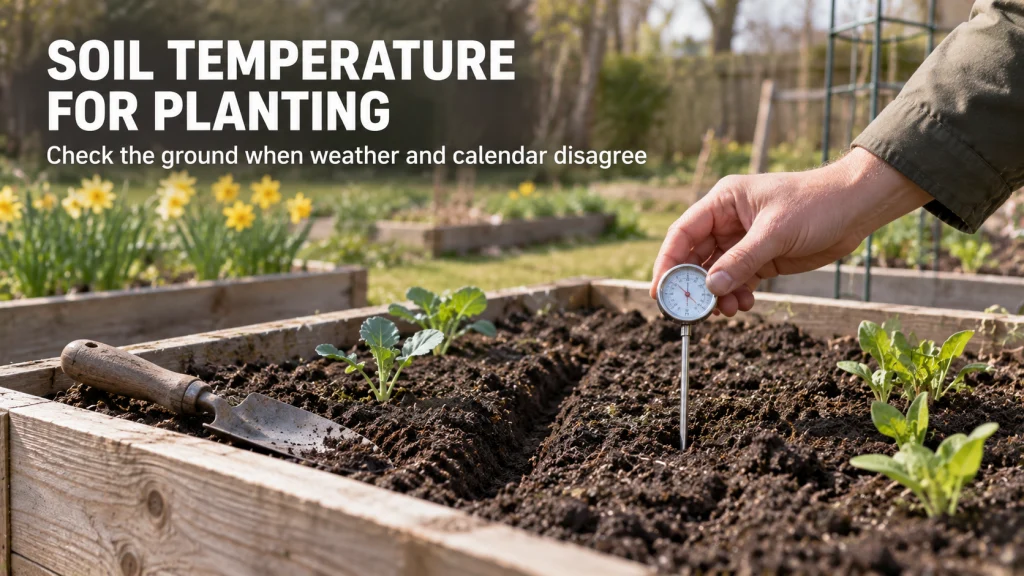
Soil temperature for planting is useful when the calendar, the forecast, and the ground are giving you different signals. Warm air can arrive while the root zone is still cool, so a planting decision should account for where a seed or transplant will actually meet the soil. The practical approach is to measure at a

A wheelbarrow is useful only if it fits the route

Wheelbarrow

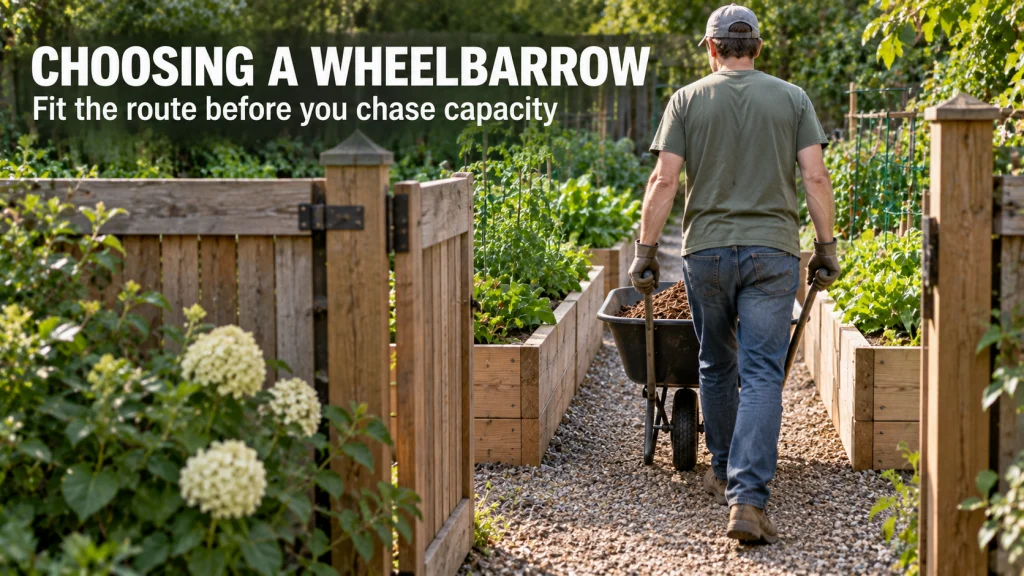
A wheelbarrow should be chosen around the route and the recurring load, not around the largest tray number on the label. Narrow gates, tight turns, side slopes, soft ground, unloading height, and storage space can all make a high-capacity hauler harder to use than a smaller one. Start by mapping where the load must travel,

Mowing during drought: know when brown grass needs less cutting, not more

Mowing During Drought

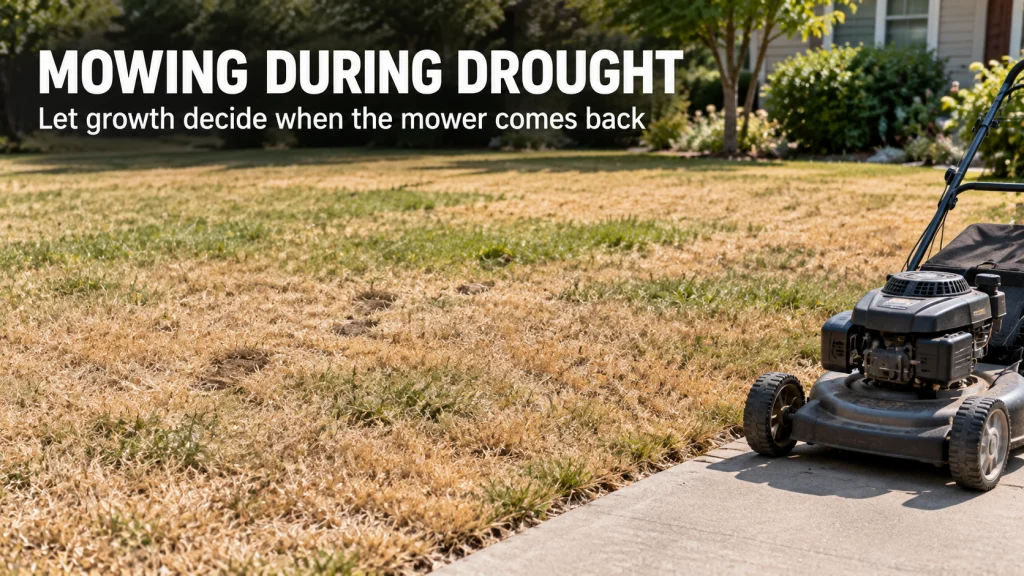
Mowing during drought should follow grass growth, not the calendar or the color of the lawn. Brown turf may be dormant, stressed, damaged, or simply uneven, so the first job is to check whether the grass is still producing enough new leaf to need cutting. When growth has paused, repeated mowing adds wheel and foot

Summer pruning: use it for a specific growth problem, not as a second winter

Summer Pruning

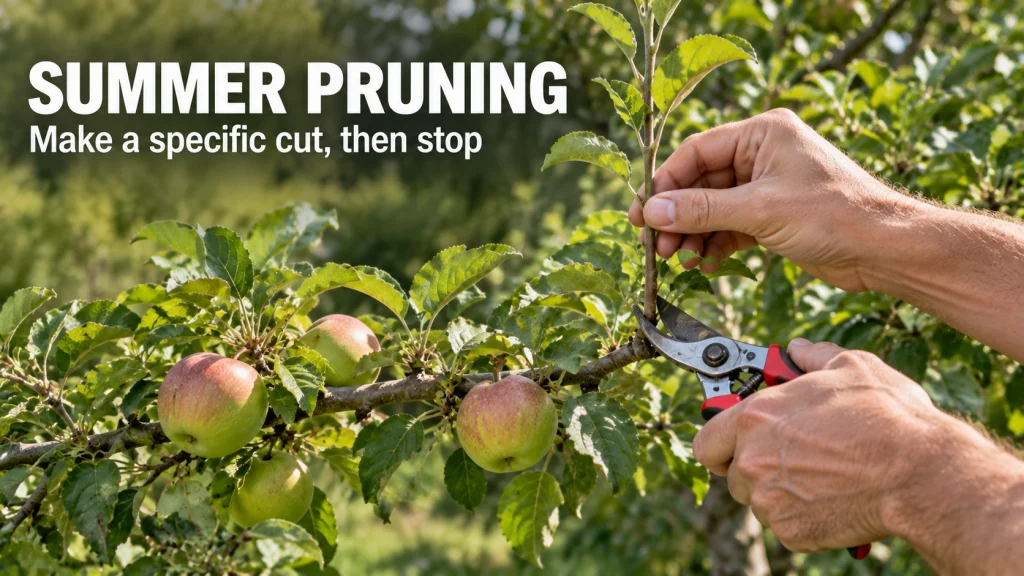
Summer pruning is most useful when an actively growing woody plant has a specific problem that can be corrected with a limited cut. The leaves make crowding, shade, water sprouts, suckers, and interfering shoots easier to see, but that same active canopy is also supporting the plant through heat, drought, flowering, and fruit development. The

If the root zone is still dry, it wasn’t deep watering

Deep Watering

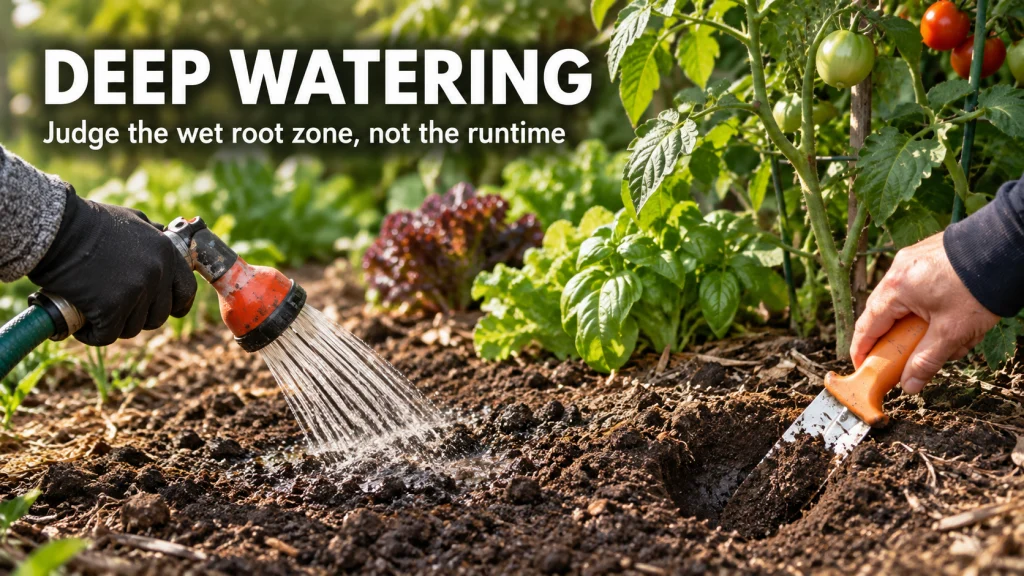
Deep watering means getting moisture through the soil volume that the plant is actually using, not simply leaving a hose on for a long session. A wet surface can hide dry soil below when water is applied faster than the ground can absorb it, when coverage misses part of the root zone, or when the

Soil test kit vs lab: match test rigor to the cost of being wrong

Soil Test Kit Vs Lab

A home soil test and a laboratory test can both be useful, but they solve different levels of decision. The practical choice is to match the test to what you plan to do with the result, how much detail the decision requires, and how costly an incorrect or incomplete reading would be. Home testing can

Seed starting containers: choose the cell for the transplant plan

Seed Starting Containers

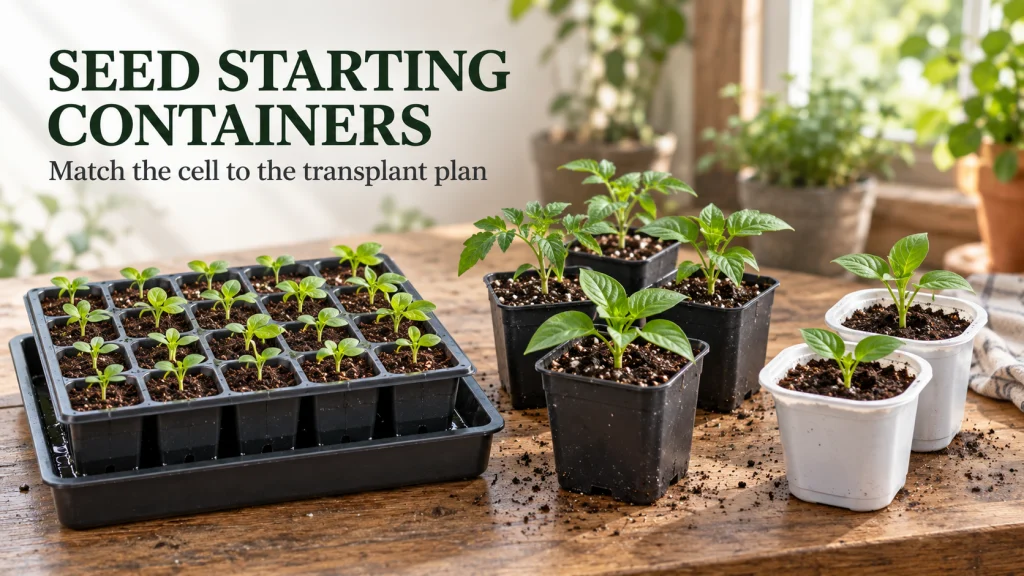
Seed starting containers work best when the container fits the seedling’s planned indoor stay instead of simply fitting the largest number of seeds. Drainage comes first, then cell volume, watering access, cleaning, storage, and how easily the seedling can leave the container without unnecessary root disturbance. Small cells can be efficient when seedlings move on

How deep should a raised garden bed be? Count the soil below it too

How Deep Should A Raised Garden Bed Be

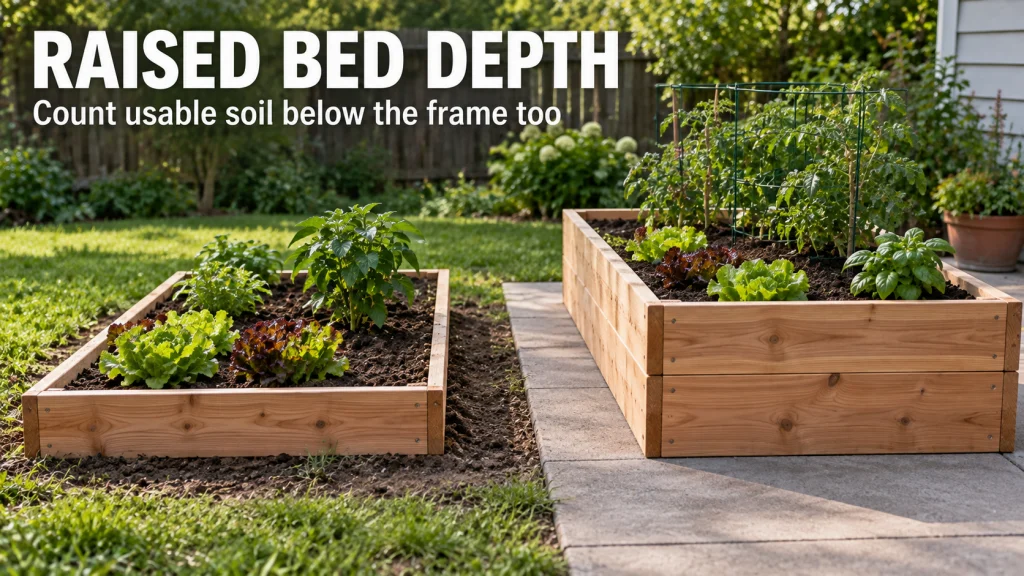
Raised bed depth is not just the height of the frame. An open-bottom bed over healthy, loosened soil may give roots usable space below the boards, while a bed on concrete or another hard surface must provide its full root zone inside the bed. Crop needs, the condition of the soil underneath, room left for